The M/V Hondius was built exclusively for cruises in Antarctica and the Arctic. She is one of the strongest ice-strengthened vessels currently cruising in the polar regions.
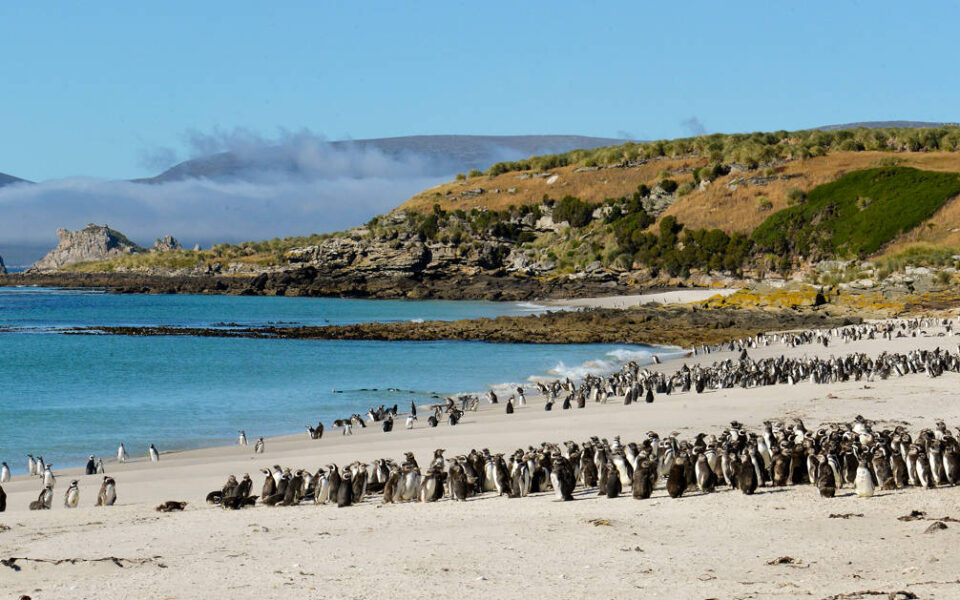 Photo by: Werner Thiele
South Georgia & Polar Circle Wildlife Cruise
This comprehensive Antarctica voyage aboard 170-guest Hondius is an animal-lover's dream come true. Experience the famed wildlife of the Falklands and South Georgia, a unique visit to Elephant Island and South Orkney Islands, and an attempt to reach the polar circle.
Feb
Mar
FROM
$17,050
USD
PER PERSON
/
This 23-day Falkland Islands, South Georgia and Antarctic Peninsula cruise aboard 170-guest ship Hondius is an animal-lover’s dream come true. The expedition explores one of the last untamed areas on Earth–a land of ruggedly beautiful landscapes and amazingly varied wildlife. Enjoy included photography and videography workshops along the way, to ensure a return with documentation of the lifelong memories forged on this small ship expedition.
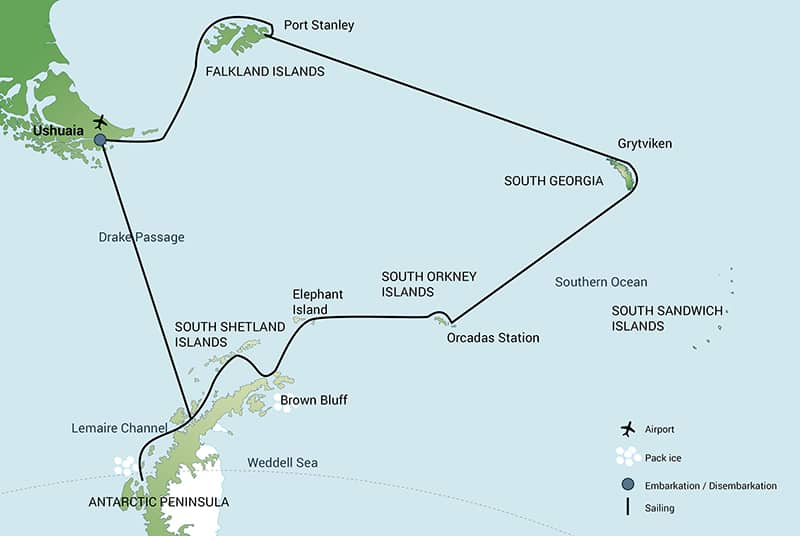
Experience a large slice of Antarctic wildlife and history on this comprehensive Antarctica voyage, cruising first to the Falkland Islands and South Georgia before heading to the Antarctic Peninsula and South Shetland Islands with unique stops at the South Orkney Islands and Elephant Island along the way. Shackleton history comes alive at Elephant Island, where his men were marooned for months awaiting rescue, as well as South Georgia Island, where Shackleton finally found help and is commemorated. Before returning via the Drake Passage, finish the itinerary by cruising along the Antarctic Peninsula and make an attempt to cross the Polar Circle, venturing farther south than most Antarctic travelers.
Passage is aboard Hondius, a 170-guest, purpose-built polar expedition ship that combines performance, safety and stability with superior comfort and class. The ships feature forward-thinking core technology that pairs guests with an efficient, sustainability-focused polar small ship, ensuring this 23-day voyage helps protect the wildlife and landscapes it features.
Read on for details about this trip, or learn more about AdventureSmith’s Antarctica cruises, including other Antarctic Circle cruises and South Georgia cruises.
Falkland Islands, South Georgia, Elephant Island, Antarctica & Polar Circle Itinerary
Ushuaia, ArgentinaUshuaia, Argentina
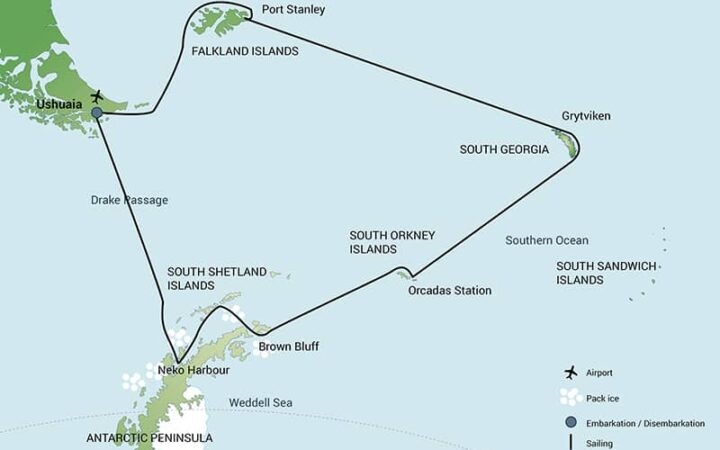
The South Georgia & Polar Circle Wildlife Cruise operates round-trip from Ushuaia, Argentina, featuring a plethora of wildlife along the Falkland Islands, South Georgia Island, the South Orkney Islands, Elephant Island, the South Shetland Islands and the Antarctic Peninsula with an attempt to reach the Polar Circle.
In the afternoon, embark in the small resort town of Ushuaia, Tierra del Fuego, Argentina, the southernmost city in the world, nicknamed “The End of the World.” Sail the mountain-fringed Beagle Channel for the remainder of the evening.
Entering the westerlies, the ship is followed by several species of storm petrels, shearwaters and diving petrels.
The Falkland Islands offer an abundance of wildlife that is easily approachable, though caution is always advised. These islands are largely unknown gems, the site of a 1982 war between the UK and Argentina. Not only do various species of bird live here, but chances are great you’ll see both Peale’s dolphins and Commerson’s dolphins in the surrounding waters.
During this segment of the voyage, you may visit the following sites:
Westpoint Island
This beautiful island hosts a bounty of birdlife, from shore birds near the landing site to black-browed albatrosses on the nest. Among them is a rookery of rockhopper penguins who have to undertake an incredible climb from the sea to get to their nests among the albatrosses.
Saunders Island
On Saunders Island you can see the black-browed albatross and its sometimes-clumsy landings, along with breeding imperial shags and rockhopper penguins. king penguins, Magellanic penguins and gentoos are also found here.
The capital of the Falklands and center of its culture, Port Stanley has some Victorian-era charm: colorful houses, well-tended gardens and English-style pubs are all to be found here. You can also see several century-old clipper ships nearby, silent witnesses to the hardships of 19th century sailors. The small but interesting museum is also worth a visit, covering the early days of settlement up to the Falklands War. Approximately 2,100 people live in Port Stanley. Admission to the museum is included.
En route to South Georgia, cross the Antarctic Convergence. Entering Antarctic waters, the temperature may drop significantly in the time span of only a few hours. Near the Convergence there may be sightings of a multitude of southern seabirds near the ship, including several species of albatross, shearwaters, petrels, prions and skuas.
Today you arrive at the first South Georgia activity site. Please keep in mind that weather conditions in this area can be challenging, largely dictating the program. Over the next several days, you have a chance to visit the following sites:
Fortuna Bay
A beautiful outwash plain from Fortuna Glacier is home to a large number of king penguins and seals. Here you may also have the chance to follow the final leg of Shackleton’s route to the abandoned whaling village of Stromness. This path cuts across the mountain pass beyond Shackleton’s Waterfall, and as the terrain is partly swampy, be prepared to cross a few small streams.
Salisbury Plain, St. Andrews Bay, Gold Harbor
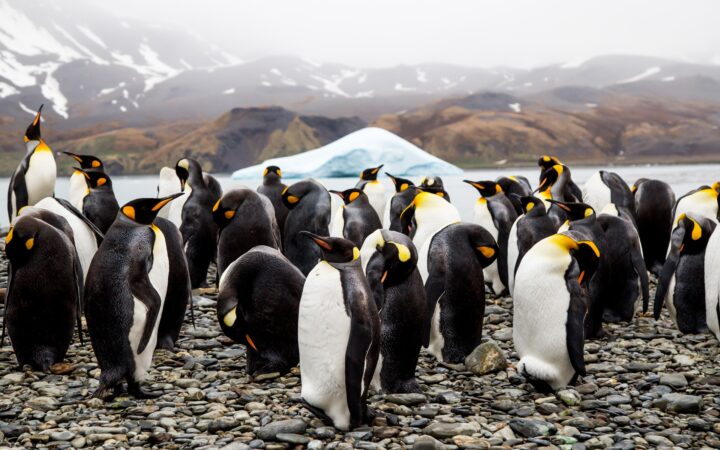
These sites not only house the three largest king penguin colonies in South Georgia, they’re also three of the world’s largest breeding beaches for Antarctic fur seals. Literarily millions breed on South Georgia during December and January. By February the young fur seals are curious and playful and fill the surf with life and fun and large elephant seals come to the beaches to moult.
Grytviken
In this abandoned whaling station, king penguins walk the streets and elephant seals lie around like they own the place–because they basically do. Here you might be able to see the South Georgia Museum as well as Shackleton’s grave.
In the afternoon of Day 10 and depending on the conditions, we will start sailing southwards in the direction of the South Orkney Islands.
There may be sea ice on this route, and at the edge of the ice some south polar skuas and snow petrels could join the other seabirds trailing the vessel south.
Depending on the conditions, you might visit Orcadas Base, an Argentine scientific station on Laurie Island in the South Orkney archipelago. The personnel here will happily show you their facility, where you can enjoy expansive views of the surrounding glaciers. If a visit isn’t possible, you may instead land in Coronation Island’s Shingle Cove.
The ship has now completed roughly the same route (albeit in the opposite direction) as Sir Ernest Shackleton did using only a small life boat, the James Caird, in spring of 1916. Watching Elephant Island materialize on the horizon after crossing all that water, it’s hard not to marvel at how he and his five-man crew accomplished that feat. The purpose of Shackleton’s crossing was to rescue 22 shipwrecked members of his Imperial Trans-Antarctic Expedition, also known as the Endurance Expedition, who were stranded on Elephant Island. For four and a half months, Shackleton undertook this legendary rescue.
Conditions on Elephant Island are severe. The coastline is mostly made up of vertical rock and ice cliffs highly exposed to the elements. Weather permitting, take the Zodiacs to Point Wild, where the marooned members of Shackleton’s expedition miraculously managed to survive.
If ice permits, cruise into the Antarctic Sound at the northwestern edge of the Weddell Sea. Here colossal tabular icebergs herald the ship’s arrival to the eastern edges of the Antarctic Peninsula. Brown Bluff is a potential location for a landing, where there may be the chance to set foot on the continent.
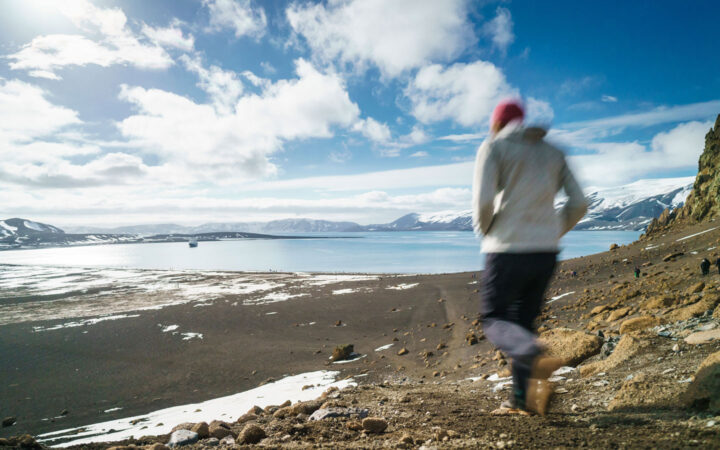
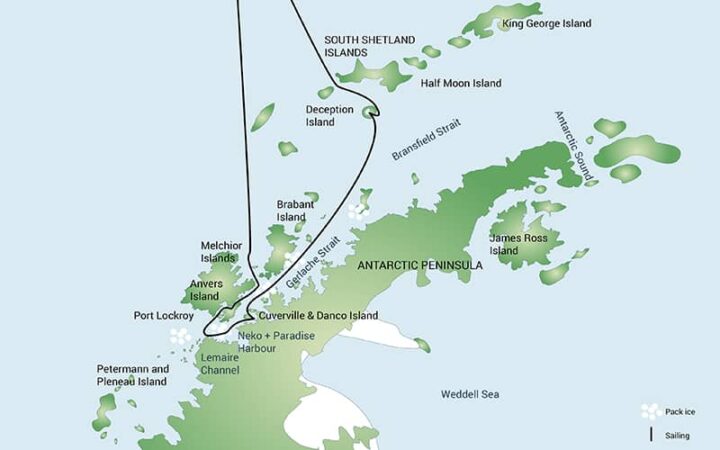
The volcanic islands of the South Shetlands are windswept and often cloaked in mist, but they do offer subtle pleasures: a variety of flora (mosses, lichens, flowering grasses) and no small amount of fauna (gentoo penguins, chinstrap penguins, southern giant petrels). In Deception Island, the ship plunges through Neptune’s Bellows and into the flooded caldera. Here, find hot springs, an abandoned whaling station and thousands of cape petrels; along with kelp gulls, brown and south polar skuas, and Antarctic terns. A good hike is a possibility in this fascinating and desolate volcanic landscape.
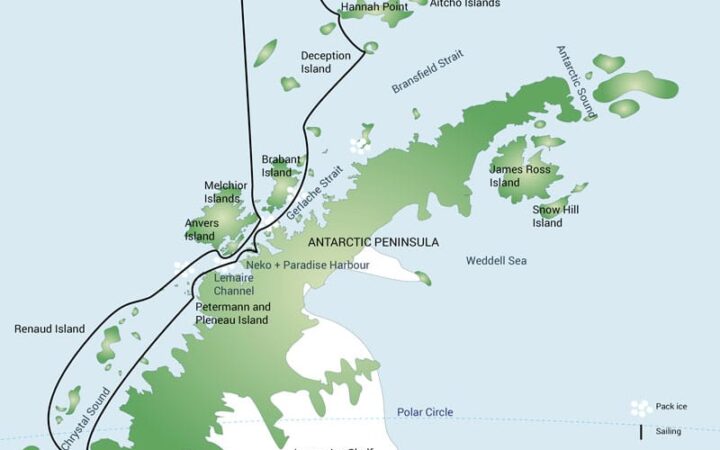
Gray stone peaks sketched with snow, towers of broken blue-white ice, and unique polar wildlife below and above welcome the ship into the otherworldly expanse of Antarctica. Enter the area around Gerlache Strait, venturing into one of the most beautiful settings Antarctica has to offer.
Sites you may visit here include:
Neko Harbor
An epic landscape of mammoth glaciers and endless wind-carved snow, Neko Harbor offers opportunities for a Zodiac cruise and landing that afford the closest views of the surrounding alpine peaks.
Paradise Bay
You may be able to take a Zodiac cruise in these sprawling, ice-flecked waters, where there’s a good chance you’ll encounter humpback and minke whales.
The aim is then to head south. If conditions allow, sites you can visit ‘over’ the polar circle include:
Crystal Sound
Your journey takes you south along the Argentine Islands to this ice-packed body of water, and from here across the Polar Circle in the morning.
Detaille Island
You may make a landing at an abandoned British research station here, taking in the island’s lofty mountains and imposing glaciers.
Pourquoi Pas Island
You might circumnavigate this island, named after the ship of the famous French explorer Jean-Baptiste Charcot. This location is known for its tight fjords and lofty, glacier-crowded mountains.
Horseshoe Island
This is the location of the former British Base Y, a remnant of the 1950s that is now unmanned though still equipped with almost all the technology it had while in service.
As with all Antarctic trips, conditions on the Drake Passage determine the exact time of departure.
Your return voyage is far from lonely. While crossing the Drake, you’re again greeted by the vast array of seabirds remembered from the passage south. But they seem a little more familiar to you now, and you to them.
Every adventure, no matter how grand, must eventually come to an end. It’s now time to disembark in Ushuaia, but with memories that will accompany you wherever your next adventure lies.
Included
Voyage aboard the indicated vessel as indicated in the itinerary; all meals throughout the voyage aboard the ship including snacks, coffee and tea; all shore excursions and activities throughout the voyage by Zodiac; program of lectures by noted naturalists and leadership by experienced expedition staff; free use of rubber boots and snowshoes; luggage transfer from pick-up point to the vessel on the day of embarkation; pre-scheduled group transfer from the vessel to the airport in Ushuaia (directly after disembarkation); all miscellaneous service taxes and port charges throughout the program; comprehensive pre-departure material; basic WiFi up to 1.5GB per 24 hours (additional data available for purchase on board).
Exclusions
Any airfare whether on scheduled or charter flights; pre- and post-land arrangements; transfers to the vessel; passport and visa expenses; government arrival and departure taxes; meals ashore; baggage and cancellation insurance; personal insurance (mandatory); optional activities; excess baggage charges and all items of a personal nature such as laundry, bar, beverage charges and telecommunication charges; customary gratuity at the end of the voyages for stewards and other service personnel aboard; fuel surcharge (your Adventure Specialist will provide details).
Payment & Cancellation
In order to confirm this trip, a deposit of 20% of the total trip cost is required per person at time of booking. The balance of the trip price is due 90 days before the departure date. Special holiday payment and cancellation terms may apply. Guests who must cancel their trip for any reason must do so in writing. Standard cancellations are subject to the following per-person penalties, based on number of days prior to departure:
Up to 90 days – 100% of deposit
89 to 60 days – 50% of total trip cost
59 to 0 days – 100% of total trip cost
Terms & Conditions
This trip is subject to AdventureSmith Explorations Terms and Conditions. Please read this information carefully and call us if you have any questions. A Traveler Information Form, which includes a release of liability, must be completed and signed by all travelers. Your Adventure Specialist will send you a unique link to complete this form along with a packing list and extensive pre-departure and travel insurance information upon booking confirmation.
Arrival & Departure
The South Georgia & Polar Circle Wildlife Cruise begins and ends in Ushuaia, Argentina (USH). Embarkation time is between 4:00-5:00pm on day of departure. We strongly advise all passengers to arrive the night prior to departure and get a hotel in Ushuaia to avoid baggage and flight delays. The ship sails around 6:00pm on day of departure. Disembarkation is after breakfast on final day between 8:30-9:00am. Plan flights to depart Ushuaia anytime after noon on the final day. If you would like assistance with international flights, please visit our Booking Flights resource page.
Activities
Various optional activities may be available on the South Georgia & Polar Circle Wildlife Cruise. Per-person prices: polar diving $2,100 (2027-28 season). Hiking and photography are included. Please note: there are no additional-fee activities planned for this trip’s departures during the 2026-27 seasons.
Room Configuration
Single travelers wishing to book a double-occupancy cabin may do so at 1.7x the per-person Twin or Superior listed rates. Single travelers wishing to book on a “sharing basis” may do so at no additional cost in Twin, Triple or Quadruple categories upon availability.
Families & Children
Upon request, children under 16 years old traveling with parents may receive 40% discount in Grand Suite, Superior, Triple (sharing with 2 parents/adults) and Quadruple Cabins (sharing with 3 parents/adults). Some voyages may be excluded.
Travel Insurance
Emergency medical evacuation insurance is mandatory for this trip, with a minimum recommended coverage of $100,000 per person. Trip cancellation insurance is optional but highly recommended. Our partners at Travelex Insurance offer a variety of plans and policies to fit every trip and budget. For best value and coverage for pre-existing medical conditions, consider purchasing a policy at time of booking. Learn more about travel insurance or get a free quote.
Itinerary Notes
Read this itinerary as a guide only; the exact route and program varies according to ice, weather conditions, wildlife encountered and the captain’s discretion. Flexibility is the key to the success of any Antarctica expedition. Visits to research stations depend on final permission.
Loading rates & dates…
No upcoming departures available at this time.
Sort
No departures match your filters.
USD
Per Person
Per Person
Hondius is a 170-passenger expedition ship, built exclusively for polar cruises. The 350-foot vessel is the first to be built to ice class LR PC6, making her one of the strongest ice-strengthened vessels in the polar regions. Her name honors cartographer Henricus Hondius (Amsterdam 1597–1651) and his father Jodocus Hondius (Wakken, Belgium 1563–Amsterdam 1612).
Why Sail Aboard Hondius
Choose the Hondius as your true basecamp for active adventure and modern-minded explorers, with activities that include hiking trips, kayaking, overnight field camping, astronomy workshops, birding and even scuba diving. This modern ship pairs strength, high-tech stabilizers, the utmost in safety standards and two main engines with a combined 4,200kW of power that generate a speed of 15 knots. The vessel was built by Croatia shipbuilder Brodosplit. Hondius is a stunning addition to the current fleet of expedition ships operating in polar waters. This fast and flexible ship is designed to respond to fluctuating polar conditions and adapt quickly.
Like her predecessor ships Plancius and Ortelius, Hondius is primarily defined by an exploratory educational travel program, with guests spending as much time ashore as possible. Uniquely the Hondius boasts special interactive workshops, captivating exhibitions and vibrant performances on board as well as on land.
AdventureSmith Explorations has been aboard the MV Hondius firsthand. Read our dedicated MV Hondius review or consult this page further for a detailed description of Hondius including her competitively priced cabins and high quality. Then contact our polar cruise experts to compare the Hondius with other Antarctica ships and small cruise ships sailing Antarctica cruises and Arctic cruises including cruises to Greenland.
Safety & Sustainability Aboard Hondius
Built to LR PC6, similar to the previous Finnish-Swedish ice-class notation “1A-Super,” Hondius meets the latest and highest demands of Lloyd’s Register for “Polar Class 6” vessels, the highest Polar Class notation for ice-strengthened vessels. She is also built according to the latest requirements of the International Maritime Organization (IMO), in particular concerning the safety of the life at sea (SOLAS) and the prevention of pollution from ships (MARPOL) for passenger vessels. Hondius is also equipped with IcySea, a software providing near-real-time ice information to ensure safe navigation.
The protection of the environment is of major importance and efforts extend from construction to sailing. The propulsion system consists of two medium-speed main engines and one adjustable pitch propeller. The flexible power management (in combination with a shaft generator instead of operating a diesel-driven generator) permits the lowest possible fuel consumption and CO2 emission and therefore a minimum possible impact on the environment.
Further efforts to protect the environment include the use of biodegradable lubrication oils and hazardous-free coating and paint, avoiding the use of toxic/hazardous materials during the vessel's construction. Also she employs steam for heating purposes on board while keeping electrical heating at a minimum, equips interior and exterior lighting with LED lights which reduces 60% of power compared with conventional lighting and reuses waste heat (such as cooling water for the main engines) for the production of fresh water. Additional existing requirements and restrictions, while at sea and in the polar regions, will be strictly followed.
Common Areas & Amenities Aboard Hondius
The vessel offers a deluxe standard and at the same time a distinctive, cozy and informal atmosphere. An entire deck, Deck 5, on board is reserved for an observation lounge and a separate lecture room in order to offer simultaneous or multi-language lectures and presentations. There are computers in the lecture room for photo sharing so it can be helpful to bring a USB stick to save shareable images. The Observation Lounge hosts most gatherings, and also offers activities in between, such as boardgames.
A separate library creates opportunities to relax and learn while aboard. Between the large viewing windows and the multiple external viewing decks, viewing wildlife and epic landscapes is easily possible. An infirmary and gear room are available just a few steps from the Zodiac launching area. Smoking in designated areas only. Hondius features numerous outdoor spaces, including an open-air 8th deck popular with walkers. Bench seating is found in many of these al fresco spaces.
Refreshments from the fully provisioned bar and souvenirs will be charged to each cabin. Bills may be settled the day before departure with the Hotel Manager and paid by credit card (Visa or MasterCard) or cash (euro or US dollar). The prices and standard currency on board Hondius is the euro. Other currencies may be accepted at the discretion of the Hotel Manager at prevailing rates.
Hondius offers complimentary internet access via a voucher for a daily allowance of 1.5GB of internet activity, which resets every 24 hours. Additional internet data is available via supplementary vouchers which may be purchased on board. Additionally, laundry is available for a small fee.
Dining Aboard Hondius
In addition to satisfying the intellect and soul through her powerful experiences, the Hondius sets out to satisfy gastronomically. Breakfast and lunch are buffet style (hot and cold) while dinner is a four-course meal (selected at lunch each day) with meat, fish and vegetarian options. Menus are international with both comfort foods and fresh healthy options, and special diets can often be accommodated with advance notice.
The dining room's walls of windows ensure travelers won't miss any wildlife sightings. Seating is unassigned and the atmosphere is casual, with options of 2-tops, cozy booths and even 12-guest high-top tables. The dining room and all of Hondius's other common areas foster a sense of conviviality, community, togetherness and enjoyment thanks to her cozy and friendly atmosphere.
Between meals, guests can still access fruit, bread and assorted snacks. Coffee, tea and water are included, however alcohol and soft drinks are additional. A self-serve espresso, coffee, tea and hot chocolate machine is available around the clock, and daily happy hour can be enjoyed in the Observation Lounge (complete with a wine-dispensing machine).
Crew & Guides Aboard Hondius
While cruising, 76 crew and staff members (including a doctor, expedition and hotel staff) are at the passengers’ service. An international team of seasoned polar experts and field guides are assembled to share their enthusiasm and in-depth knowledge through evening recaps, lectures, briefings and field excursions. The science-minded professionals aboard cover major topics like marine biology, geography, geology, glaciology, ornithology and history. When it comes to excursions, the staff have all been trained and qualified in their respective activity. These scientists, lecturers and expedition guides work hard not just for safety but also to highlight all sorts of examples of the unique elements of these intriguing polar regions. Expect an expertly led morning and afternoon excursion of 2-3 hours each (weather depending) while traveling aboard Hondius.
Activities Aboard Hondius
Hondius's philosophy is to keep sea legs short and to focus on fast and effective access to shore and near-shore activities for all nature- and wildlife-minded passengers. Her interactive, experiential and informative activities are designed to engage while on and off the ship. A powerful fleet of 15 Zodiacs guarantees quality outings and swift landing operation for all passengers at the same time. A speedy Zodiac embarkation is enhanced with two separate gangways and in addition, sheltered indoor platforms for easy Zodiac embarkation at water level. During passenger excursions the vessel will be at anchor but Hondius is also very capable to drift and/or to remain at the same position with the support of her bow and stern thrusters. On board, the Hondius treats guests to interactive workshops that explore topics such as photography and videography, astronomy, navigation and botany.
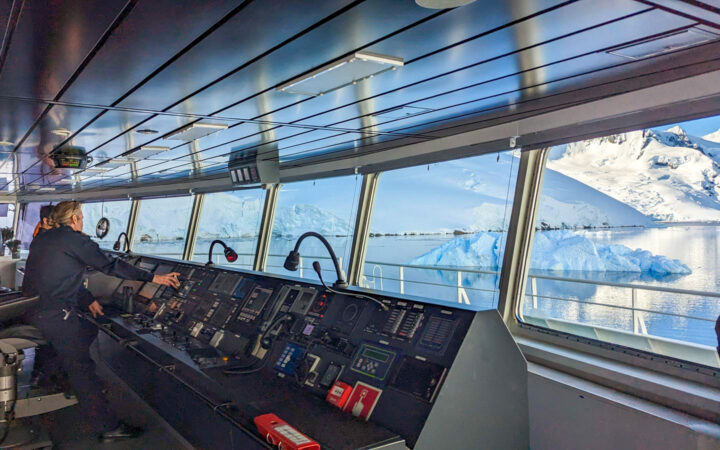
Guests will appreciate the on-loan waterproof muck boots and waterproof dry bags for off-ship excursions, but note that parkas are not provided aboard Hondius (also not provided, but required, are waterproof pants). Travelers should bring their own trekking poles and daypacks if desired, as well as binoculars for use away from the ship-provided ones in the Bridge.
Cabins & Deck Plan Aboard Hondius
Hondius offers accommodations for 170 passengers in 8 cabin categories all with stylish modern mid-century decor. Every one of the 81 cabins offers a private shower and toilet, heated towel rack, flatscreen TV, desk and chair, telephone and WiFi access, hair dryer, cabinet, safe, thermostat and rotating HEPA air purifier. Bedding is fixed in each cabin so cannot be reconfigured. The electrical supply aboard the ship is 220v, 60Hz. A coffee and tea maker is available in Twin Deluxe cabins and above. Electrical outlets are standard European with two thick round pins. A 220v/110v converter may be needed; packing adaptors with USB ports can be helpful as your cabin may not have any.
Learn About the Small Ship on Your Itinerary
Reviews From Our Experts So You Know What To Expect
Expert Review: The South Georgia Expedition Experience
An AdventureSmith expert returns to Antarctica—this time stopping at the wildlife Mecca of South Georgia Island. Learn all about the Island's wildlife, landscape, trip highlights to differences and see if South Georgia should be part of your Antarctica expedition.

Expert Aboard: MV Hondius Review
Join our expert as she crosses the Drake Passage for her tenth time aboard Hondius. Learn what she thinks sets this ship apart from others in the polar regions, plus find more traveler reviews all on this page.

Additional Travel Options Before or After Your Cruise
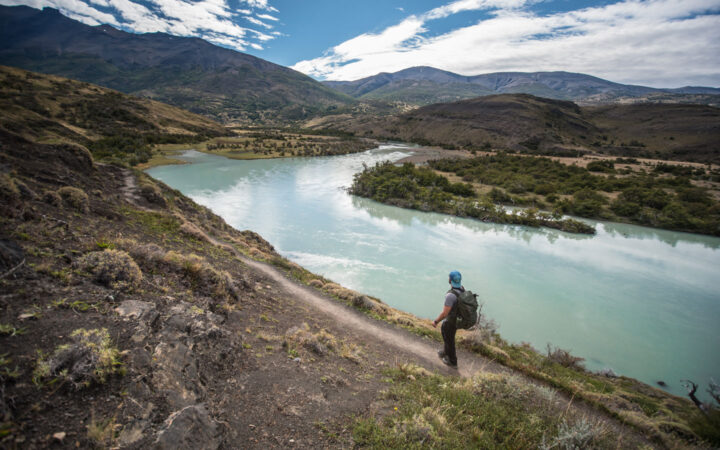
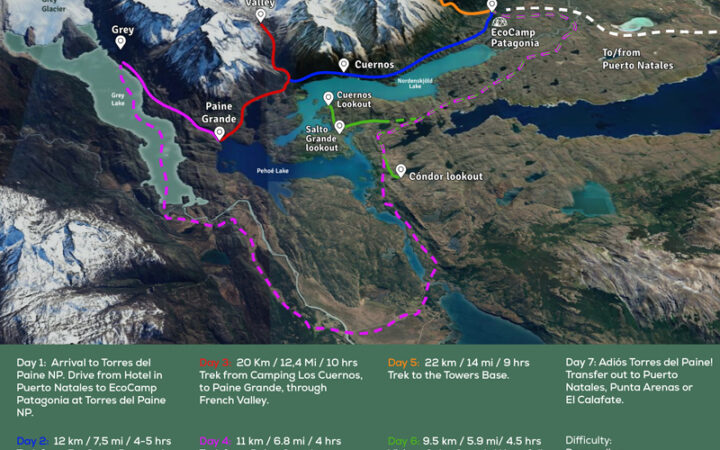
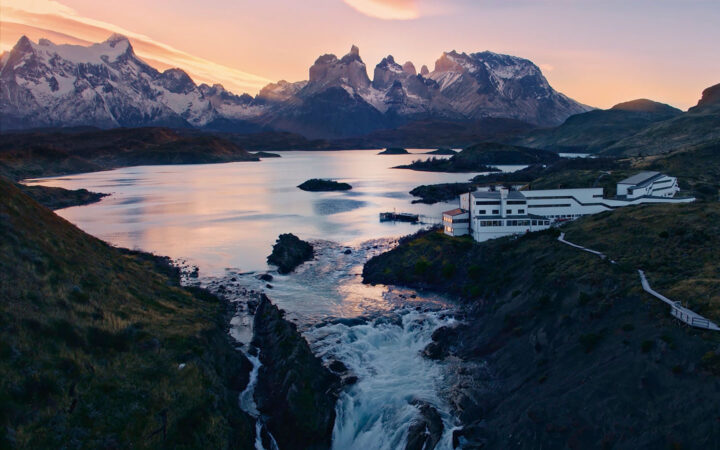
Torres Del Paine Trek
Supported, classic W trek for granite towers, glaciers & backcountry trails
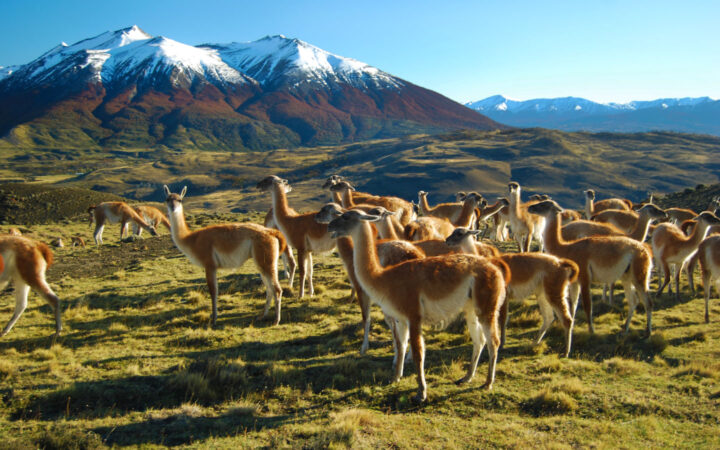
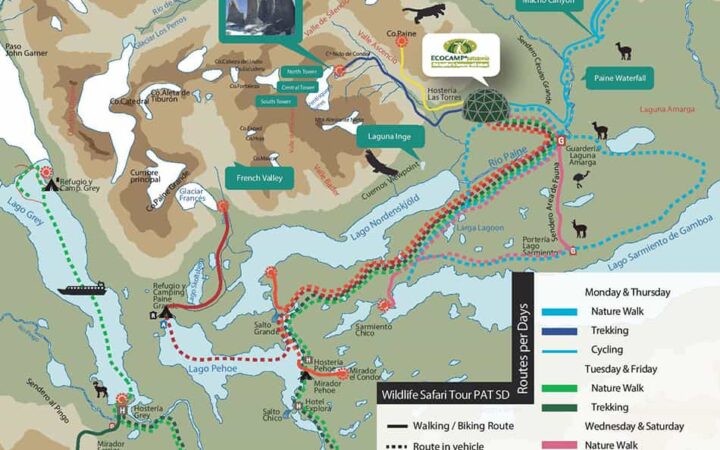
Patagonia Wildlife Safari
Choose your own adventure via smart-value, eco-friendly, geodesic domes
 Save up to 30%
+1
Save up to 30%
+1
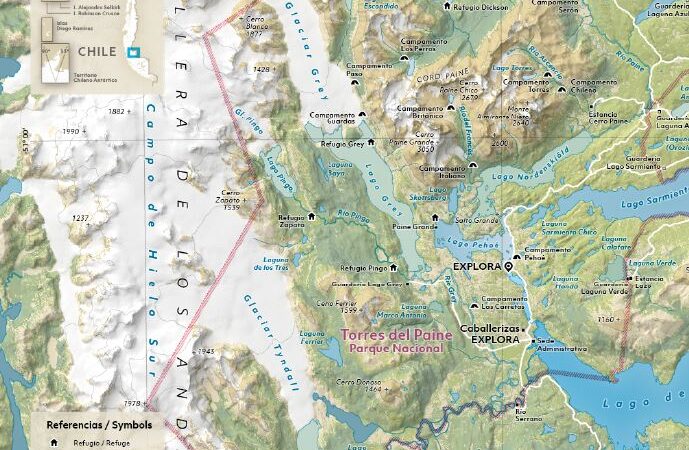
Explora Torres del Paine
Tailor-made adventure via a luxury Patagonia lodge
Planning Your Trip to Antarctica
View All Antarctica Travel Guides-
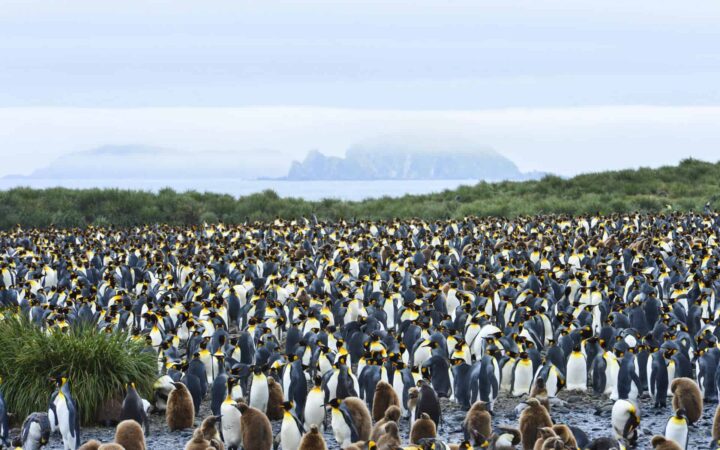
All About South Georgia Antarctica & How to Go
Firsthand insight on why you should add South Georgia to your Antarctic route, how to get there and the best time to go.

-
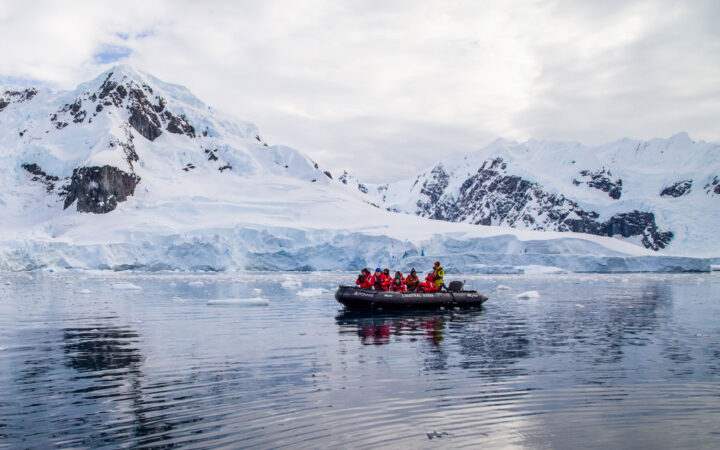
Antarctica Travel Guide
There are more small ships than ever cruising Antarctica with vessels and itinerary options for every style and budget. This up-to-date guide culls the best tips for a comprehensive look at Antarctica travel today.

-
Best Time to Visit Antarctica
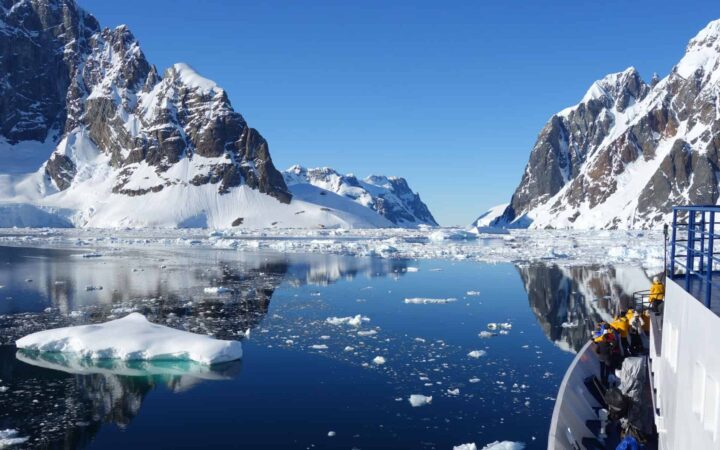
When is the best time to go to Antarctica? On the White Continent, the answer isn’t so black-and-white. Consult this month-by-month list covering everything from penguins to pack ice to help guide your travel timing.
Trips You Might Also Like
View All Antarctica Cruises-
 Save up to 30%
Falklands, South Georgia & Antarctica
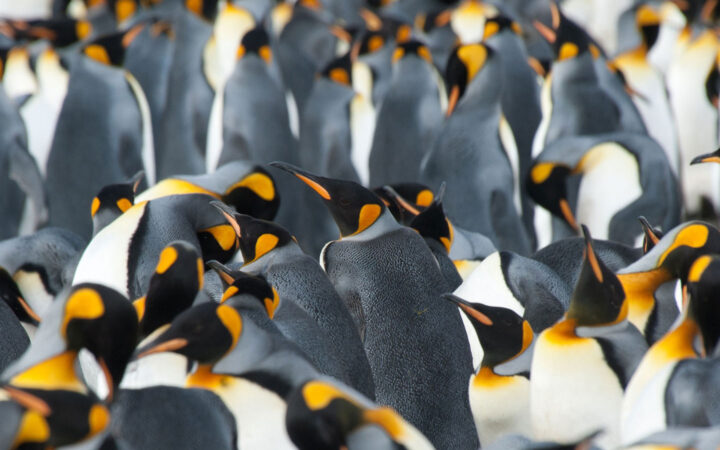
Experience South Georgia’s penguin colonies, with optional snorkeling and diving
-
Polar Circle Cruise
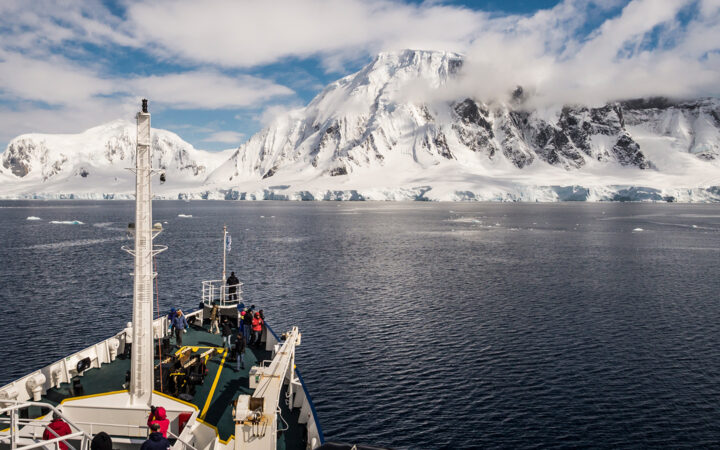
A value-smart, milestone-driven Circle voyage
-
 Save up to 30%
+1
Save up to 30%
+1
Antarctica Discovery & Learning Voyage
A smart-value Peninsula voyage with active options operating all season



Our experts will save you hours.
A single conversation with us is worth hours of internet scrolling. Find your next best trip with ease, then book with the confidence of our 20+ year experience.