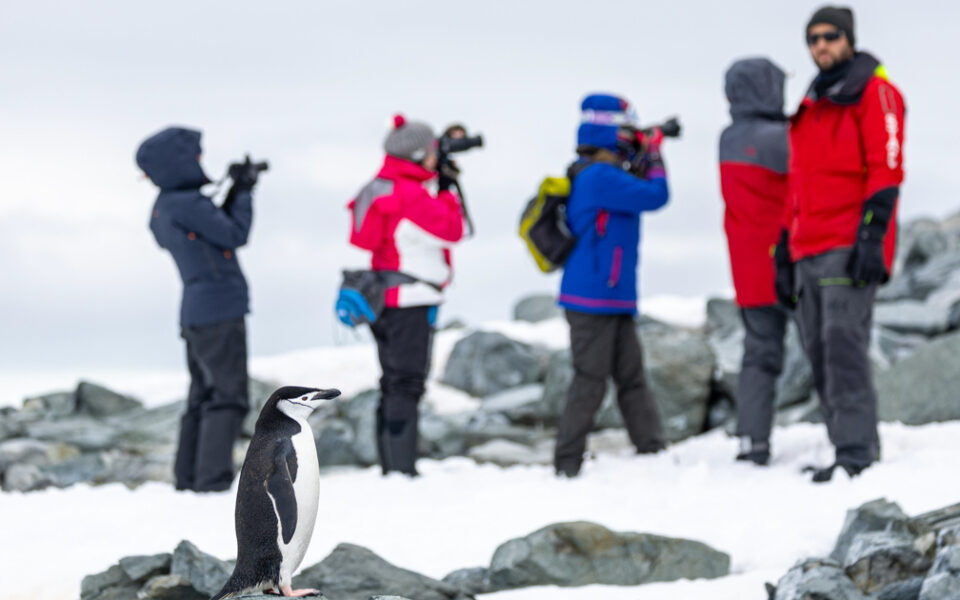
Bellingshausen Sea Cruise with Helicopters
This adventurous 25-day expedition cruises aboard the 108-passenger ship M/V Ortelius and offers the opportunity to travel among rarely visited sites in Antarctica, and access them by helicopter. Cross the Antarctic Circle and explore even farther, to Antarctica's deep south, where few travelers go.
This adventurous 25-day expedition cruises aboard the 108-passenger ship M/V Ortelius and offers the opportunity to travel among rarely visited sites in Antarctica, and access them by helicopter. Cross the Antarctic Circle and explore even farther, to Antarctica’s deep south, where few travelers go.
Take flight above the breathtaking Antarctic wilderness, visiting locations inaccessible by any other means. Explore the volcanic, uninhabited Peter I Island—one of the most remote islands in the world. Visit a research station at Stonington Island. Look for gentoo penguins while hiking to stunning viewpoints on Danco Island. And seek out classic Antarctic wildlife, including chinstrap penguins, minke whales and wandering albatross.
Read on for details about this trip, or learn more about AdventureSmith’s Antarctica cruises, including other Antarctic Circle cruises.
Bellingshausen Sea / Peter I Island + Ellsworth Land - Incl. Helicopters Itinerary
This adventurous expedition cruise operates round-trip from Ushuaia, Argentina, traveling far south of the Antarctic Circle, to the Bellingshausen Sea, to discover rarely visited places.
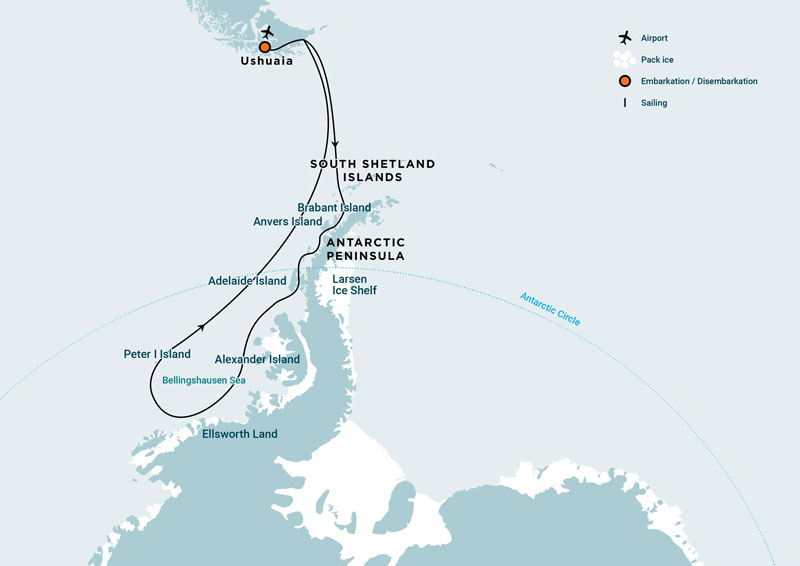
Your voyage begins where the world drops off. Ushuaia, Argentina, reputed to be the southernmost city on the planet, is located on the far southern tip of South America. Starting in the afternoon, you embark from this small resort town on Tierra del Fuego, nicknamed The End of the World, and sail the mountain-fringed Beagle Channel for the remainder of the evening.
Over the next 2 days on the Drake Passage, enjoy some of the same experiences encountered by the great polar explorers who first charted these regions: cool salt breezes, rolling seas, maybe even a fin whale spouting up sea spray. After passing the Antarctic Convergence – Antarctica’s natural boundary, formed when north-flowing cold waters collide with warmer sub-Antarctic seas – you are in the circum-Antarctic upwelling zone. Not only does the marine life change, the avian life changes too. Wandering albatrosses, grey-headed albatrosses, black-browed albatrosses, light-mantled sooty albatrosses, cape pigeons, southern fulmars, Wilson’s storm petrels, blue petrels and Antarctic petrels are a few of the birds you might see.
Following in the footsteps of the famous Belgian explorer Adrien de Gerlache, we hope to land at Auguste Island, which was also the first landing site of the expedition team aboard Belgica during their 1898 expedition.
Another possible landing is Hydrurga Rocks, a small group of islets located east of the much larger Two Hummock Island. Hydrurga Rocks offers a chance to spot Adélie and chinstrap penguins, as well as Weddell seals, leopard seals and southern elephant seals. Occasionally, humpback whales and Antarctic minke whales may also be seen in the surrounding waters.
As you continue exploring the Antarctic Peninsula, heading south, you may visit some of the following locations:
Charlotte Bay
Where you’ll hope to make your first continental landing at Portal Point.
Cuverville Island
A small, precipitous island nestled between the mountains of the Antarctic Peninsula and Rongé Island, Cuverville is home to a large colony of gentoo penguins and breeding pairs of brown skuas.
Danco Island
Activities here may focus on the gentoo penguins nesting on the island, along with the Weddell and crabeater seals that can be found nearby.
Arrive at Flandres Bay, where you’ll hope to land at Renard Island. Renard Island is a steep and rugged island, named after Alphonse Renard, one of the major scientific backers of Adrien de Gerlache’s expedition. It was noted as the final landing site of the expedition vessel Belgica along the west coast of the Antarctic Peninsula.
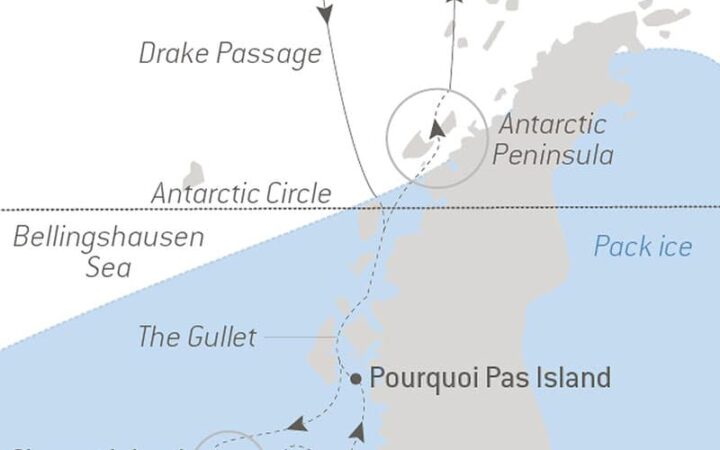
Crossing the Antarctic Circle, arrive in the stunning area of Crystal Sound, where you’ll hope to see a range of Antarctic wildlife and witness the sheer scale of the Antarctic landscape, with its vast expanses of ice and towering mountains. If conditions allow, land on Detaille Island, a listed historic monument and former research station. The station remains as it was left, offering a rare glimpse into the early days of scientific research in Antarctica, set against breathtaking scenery.
Pourquoi-Pas Island / Horseshoe Island
A visit to one or both of these islands further deepens your appreciation of the pioneering expeditions of the past. Pourquoi-Pas Island, named by the famous explorer and scientist Jean-Baptiste Charcot, is often home to penguins and seals. It offers a hike ashore and the opportunity to see glaciers that shape the island’s topography.
Horseshoe Island is also home to an abandoned research base, where the Mary Celeste-like buildings provide an insight into a bygone era of scientific exploration. This was a site of pioneering research and long-distance expeditions using dog teams, and the remains of the kennels can still be seen. This island is a favorite among both staff and guests, offering breathtaking views of the vast landscapes and harsh conditions that once served as home for researchers. The landscape of Horseshoe Island never disappoints.
Stonington Island
A site of significant research activity from the 1930s to the 1970s, Stonington Island was home to both American and British research bases. It features a range of historic buildings and artifacts, telling the story of Antarctic exploration. Once connected to the Antarctic mainland by snow and ice, this sobering site now stands as a powerful reminder of Antarctica’s remoteness and its delicate balance between human history and untamed wilderness. The wildlife, vast natural beauty, and man-made structures combine to make this an unforgettable place, sure to leave a lasting impression.
Red Rock Ridge
A landing site on the Antarctic mainland, Red Rock Ridge is visible from some distance, with its striking red-hued rocks standing out against the icy backdrop. If conditions are favorable, attempt a landing here. Adélie penguins have a breeding colony in the area, and you’ll also hope to see seals and Antarctic shags, which nest nearby.
As the ship heads farther south, keep a keen watch for the giants of the sea, as well as some lesser-seen wildlife, such as the elusive Ross seal. You are now entering a region of true exploration, where few have ventured before.
Hope to enter the Ronne Entrance, an area first recorded during the aerial flights of Lincoln Ellsworth and later charted by the British Graham Land Expedition. This remote region is rarely visited, and your expedition team will aim to land with you in one of the world’s most isolated places, using either Zodiacs or helicopters. As ice and weather conditions can vary significantly, your expedition leader will determine the best options for activities in this area.
Along Ellsworth Land, attempt to find a suitable landing site, either by Zodiac or helicopter. As always, this depends on weather conditions and will be decided by the Expedition Leader.
Known as Peter I Øy in Norwegian, this uninhabited volcanic island lies in the Bellingshausen Sea. It was discovered by Fabian von Bellingshausen in 1821 and named after Peter the Great of Russia. Though the island is claimed by Norway as its own territory, it is rarely visited by passenger vessels due to its remote and exposed nature.
Landing here is challenging, but if weather and ice conditions permit, you may have the extraordinary opportunity to land via helicopter on the glaciated northern part of the island. This is a truly unique chance to set foot on one of the most remote islands in the world.
After your unforgettable time exploring the remote and rarely visited Peter I Island, set course northward, leaving Antarctica behind as you sail across the Bellingshausen Sea and into the vast Southern Ocean. As the ship pushes through the Antarctic waters, your onboard experts will continue to host engaging lectures, covering topics such as the history of Antarctic exploration and marine ecosystems on this delicate environment.
Wildlife remains a constant companion as you sail. Keep an eye out for wandering albatrosses gliding effortlessly above the waves, storm petrels skimming the water’s surface, and occasional sightings of whales—including humpbacks and possibly even blue whales—feasting in these nutrient-rich waters.
The vast Drake Passage stretches before you, marking your final stretch before reaching South America. Over the following days on the Drake Passage, you enjoy some of the same experiences encountered by the great polar explorers who first charted these regions: cool salt breezes, rolling seas, maybe even a fin whale spouting up sea spray.
After passing the Antarctic Convergence – Antarctica’s natural boundary, formed when north-flowing cold waters collide with warmer sub-Antarctic seas – you are in the circum-Antarctic upwelling zone. Wandering albatrosses, grey-headed albatrosses, black-browed albatrosses, light-mantled sooty albatrosses, cape pigeons, southern fulmars, Wilson’s storm petrels, blue petrels and Antarctic petrels are a few of the birds you might see.
Every adventure, no matter how grand, must eventually come to an end. It’s now time to disembark in Ushuaia, reputed to be the southernmost town in the world, and return home with memories that will accompany you wherever your next adventure lies.
Included
Voyage aboard the indicated vessel as indicated in the itinerary; all meals throughout the voyage aboard the ship including snacks, coffee and tea; all shore excursions and activities throughout the voyage by Zodiac; program of lectures by noted naturalists and leadership by experienced expedition staff; free use of rubber boots and snowshoes; luggage transfer from pick-up point to the vessel on the day of embarkation; pre-scheduled group transfer from the vessel to the airport in Ushuaia (directly after disembarkation); all miscellaneous service taxes and port charges throughout the program; comprehensive pre-departure material; basic WiFi up to 1.5GB per 24 hours (additional data available for purchase on board).
Exclusions
Any airfare whether on scheduled or charter flights; pre- and post-land arrangements; transfers to the vessel; passport and visa expenses; government arrival and departure taxes; meals ashore; baggage and cancellation insurance; personal insurance (mandatory); optional activities; excess baggage charges and all items of a personal nature such as laundry, bar, beverage charges and telecommunication charges; customary gratuity at the end of the voyages for stewards and other service personnel aboard; fuel surcharge (your Adventure Specialist will provide details).
Payment & Cancellation
In order to confirm this trip, a deposit of 20% of the total trip cost is required per person at time of booking. The balance of the trip price is due 90 days before the departure date. Special holiday payment and cancellation terms may apply. Guests who must cancel their trip for any reason must do so in writing. Standard cancellations are subject to the following per-person penalties, based on number of days prior to departure:
Up to 90 days – 100% of deposit
89 to 60 days – 50% of total trip cost
59 to 0 days – 100% of total trip cost
Terms & Conditions
This trip is subject to AdventureSmith Explorations Terms and Conditions. Please read this information carefully and call us if you have any questions. A Traveler Information Form, which includes a release of liability, must be completed and signed by all travelers. Your Adventure Specialist will send you a unique link to complete this form along with a packing list and extensive pre-departure and travel insurance information upon booking confirmation.
Arrival & Departure
The Bellingshausen Sea, Peter I Island & Ellsworth Land with Helicopters cruise begins and ends in Ushuaia, Argentina (USH). Embarkation time is between 4:00-5:00pm on day of departure. We strongly advise all passengers to arrive the night prior to departure and get a hotel in Ushuaia to avoid baggage and flight delays. The ship sails around 6:00pm on day of departure. Disembarkation is after breakfast on final day between 8:30-9:00am. Plan flights to depart Ushuaia anytime after noon on the final day. If you would like assistance with international flights, please visit our Booking Flights resource page.
Activities
Various optional activities may be available on your Bellingshausen Sea, Peter I Island & Ellsworth Land with Helicopters cruise. Hiking and photography are included. Please note: there are no additional-fee activities planned for this trip’s departures during the 2026-27 season.
Helicopters:
The Bellingshausen Sea / Peter I Island + Ellsworth Land – Incl. Helicopters cruise includes helicopter rides via a minimum of two onboard helicopters that each carry 4-5 passengers per flight. If the conditions are favorable, there exist added special helicopter rides along Ellsworth Land and Peter I Island. The use of helicopters has a great advantage and can support the goal to reach the scheduled landing sites, that otherwise are inaccessible; other times you observe from the sky. But, these voyages are operated in the world’s most remote areas, ruled by the forces of nature. Providing the conditions, such as but not limited to ice and weather conditions, are suitable, the captain of the vessel will position the vessel at a safe and (for the helicopters and helicopter pilots) feasible distance from the intended landing site. Every passenger who participates in those mentioned voyages, understands and accepts that no guarantees can be given, including a specific amount of helicopter time. For further information contact AdventureSmith Explorations.
Room Configuration
Single travelers wishing to book a double-occupancy cabin may do so at 1.7x the per-person Twin or Superior listed rates. Single travelers wishing to book on a “sharing basis” may do so at no additional cost in Twin, Triple or Quadruple categories upon availability.
Families & Children
Upon request, children under 16 years old traveling with parents may receive 40% discount in Grand Suite, Superior, Triple (sharing with 2 parents/adults) and Quadruple Cabins (sharing with 3 parents/adults). Some voyages may be excluded.
Travel Insurance
Emergency medical evacuation insurance is mandatory for this trip, with a minimum recommended coverage of $100,000 per person. Trip cancellation insurance is optional but highly recommended. Our partners at Travelex Insurance offer a variety of plans and policies to fit every trip and budget. For best value and coverage for pre-existing medical conditions, consider purchasing a policy at time of booking. Learn more about travel insurance or get a free quote.
Itinerary Notes
Read this itinerary as a guide only; the exact route and program varies according to ice, weather conditions, wildlife encountered and the captain’s discretion. Flexibility is the key to the success of any Antarctica expedition. Visits to research stations depend on final permission.
Loading rates & dates…
No upcoming departures available at this time.
No departures match your filters.
The M/V Ortelius is an ice-strengthened small ship designed for polar expedition cruises in the Arctic and Antarctica. At only 108 passengers and 50 cabins, she assures a flexible polar experience with maximum wildlife opportunities.
In 2025, Ortelius was equipped with IcySea, a software providing near-real-time ice information to ensure safe navigation, as well as new bronze propeller blades and a resurfaced hull. In Summer 2019, one engine on the Ortelius ship was replaced and an extra engine was added, ensuring swift and secure operations. A $1.5 million cabin reconfiguration in 2014 (Deck 5) and 2016 (Deck 4) completed the vessel’s refurbishment program, creating a modern, clean design similar to her sister vessel Plancius. Refurbishments included upgrades to cabin beds, wardrobes, desks and chairs, as well as new carpets, ceilings, piping and wallpaper throughout the ship.
Ortelius Review
AdventureSmith Explorations’ Ortelius review includes a detailed description of the small ship including deck plans and a photo gallery. Our polar experts have been aboard the Oceanwide Ortelius firsthand. Please read our review below then contact our polar cruise experts to compare the Ortelius ship with other Antarctica ships and small cruise ships sailing Antarctica cruises and Arctic cruises including cruises to Greenland.
Choose the M/V Ortelius for exploring the polar regions on a small, stable ship that offers passengers a quality exploratory wildlife program. The Oceanwide Ortelius makes for an excellent ship for active-, adventure- and wildlife-minded modern explorers as she is designed for travelers to spend as much time ashore as possible. Her polar cruises are primarily defined by an exploratory educational travel program that offers activities that are designed to accommodate a wide range of experience and fitness levels. She also offers sea routes that are short and direct, allowing for maximum shore time.
Ortelius History
The Ortelius ship was built in Gdynia, Poland in 1989 and served as a special purpose vessel for the Russian Academy of Science under her original name: Marina Svetaeva. The vessel was renamed Ortelius after the Dutch/Flemish cartographer Abraham Ortelius (1527-1598) who published the first modern world atlas in 1570. Among her many polar achievements, the vessel is known in pop culture for hosting Metallica aboard in December 2013 for their no-amplification, 7th-continent performance at the heliport of the Argentine Antarctic Base Carlini.
Common Areas & Amenities Aboard Ortelius
The M/V Ortelius offers a comfortable on-board experience with ample public areas including two dining areas that accommodate all passengers at the same time, a bar/observation lounge with six large windows, theater-style lecture room and several observation areas on multiple decks. This small expedition ship has a spacious bridge which is open to visits by guests. She also has one of the highest possible ice-class notation (UL1 equivalent to 1A) and is therefore very suitable to navigate in solid one-year sea ice and loose multiyear pack ice.
Ortelius offers complimentary internet access via a voucher for a daily allowance of 1.5GB of internet activity, which resets every 24 hours. Additional internet data is available via supplementary vouchers which may be purchased on board.
Dining Aboard Ortelius
Dinners are a plated affair with three courses serving meat, fish or vegetarian dishes. Breakfast and lunches are served buffet style. Coffee, tea and water are included, however alcohol and soft drinks are additional.
Crew & Guides Aboard Ortelius
The Oceanwide Ortelius has 24 highly experienced nautical crew members, 20 international hotel staff, 8 expedition staff (1 expedition leader and 7 guides/lecturers) and 1 doctor. An international team of polar experts and field guides are assembled to share their enthusiasm and in-depth knowledge through lectures, briefings and field excursions. The science-minded professionals aboard cover major topics like marine biology, geography, geology, glaciology, ornithology and history. When it comes to excursions, the staff have all been trained and qualified in their respective activity. These scientists, lecturers and expedition guides work hard not just for safety but also to highlight examples of the unique elements of these intriguing polar regions.
Activities Aboard Ortelius
The Ortelius ship's expert crew and nimble maneuverability allow for safe passage, speedy disembarkation and supremely flexible itineraries assuring for maximum wildlife opportunities. She carries 10 Zodiacs with 60hp Yamaha motors. Nine Zodiacs are in use and one is on reserve. As an activity-focused ship, the M/V Ortelius offers quality equipment and supplies to create safe, fun and comfortable exploration experiences. Numerous activities are available aboard Oceanwide Ortelius depending on the voyage: kayaking, snowshoeing, mountaineering, skiing, scuba diving, hiking, camping, photography workshops and more. Helicopters are aboard select Ortelius cruises for remote landscape exploration.
Cabins & Deck Plan Aboard Ortelius
The Ortelius ship has five cabin categories located on three decks. Cabins range from simple affordable quadruple, triple or double rooms to more spacious deluxe and superior cabins with view windows. All cabins are roomy outside cabins with a sink, private shower and toilet, hairdryers, desk and chair, ample storage space and a minimum of two portholes or windows per cabin. The electrical supply aboard Ortelius is 220v, 60Hz. Electrical outlets are standard European with two thick round pins, so a 220v/110v converter may be needed.
Current Deals on This Trip
Loading deal details…
Unable to load deal details. View full page →
Learn About the Small Ship on Your Itinerary
The M/V Ortelius is an ice-strengthened small ship designed for polar expedition cruises in the Arctic and Antarctica. She offers passengers a quality exploratory wildlife program to spend as much time ashore as possible.
Additional Travel Options Before or After Your Cruise
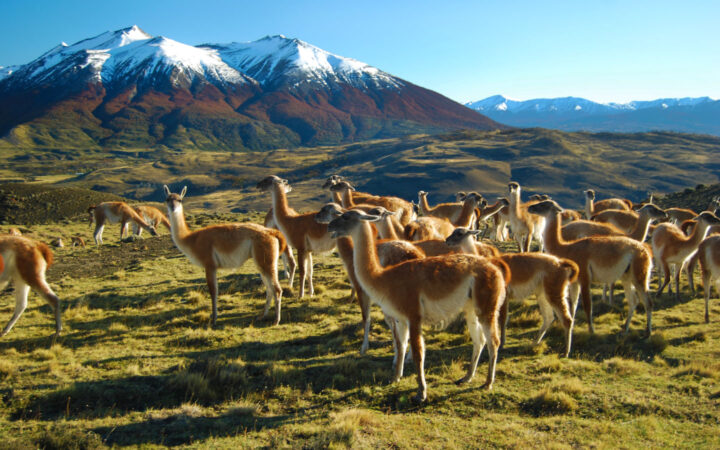
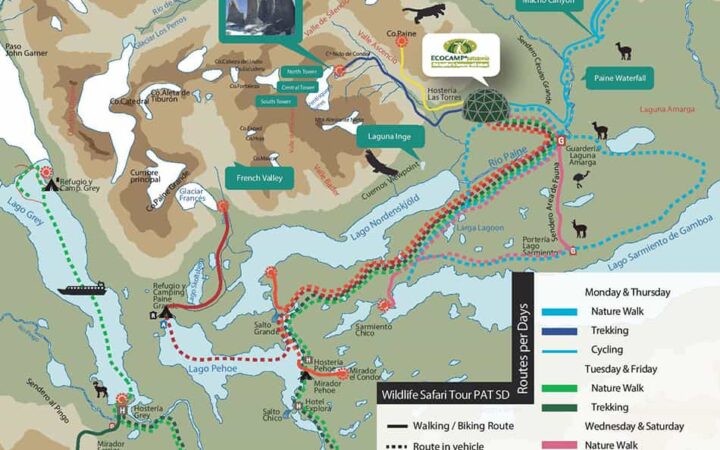
Patagonia Wildlife Safari
Choose your own adventure via smart-value, eco-friendly, geodesic domes
 Save up to 30%
+1
Save up to 30%
+1
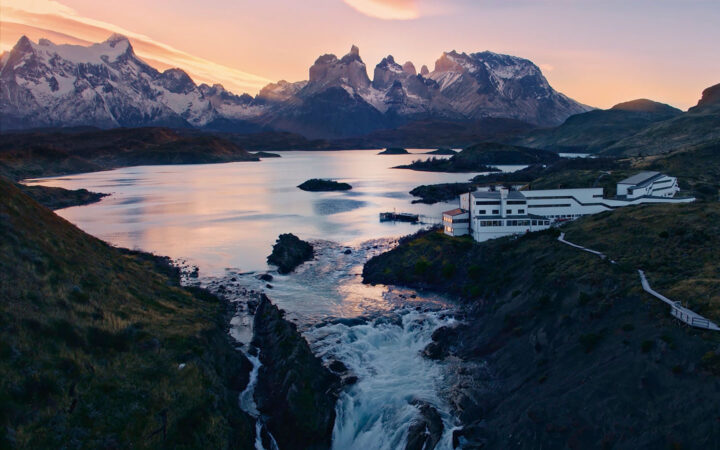
Explora Torres del Paine
Tailor-made adventure via a luxury Patagonia lodge
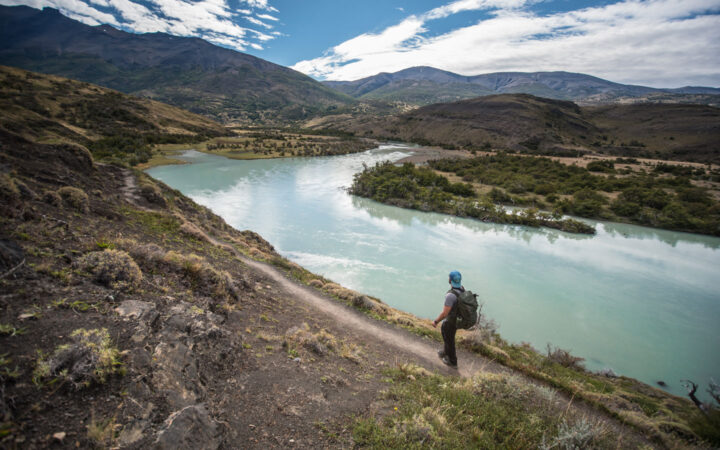
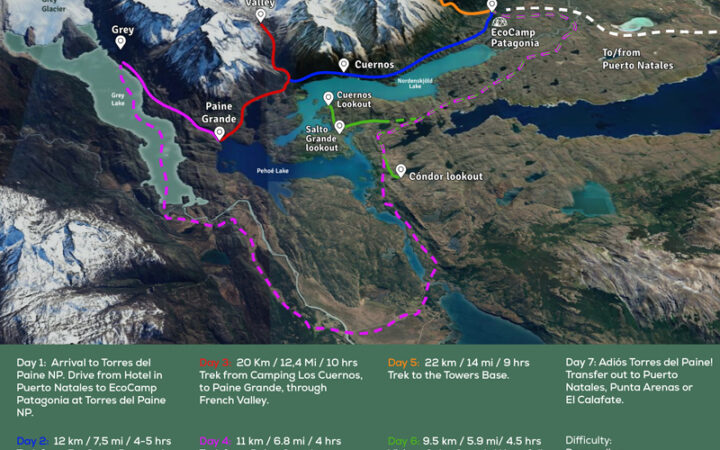
Torres Del Paine Trek
Supported, classic W trek for granite towers, glaciers & backcountry trails
Planning Your Trip to Antarctica
View All Antarctica Travel Guides-
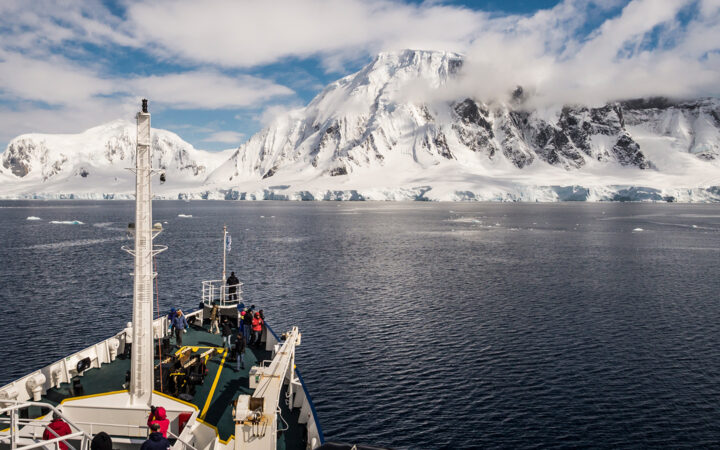
Best Time to Visit Antarctica
When is the best time to go to Antarctica? On the White Continent, the answer isn’t so black-and-white. Consult this month-by-month list covering everything from penguins to pack ice to help guide your travel timing.

-
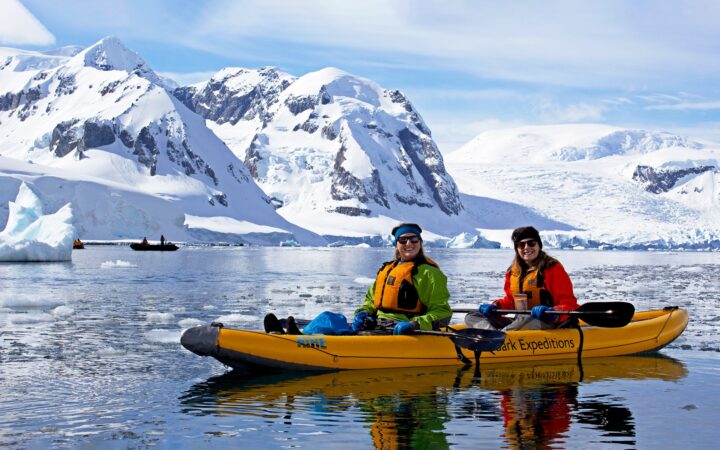
Things to Do in Antarctica
Learn about things to do in Antarctica, and how our experts can help you achieve your bucket list activities. Antarctica has so much to offer and our small ship cruise lines focus on experiencing the White Continent in an active, up-close way; here we explain how.

-
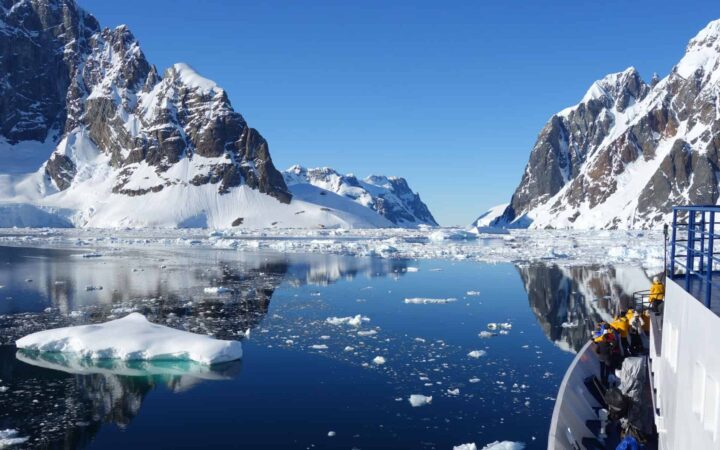
Places in Antarctica
Learn more about the Antarctica landscape with our guide to places in Antarctica. Select your regions as a starting point for booking your perfect Antarctica trip, with the knowledge of our experts.
Trips You Might Also Like
View All Antarctic Circle Cruises-
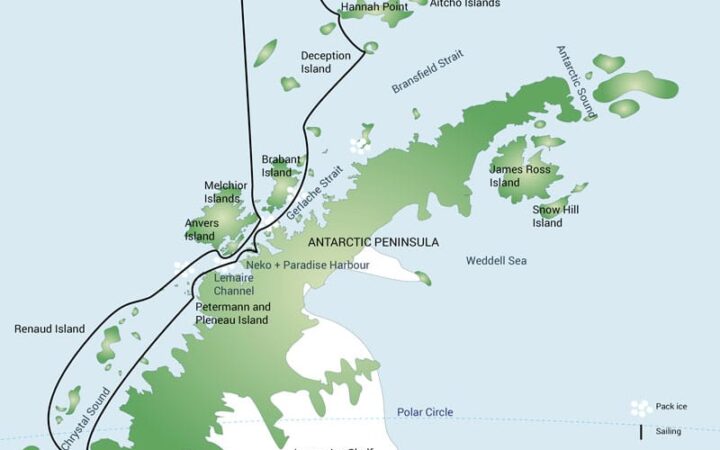
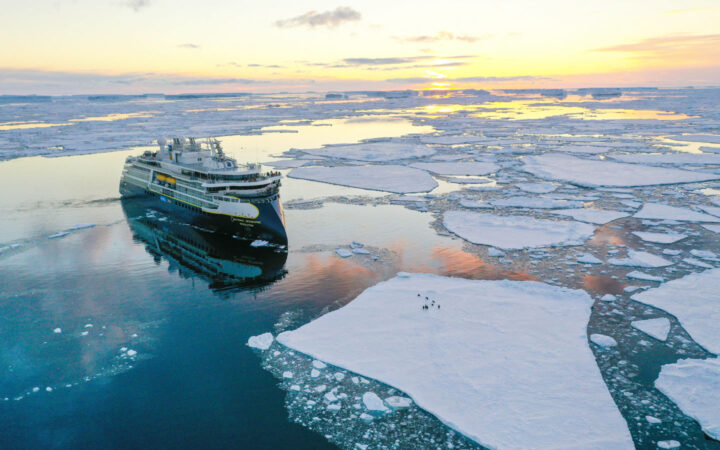
Polar Circle Cruise
A value-smart, milestone-driven Circle voyage
-
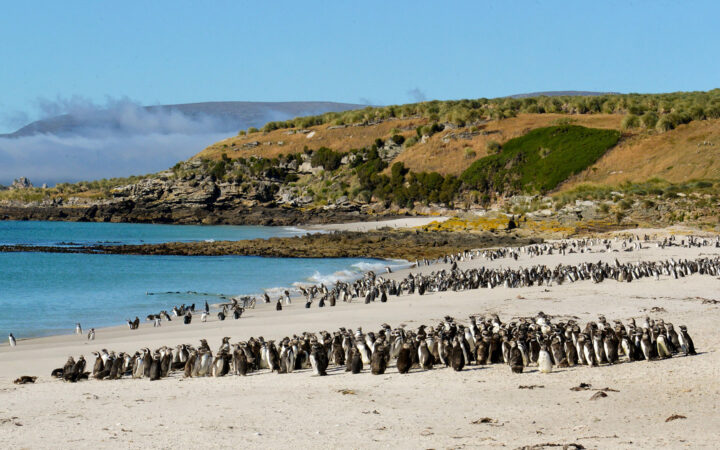
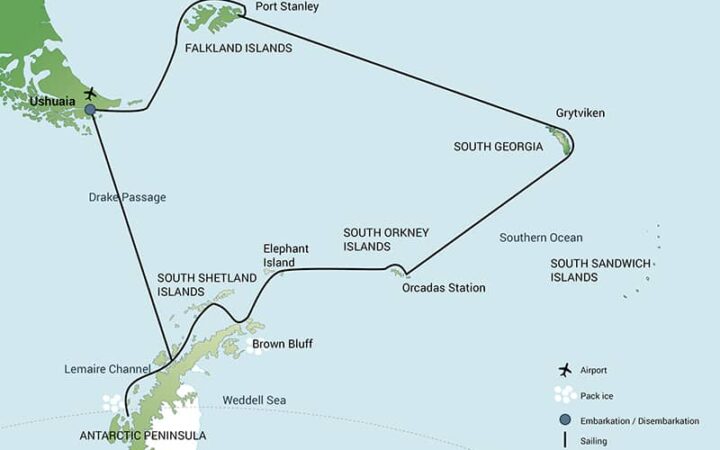
South Georgia & Polar Circle Wildlife Cruise
King penguins plus a Circle crossing in one ambitious route
-
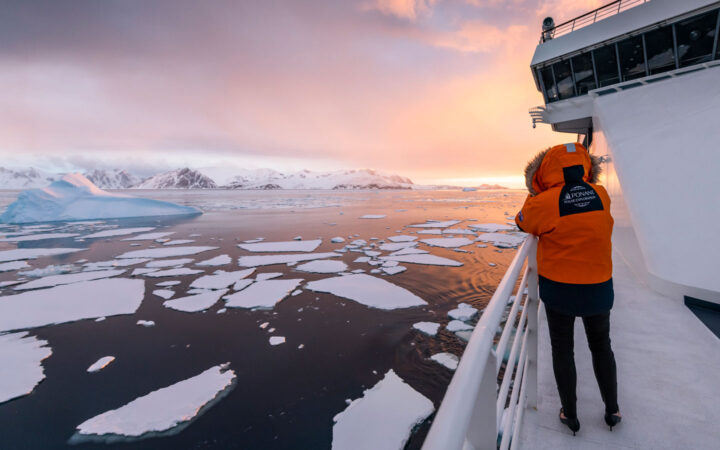
 Save up to 25%
Le Commandant Charcot Bellingshausen Sea Voyages
Luxury icebreaker access into rarely visited Bellingshausen waters


Our experts will save you hours.
A single conversation with us is worth hours of internet scrolling. Find your next best trip with ease, then book with the confidence of our 20+ year experience.