Arctic Edges: Iceland Westfjords to East Greenland
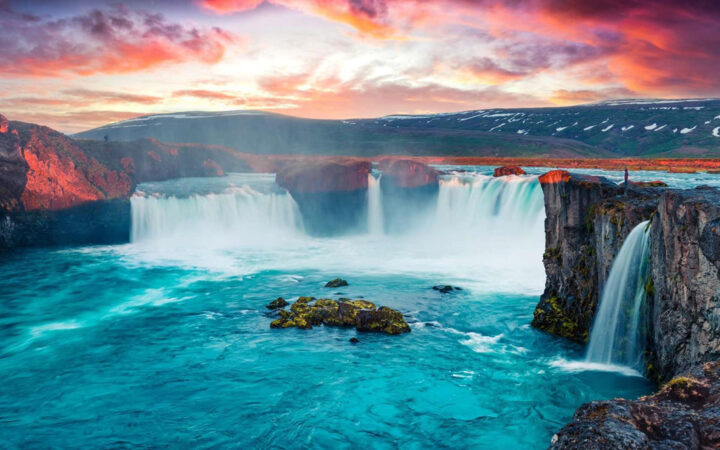
On this compact Arctic Edges: Iceland Westfjords to East Greenland Cruise aboard 148-guest Nat Geo Explorer, discover pristine fjords, fascinating tundra and dramatic waterfalls. Navigate the glacier-carved fjords of Greenland while keeping a watchful eye for whales, arctic fox or the more elusive beluga whales and narwhal.
Discover why Iceland is known as the “land of fire and ice” on the compact Arctic Edges: Iceland Westfjords to East Greenland cruise. Sail into pristine corners of Iceland’s Westfjords region and Eastern Greenland, remote areas famed for their fascinating natural features and charismatic wildlife. On this 8-day adventure, actively explore these dynamic shores in a multitude of immersive ways, from hiking past cascading waterfalls to Zodiac cruising through rugged fjords or rafting on a glacial river. Search for whales and seals, walk among prolific sea bird colonies and experience enduring traditions on visits to tiny fishing villages steeped in history.
Discover the rich biodiversity of the remote Westfjords, spotting nesting puffins along the coast and watching for humpback and minke whales in the surrounding waters. Navigate the glacier-carved fjords of Greenland while keeping a watchful eye for whales, arctic fox or the more elusive beluga whales and narwhal.
Take a challenging hike on an island plateau or a thrilling whitewater rafting trip in Skagafjordur, known as the cradle of Icelandic horsemanship and for its stunning geologic formations. Kids and teens will delve deeper into the region’s natural wonders with National Geographic Explorers-in-Training, our exclusive hands-on family program.
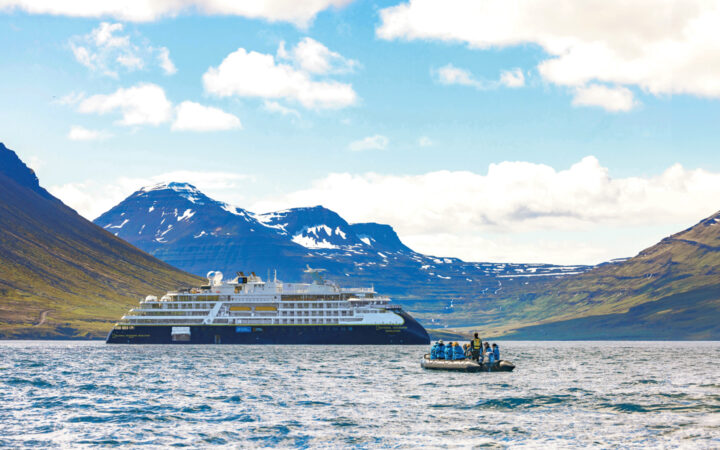
Explore aboard the 148-guest National Geographic Explorer. This small expedition ship is technologically advanced, fully stabilized and equipped with a well-rounded set of exploration tools including an ROV and enough kayaks and Zodiacs to send all guests out exploring at the same time.
Read on for details about this trip, or learn more about AdventureSmith’s Arctic cruises and Iceland cruises.
Arctic Edges: Iceland Westfjords to East Greenland Itinerary
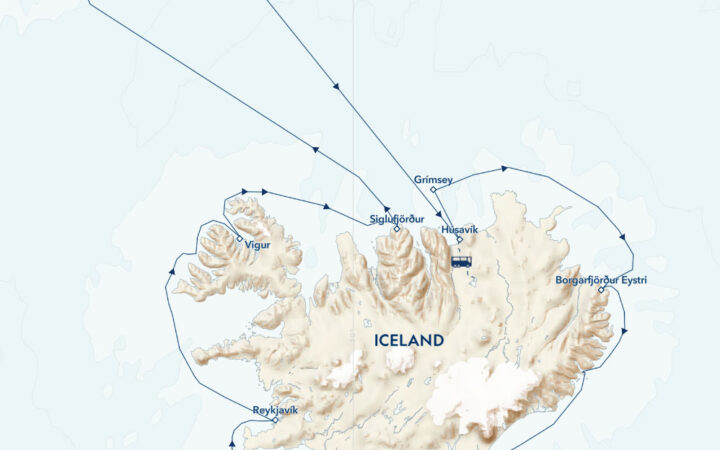
The 8-day Arctic Edges: Iceland Westfjords to East Greenland explores the remote Westfjords of Iceland, beginning in Reykjavik, sailing northbound to Djupavik, then sailing southbound to end in Reykjavik, Iceland.
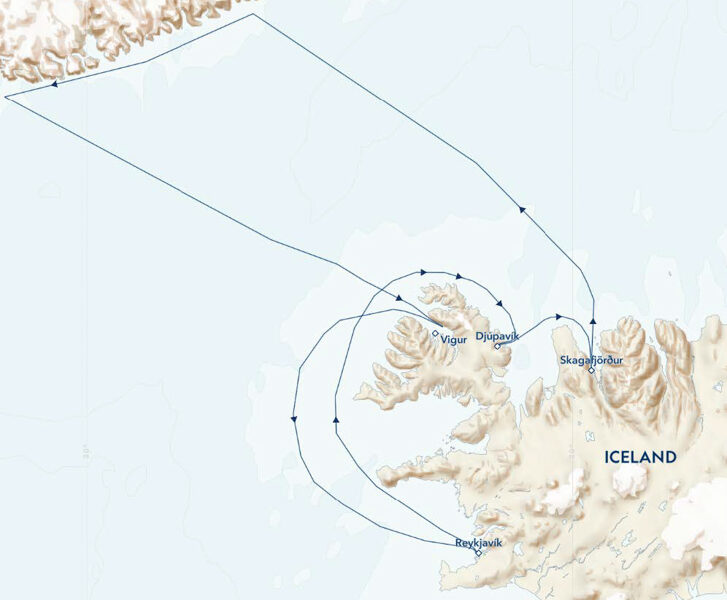
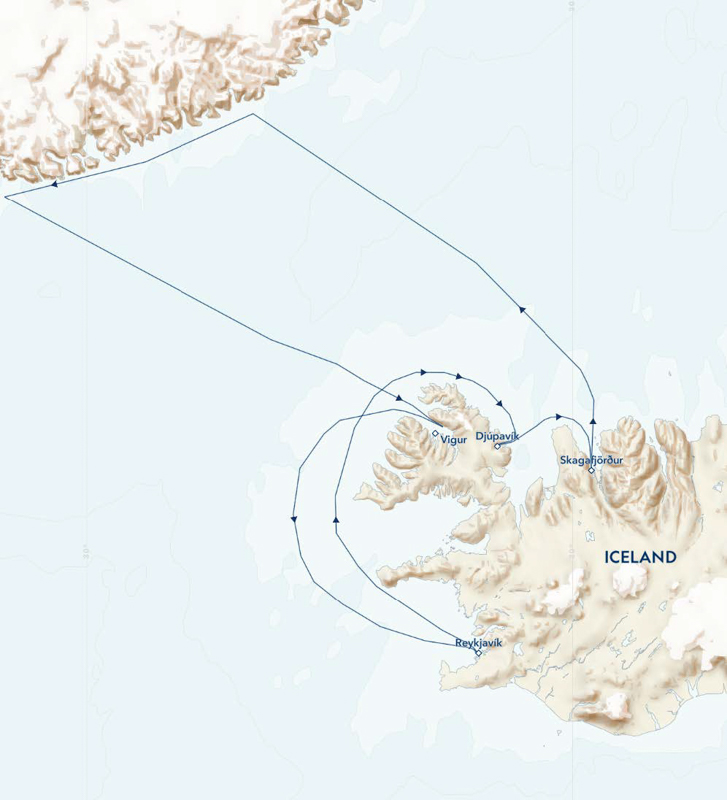
Arrive in Reykjavik, the world’s northernmost capital, which lies just below the Arctic Circle. Transfer from the airport to the city and spend the day exploring at your own pace. Check in with the hospitality desk this afternoon before embarking the ship.
Enjoy a leisurely morning at sea learning about Iceland and its incredible biodiversity. Join your expedition staff on the bow of the ship as you keep watch for the close to 20 different whale species that call the Westfjords home.
Spend the afternoon on the remote eastern side of the Westfjords, an area difficult to access but boasting spectacular beauty and rich history. The tiny town of Djupavik held its place on the map because of the golden age of herring. During its heyday in the 1930s, its herring plant was the largest concrete structure in Iceland. The plant closed in 1954 but remains as a small museum and a memory of the rich productivity of the herring industry in Iceland. Visit the museum and learn about the significance of this resource to all of Iceland in the 20th century as well as choose from active options in the surrounding mountainsides.
Skagafjordur is the gateway to north Iceland, known for its glacial rivers, Icelandic horses and saga history. Take a float trip on the Jokulsa River or visit a historic rural turf farm to understand rural life in Iceland, including the iconic Icelandic horses. Finally, learn about Grettir the Strong, and the saga named after him, by exploring Drangey Island and spotting the multitudes of birds that call the island home like kittiwakes, shearwaters and possibly even ravens and gyrfalcons.
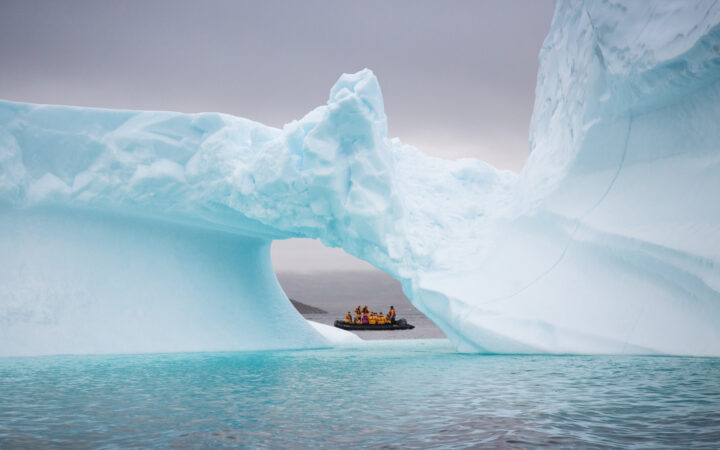
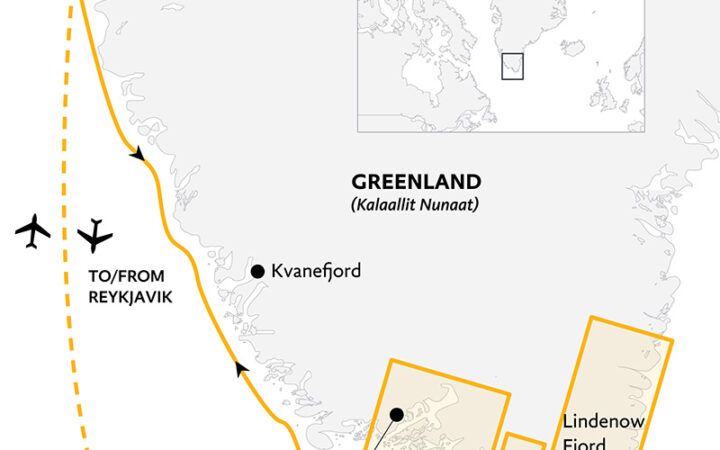
Strike out across the Denmark Strait to the wild shores of East Greenland, where exploration is shaped by the Arctic’s ever-changing ice. On June departures, sea ice typically lines the coast, guiding your journey through vast floes as you navigate among sculpted icebergs. These departures also bring shifting fog that rolls across the ice floes, formed where warm continental air meets the polar ice moving southward. By July and August, fjords often begin to open. When conditions permit, venture into these dramatic waterways and potentially make landings along the coast, with opportunities for hiking, kayaking or Zodiac cruising.
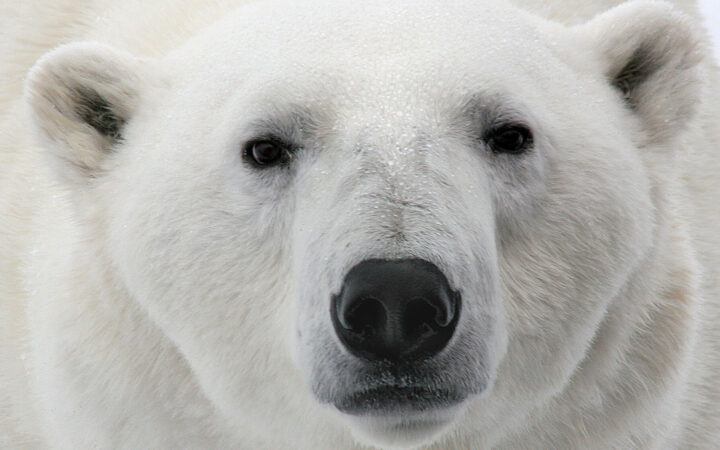
As you explore these remote waters, keep watch from the Bridge or deck for humpbacks, beluga whales and seals—and, with luck, the elusive polar bear.
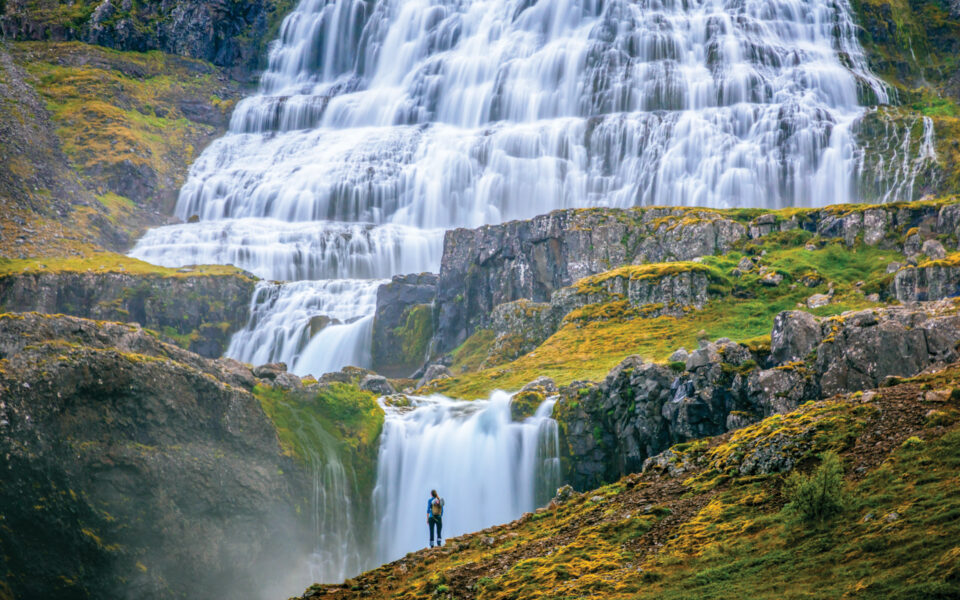
Explore the beautiful and peaceful Westfjords region of Iceland. Enter Isafjardardjup and land at Vigur Island to visit an eider farm where you’ll learn about the traditional eiderdown collection and cleaning process as well as their prolific bird colonies. Walk over the boardwalks amongst their puffin colony, a shared project between Lindblad Expeditions and the island owners to develop a safer environment for the puffins along with a better infrastructure for local scientists to study the birds. As the ship transits back through the fjord, make your way out to the railings to spot some of the whales that call this region home. The next day explore yet another stunning, remote fjord with expedition activities, including hiking along fjord trails to a dramatic waterfall cascading down from the high plateaus above.
Disembark in Reykjavík and transfer to the airport for flights home.
Included
Expedition parka to keep; accommodations; meals as indicated; beer, wine & full bar; excursions; airport transfers to and from recommended flights; services of expedition leader, naturalist staff and expert guides; use of kayaks; entrance fees; all port charges and service taxes; basic WiFi (enhanced and premium packages available for purchase). Gratuities for all departures of National Geographic Explorer, Orion, Endurance, Resolution, Sea Cloud, Jahan and Lord of the Glens.
Exclusions
Immigration fees; air transportation; extensions; meals not indicated; reserve wines & premium spirits; gratuities for all departures of Delfin II, Endeavour II, Islander II, Venture, Quest, Sea Bird and Sea Lion; personal items such as emails, laundry, voyage DVD, etc.; and insurance of any kind.
Payment & Cancellation
In order to confirm this trip, a deposit of 15% of the total trip cost is required per person at time of booking. The balance of the trip price is due 120 days before the departure date. Guests who must cancel their trip for any reason must do so in writing. Standard cancellations are subject to the following per-person fees, based on number of days prior to departure:
120 or more days – 100% of deposit**
119 to 90 days – 50% of total trip cost
89 to 0 days – 100% of total trip cost
**Advance payments will be credited in the form of a Lindblad Expeditions Travel Certificate, valid for 12 months from the date of cancellation, and which may only be applied towards final payment on any future booking.
Terms & Conditions
This trip is subject to AdventureSmith Explorations Terms and Conditions. Please read this information carefully and call us if you have any questions. A Traveler Information Form, which includes a release of liability, must be completed and signed by all travelers. Your Adventure Specialist will send you a unique link to complete this form along with a packing list and extensive pre-departure and travel insurance information upon booking confirmation.
Arrival & Departure
The Arctic Edges: Iceland Westfjords to East Greenland begins and ends in Reykjavik (KEF). Plan flights to arrive to Reykjavik by 10:00am on Day 1 (or in time for a 12:00pm group lunch and pre-embarkation city tour). A transfer from the airport is included for recommended flights. We highly recommend arriving one day prior to your trip start date in case of any flight delay, cancellation or lost luggage issues. Disembarkation is at 8:00am on the final day; plan flights to depart Reykjavik no earlier than 10:30am. A transfer from the ship to the airport is included for recommended flights home. If you would like assistance with international flights, please visit our Booking Flights resource page.
Activities
Whether you are looking for light activity options or more challenging outdoor pursuits, the ship’s crew can tailor most excursions to suit your skill level. Adventure activities may include walking, hiking, kayaking, inflatable boat/skiff excursions, photography, wildlife observation and morning yoga and stretching. Optional excursions may include visiting a turf farm or botanical garden, floating a glacier-fed river, biking, a cultural town walk and more.
Room Configuration
In addition to listed Solo cabin rates, select double-occupancy cabins may be available for single occupancy with a single supplement fee. If you would like to share accommodations with another guest of the same gender, we will be happy to try to accommodate you in select cabin categories. This program allows you to pay the per person double-occupancy rate whether or not a roommate is found. Contact AdventureSmith for further details and availability.
Families & Children
Skilled staff members trained with National Geographic Education organize activities that inspire curiosity in young people of all ages. Programming for kids may include activities like photo workshops, journaling, scavenger hunts, Zodiac-driving lessons, hands-on nature and science programming and kid-friendly menu options. See the Deals section of this trip for any applicable child discounts.
Travel Insurance
Protect your travel investment with insurance. Our partners at Travelex Insurance offer a variety of plans and policies to fit every trip and budget. For best value and coverage for pre-existing medical conditions, consider purchasing a policy at time of booking. Learn more about travel insurance or get a free quote.
Itinerary Notes
Use the itinerary as a guide only. Itineraries may be altered due to weather, wildlife, national park regulation or at the captain’s discretion. The ability to be flexible makes this type of small ship cruising unique.
Loading rates & dates…
No upcoming departures available at this time.
No departures match your filters.
The National Geographic Explorer is a polar expedition vessel that holds 148 guests in 81 outside cabins. Her design and equipment is the result of almost 200 years of collective expedition experience. She is equipped with an ice-strengthened hull and advanced navigation equipment for polar expeditions and is perfectly maneuverable for polar passages while providing exceptional comfort. She carries kayaks and a fleet of Zodiac landing crafts. And an undersea specialist operates a remotely operated vehicle (ROV) and sophisticated video equipment, extending access to the underwater world.
Why Sail Aboard National Geographic Explorer
Choose the National Geographic Explorer if you are an active and inquisitive traveler seeking one of the finest ships combined with the best onboard experts from National Geographic. The expert guides and equipment on board this next-generation ship provide the finest intellectual and educational experience of any expedition cruise. If you are seeking an upscale expedition ship, with top guides synonymous with Nat Geo cruises, the National Geographic Explorer is the right expedition ship for you.
The National Geographic Explorer is one of the finest expedition ships in the world operating Antarctica cruises, Antarctica air cruise itineraries, Greenland cruises, Patagonia cruises, Arctic cruises, Iceland cruises, small ship cruises in Northern Europe and Canada small ship cruises. She is equipped for true expeditions to the farthest reaches of our planet in safety and comfort. At 148 guests and 367 feet, she is larger than many other expeditions ships but her size adds stability and endurance for longer voyages. She is still small enough to access remote locations favored by small ship expeditions.
Our experts have sailed aboard the National Geographic Explorer firsthand in Antarctica. AdventureSmith Explorations’ National Geographic Explorer review includes a detailed description of the small ship including deck plans and a photo gallery. Please read our National Geographic Explorer review below then contact our small cruise ship experts to compare the National Geographic Explorer with other Antarctica ships and polar expedition ships and yachts.
Common Areas & Amenities Aboard Nat Geo Explorer
Guests aboard the Explorer enjoy a Bistro Bar; forward-located Chart Room; restaurant; Global Gallery featuring practical items, regional handicrafts and art; library; lounge with full-service bar and state-of-the-art facilities for films, slideshows and presentations; mud room with lockers for expedition gear; and an observation lounge. An "Open Bridge" provides guests an opportunity to meet Explorer's officers and captain and learn about navigation.
A full-time doctor, Internet cafe and laundry are also available. The vessel is staffed by two Wellness Specialists and features a glass-enclosed Fitness Center, outdoor stretching area, two LEXSpa treatment rooms and Swedish sauna, perfect for quick warm-ups after polar plunges or as a relaxing way to end the day. The fitness center with its expansive floor-to-ceiling windows and 180-degree vista offers a “million-dollar view” along with exercise bikes, elliptical machines and treadmills, free weights, yoga mats and exercise balls. From early-morning yoga or stretching on deck or in the lounge to massages and face, hand or body treatments inspired by the location, the onboard wellness specialists help guests achieve a more relaxed and revitalized state of being, great for days spent at sea.
Nat Geo Explorer also offers internet access (one device at a time) via three tiers: time-limited complimentary "basic" internet, for app messaging, email and simple social media; time-limited "enhanced" internet, adding general web browsing and video conferencing capabilities; and "premium" internet, for unlimited access to all features under the "enhanced" plan. Please note: WiFi is satellite based and may be compromised by inclement weather or remote locations.
Activities Aboard National Geographic Explorer
National Geographic Explorer carries a full fleet of 15 Zodiac landing crafts, allowing guides to get the entire expedition community off ship and engaged in activities quickly, comfortably and safely. Widely regarded as the most robust watercraft available, these Zodiacs can push through pack ice and run up on sandy shores. Also on board are 36 two-person AIRE inflatable kayaks, a fleet large enough to ensure everyone who wants to can paddle at every opportunity. Specifically chosen because of their inherent stability and suitability for polar waters, AIREs are virtually untippable. Consequently, prior kayaking experience is not necessary; many guests aboard National Geographic Explorer have had their first kayaking experience in extraordinary locations. Kayakers are usually free to explore where they want within boundaries set by the undersea specialist and officer of the watch.
Unique in-ship Zodiac boarding stations, designed by VP-Marine Operations Captain Leif Skog, allow guests to step into Zodiacs and kayaks safely—and dry—from a secure platform inside the ship rather than a ladder dangling outside. With two possible embarkation gates, the Explorer unloads her guests into Zodiacs more quickly, meaning you’ll have more time ashore and less time waiting. Adjacent these boarding stations is the mudroom and lockers for guests, where expedition gear can be stored separate from cabins. On warm-weather itineraries where there will be snorkeling, a mask, snorkel, fins and wetsuit are provided for the duration of the expedition. On select cold-weather itineraries, cross-country ski gear may be available.
Additional tools for exploration aboard National Geographic Explorer include:
Underwater Camera
An undersea specialist will dive almost every day of Explorer’s expeditions, even in Antarctica or the Arctic, with almost 200 pounds of gear, to shoot high-definition, Cousteau-like footage of the deep. Colorful nudibranchs, plant-like crinoids and mysterious fish with antifreeze blood that thrive in the frigid sea will give you an entirely new appreciation of the marine environment.
Remotely Operated Vehicle
Capable of reaching 1,000 feet, far beyond the range of any scuba diver, the ROV allows guests to literally view parts of the undersea that are as unexplored as the moon. By sharing videos of potentially new species with scientists, such as a large worm an onboard specialist captured in the Weddell Sea, each expedition actively contributes to science and may fundamentally change how the ocean is viewed.
Video Microscope
Naturalists will use the video microscope to help explain all elements of the environment, including tiny organisms that are the building block of the marine ecosystem. Spellbinding images of a krill’s body, at 80x magnification, fills the plasma screens in the lounge with vivid detail, and fills every onlooker with a sense of wonder at the importance of an otherwise unobservable creature.
Crow’s Nest Camera
Perched high atop the vessel on the ship’s mast, this camera provides a continual view on the outside world that can be seen on in-room cabin TVs. From zooming in on a distant polar bear to simply watching the bow crush through ice flows, each guest gets a unique perspective of their surroundings. The extra height from the camera also aids the captain by allowing him to peer at ice conditions farther ahead.
Hydrophones
These underwater microphones are deployed to listen to the vocalizations of marine mammals. Real-time transmissions of their eerie, haunting sounds can be broadcast through the ship or recorded for later playback.
Dining Aboard National Geographic Explorer
Meals are served in the ship's elegant dining room and the adjacent, more intimate Bistro Bar. Seating is open, allowing you to choose where to dine, and table sizes range from 2 to 12. The style is relaxed and casual—there’s never a need to dress up, and there will be opportunities to chat with the onboard naturalists and guest speakers over a meal. Each evening, a ship’s officer, National Geographic staff or a naturalist hosts small tables in the chart room.
All food prepared aboard National Geographic Explorer is sourced locally whenever possible from sustainable providers, with special attention to all seafood being sustainably caught or raised. Breakfast is usually served buffet-style in the dining room and consists of a selection of fruit, eggs to order, cereal, yogurts, cheese and cold meats, plus specially prepared daily dishes, fresh coffee and tea. An early-riser continental breakfast is served in the bistro as well, and many guests choose to take their coffee and morning pastries to the bridge or out on deck. Lunch is also served buffet-style in the dining room and Bistro Bar, with salads and both hot and cold buffet choices available. Most days a light-lunch option is held in the observation lounge at the very top of the ship. When weather conditions permit, the light-lunch is held outdoors on the aft sundeck, offering a stunning backdrop. Depending on the day’s activities, an afternoon tea with cookies, or occasionally, cakes and pastries, is served buffet-style in the Bistro Bar. Dinners are served in the dining room and bistro and feature plated service.
Cabins & Deck Plan Aboard National Geographic Explorer
Soothingly decorated in quiet earth tones, National Geographic Explorer’s 81 spacious cabins each offer a large desk, ample drawer space, signature feather duvets, crisp cotton sheets and generously sized bathrooms with roomy glass-walled shower stalls, hair dryers, bathrobes and botanically-inspired shampoo, shower gel and lotion, as well as an Expedition Essential Kit. Most cabins offer a comfortable armchair for reading, as well as individual reading lamps above the bed.
Cabins also feature individual climate control for heating and air-conditioning; National Geographic Atlas; plenty of drawers, hooks and under-bed storage space for luggage; public address system; and a flat-panel TV with several channels for movies, National Geographic documentaries, lounge lectures and presentations, views from the Crow’s Nest camera and displays of the electronic chart system with the ship’s current position. Ethernet jacks are available for in-cabin Internet access and there are both 110-volt and 220-volt outlets. Cabin doors lock, but it’s recommended to leave jewelry and other valuables at home. The Explorer is not equipped with safety deposit boxes.
Current Deals on This Trip
Loading deal details…
Unable to load deal details. View full page →
Learn about the Small Ship on Your Itinerary
The National Geographic Explorer is a state-of-the-art expedition ship. She is fully stabilized, enabling her to navigate polar passages while providing comfort.
Additional Travel Options Before or After Your Iceland Cruise
In conjunction with this cruise, the following pre-cruise option is available for a seamless land-and-sea group travel experience with National Geographic guides and fellow passengers. Contact AdventureSmith Explorations for further details and pricing.
Reykjavik’s Golden Circle & Blue Lagoon is a 2-day pre-cruise exploration of the famed Golden Circle (a driving route with geysers, waterfalls & other fascinating geologic formations), plus a visit to the Blue Lagoon thermal baths and a Reykjavik city tour.
 Save 5% on groups
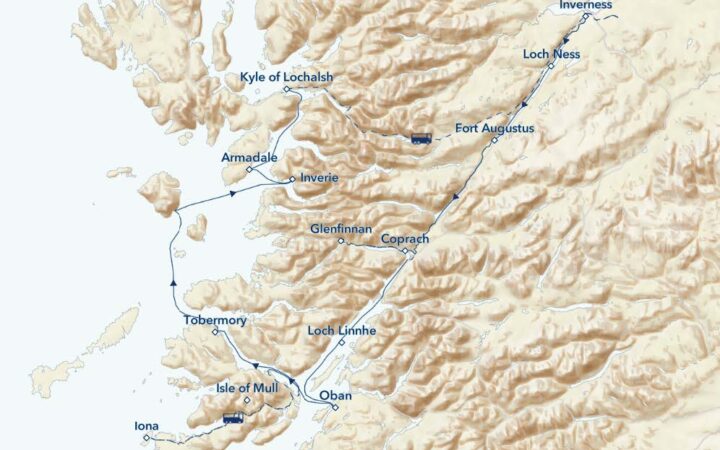
Scotland’s Highlands & Islands
Canals & open sea cruise with Nat Geo guides & small-scale ship
 Save up to 20%
+1
Save up to 20%
+1
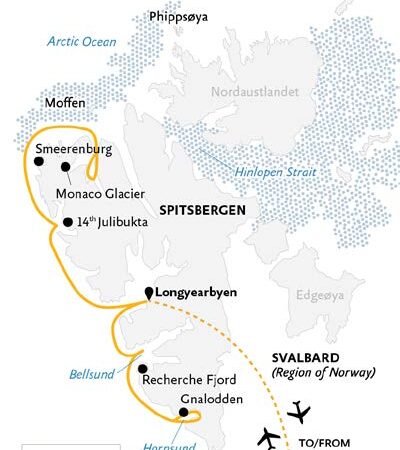
Svalbard Explorer
Classic, long-running expedition cruise with active options
 Save up to 20%
+1
Save up to 20%
+1
South Greenland Adventure: The Majestic Alpine Arctic
Active expedition to "Arctic Patagonia" with unique activity options
Trips You Might Also Like
View All Iceland Cruises-
 Save 5% on groups
+1
Save 5% on groups
+1
A Circumnavigation of Iceland
Premium circumnavigation with Nat Geo programming
-
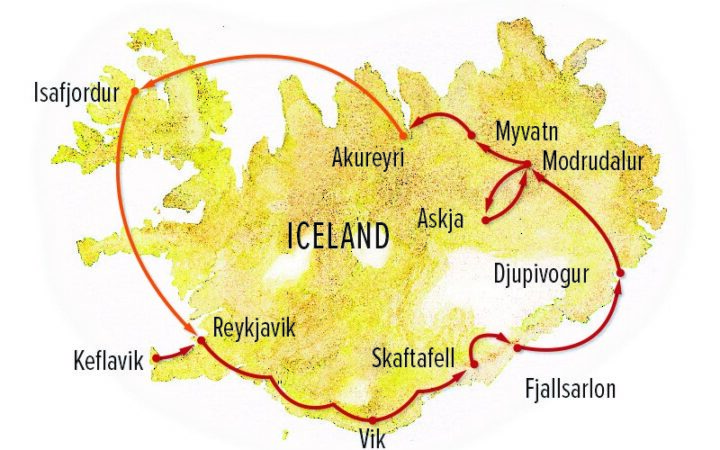
Iceland Adventure: Circling the Land of Fire & Ice
Active lodge-based circumnavigation with up to 11 travelers
-
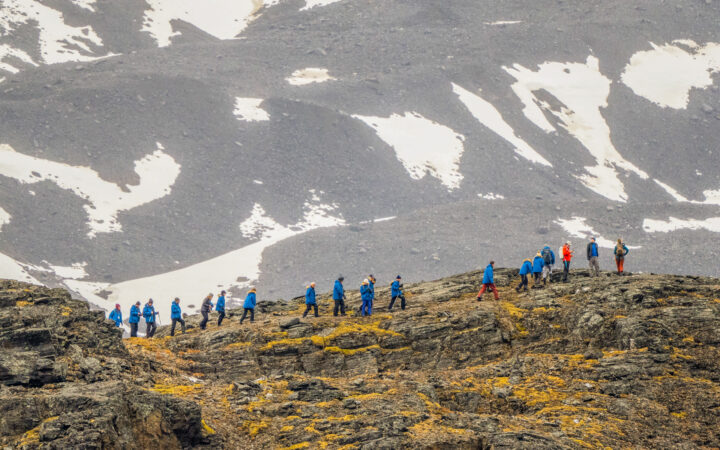
 Save 5% on groups
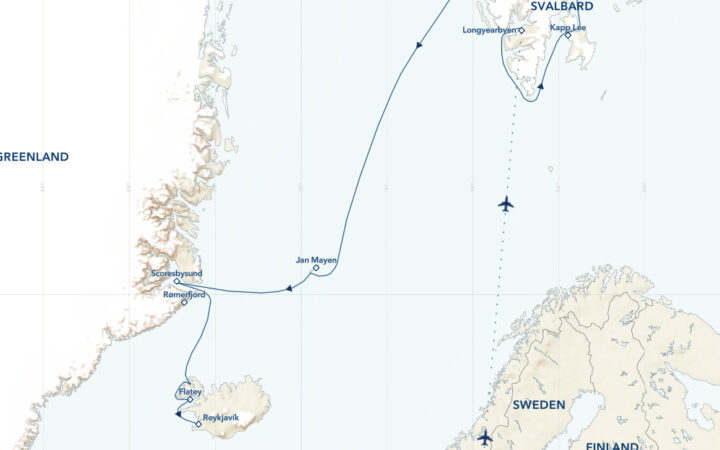
Svalbard, Iceland & Greenland’s East Coast Cruise
Epic Nat Geo voyage connecting three Arctic regions



Our experts will save you hours.
A single conversation with us is worth hours of internet scrolling. Find your next best trip with ease, then book with the confidence of our 20+ year experience.