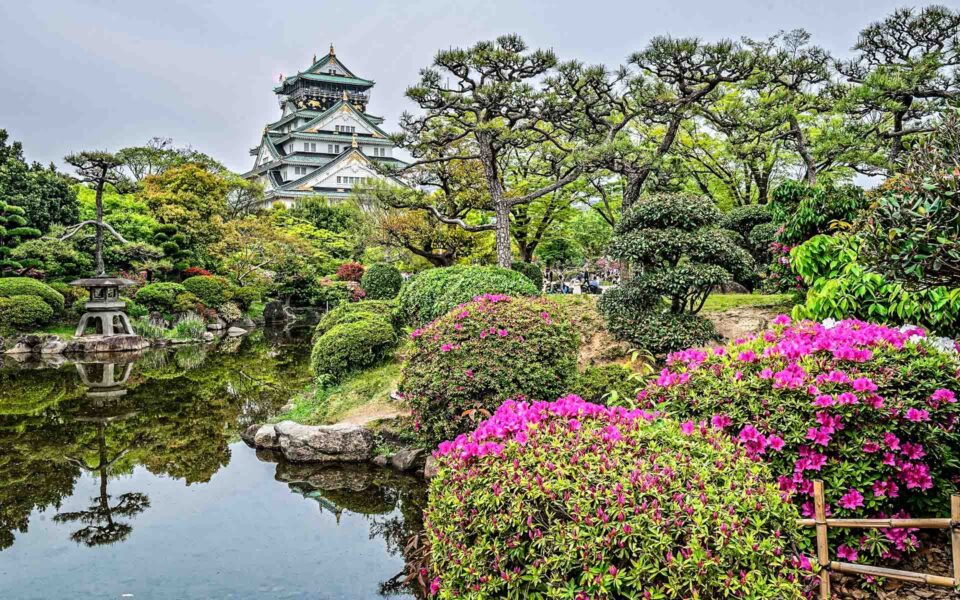
Discover the Islands of Japan
Explore some of Japan’s iconic highlights and rarely-visited islands from 140-guest Heritage Adventurer. Enjoy an authentic mix of culture, history and the natural world, joined by guest speakers and Japanese guides from start to end.
Set sail to explore some of Japan’s iconic highlights and rarely-visited islands on an all-inclusive voyage aboard Heritage Adventurer. Enjoy an authentic mix of culture, history and the natural world, including ancient castles, serene gardens, opulent temples and stunning natural landscapes.
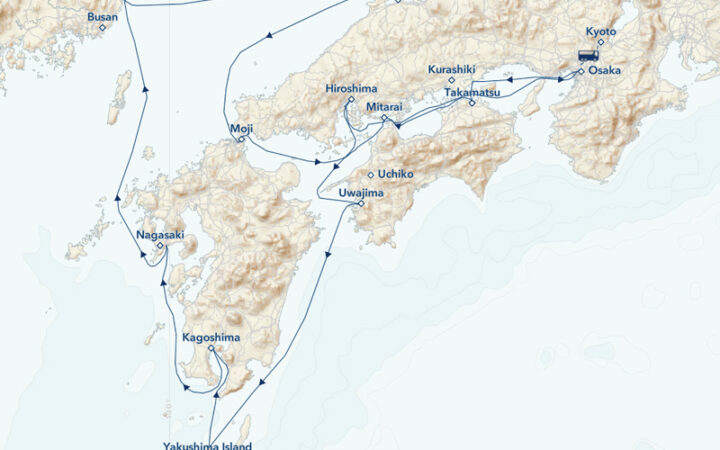
Venture to destinations such as the historic castle town of Matsue and the ancient town of Hagi. Experience the tranquil island of Yakushima with its towering mountains and ancient forest. Moor at Uwajima, one of Japan’s premier pearl producers, and visit one of the city’s traditional pearl farms. Take in the iconic garden of Kenroku-en and one of Japan’s most famed gardens, the 28-acre formal 17th Century Koraku-en garden and Yuushien Garden, home to 250 types of peonies.
Gain further insight into its World War II history at Nagasaki, as well as the city’s role in international trade during the isolation period. Spend a day in the laidback metropolis of South Korea’s Busan, famous for its beautiful beaches, markets, mountains and temples. Joining on board from start to end are guest speakers and Japanese guides, adding insights along the way.
Cruise aboard 140-guest Heritage Adventurer, a classic expedition ship with modern amenities and a pioneering spirit. With capacity for 184 but capped at 140 guests, this ship offers room to spread out and enjoy her myriad social spaces. Her strong ice class, navigational records and talented guides enable stability in open sea and exciting off-ship excursions in remote locales. While her wellness amenities (pool, Jacuzzi, sauna and gym) provide room for relaxation in between excursions.
Read on for details about this trip, or learn more about AdventureSmith’s small ship cruises in Japan.
Discover the Islands of Japan: A 12-Day Voyage From Osaka to Osaka, Including Busan, South Korea Itinerary
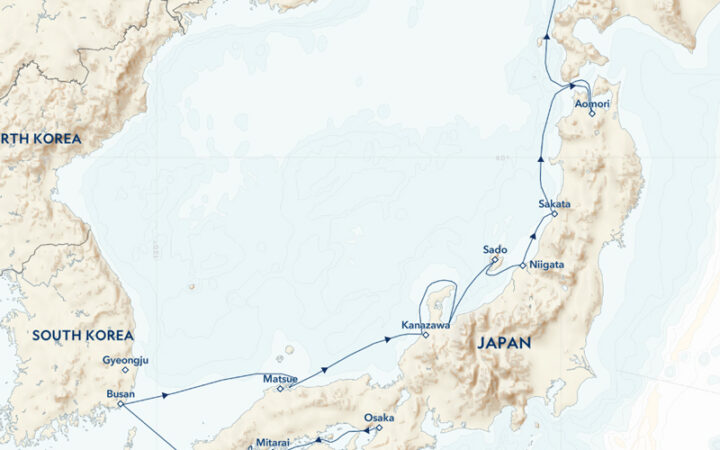
This 12-day exploration of Honshu, Shikoku and Kyushu begins with a hotel overnight in Osaka, and ends back in Osaka following a charter flight from Niigata. The extra day enables a visit to Sado Island, for the Japanese crested ibis, the iconic taraibune tub boats and taiko drumming.
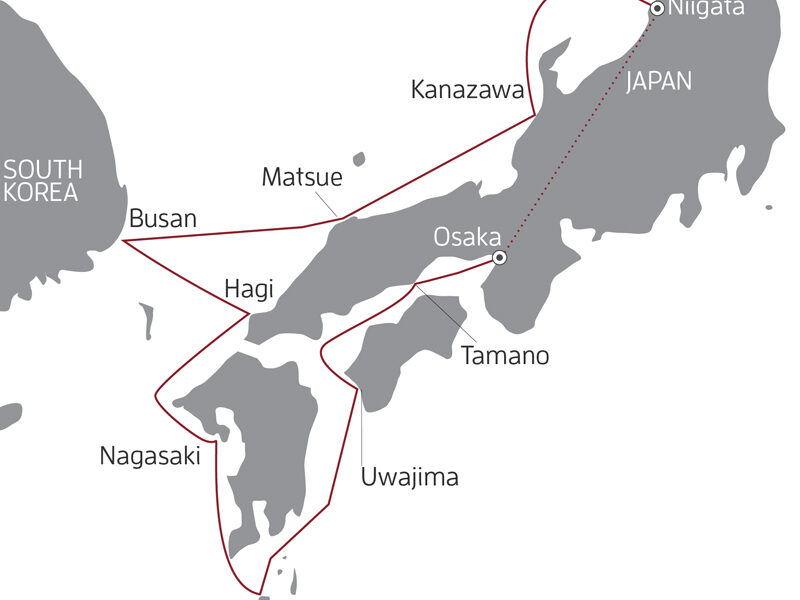
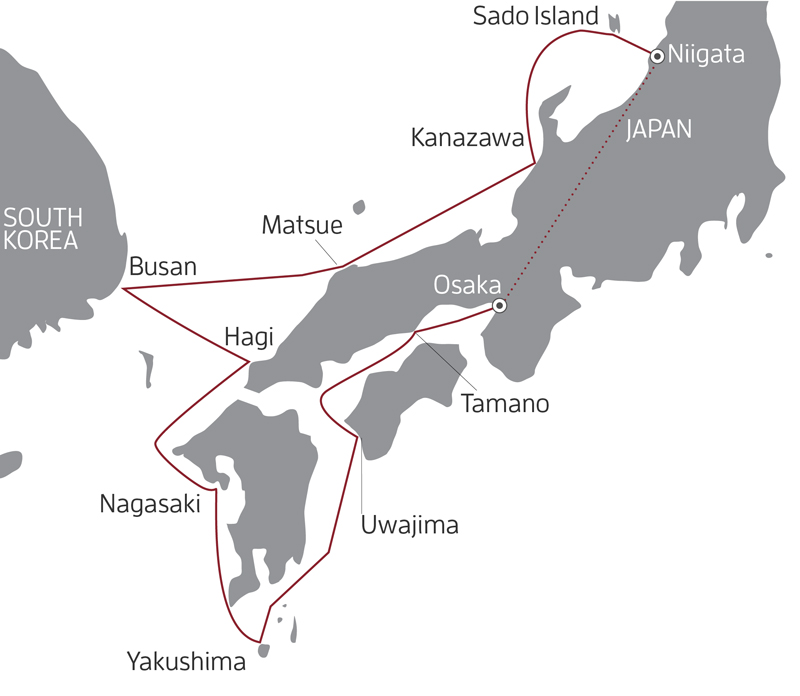
Arrive at Honshu’s largest port city Osaka, where modern architecture and a vibrant dining scene are nestled alongside the 16th Century shogunate Osaka Castle, and make your way to your hotel where the group will spend the first night of the expedition. This evening meet your fellow voyagers and expedition guides over dinner at the hotel.
Enjoy breakfast at the hotel before exploring Osaka. Opportunities here include visiting Minoh Park and Osaka Castle. With an area of just 3.7 square miles (9.6 sq km, or 963 hectares), Minoh Park is one of Japan’s smallest National Parks and home to iconic 108-foot-high (33m) Minoh Waterfall, and diverse wildlife including Japanese giant salamander and protected mino monkeys. Explore Osaka Castle, one of Japan’s most famous landmarks, take in the views from Osaka Castle Main Tower, and relive dramatic stories of warlords and Osaka’s fascinating history.
Alternatively, enjoy an excursion to Kyoto, where you can explore the city’s spiritual heritage at the 12th-Century temple Sanjūsangen-dō and its 1,001 statues. Stroll through Kyoto’s historic and iconic lanes, where 16th-Century geiko and maiko culture is brought to life, before visiting Nishiki Market, known as Kyoto’s Kitchen, to discover the city’s renowned culinary delights. Board the ship as your captain and expedition team welcome you later this afternoon.
From the port of Uno-Ko, visit one of Japan’s most famed gardens, Koraku-en, which translates as ‘garden of pleasure after.’ This 17th Century formal garden has 28 acres of walking trails, ponds, plum and cherry trees. This afternoon, continue to Kurashiki to explore the old merchant quarter and its 17th Century wooden warehouses painted white with traditional black tiles, along a canal framed with weeping willows and filled with koi. There is also a chance to visit the Ohara Museum of Art, which includes rare works by Matisse, Picasso and Renoir as well as collections from Japan’s famous Mingei movement, including ceramics by Hamada Shoji.
This morning, explore Shikoku Island and the port of Uwajima situated deep inside the saw-toothed coast of Uwajima Bay. The city of Uwajima is emerging as the nation’s largest pearl cultivation center and you will learn the process of implanting, harvesting, extracting and sorting pearls on a visit to a pearl farm. You will also see Uwajima Castle, which is built on top of the hill with panoramic views over the town and harbor, and the Tenshaen Garden, built in the Samurai era. Enjoy an afternoon at leisure.
During a morning at sea, sail to the very south of Kyushu and the island of Yakushima. The island became Japan’s first UNESCO World Heritage Site in 1993 and has a particularly diverse flora. Spend the afternoon on a choice of nature walks in Yakusugi Land in Yakushima National Park, home of the endemic Yakushima Macaque, and populated by a number of the island’s ancient cedar trees, such as the Buddha Sugi, Futago Sugi and Sennen Sugi, which are over 3,000 years old.
Arrive this morning in Nagasaki, the second city destroyed by an A-bomb in World War II. Tour the Peace Memorial Park, Atomic Bomb Museum and Dejima Island, which was built during the Edo period to accommodate Portuguese Christian missionaries and prevent the propagation of their religion. It was also the residential quarters of the Dutch, the only foreigners allowed to trade in Japan during the Sakoku (isolation) period. For 200 years, until Japan reopened the country in the 19th Century, Dejima was its only window to the world.
With the reopening of the port to Westerners in the latter half of the 19th Century, Nagasaki blossomed as a prosperous and sophisticated international city. Suitable housing was required for the sudden influx of foreigners who made their homes here and many of the stone and clapboard residences that were built during this period survive today and are preserved in Glover Garden, which you will visit this afternoon. The best known European-style residence here is Glover House, built in 1863, which was the setting for Puccini’s opera Madame Butterfly.
Hagi was a minor fishing port until Mori Terumoto fortified it in 1604 and it was Mori Samurai that helped spark off the anti-Tokugawa revolt in the mid-19th century. Today it is better known for its traditional pottery making. This morning, explore the Teramachi District with its temples and shrines; the Jokamachi District, where you’ll find the old Samurai houses; and also take time to explore Hagi Castle, Shizuki Park and Tokoji Temple.
This afternoon travel to the outskirts of the city and the Yoshika Taibi Memorial Museum, which is dedicated to a large collection of Hagiyaki pottery that was highly prized in the Edo period as wares for tea ceremonies. Alternatively, discover the natural wonders of 300-million-year-old limestone Akiyoshido Cave.
Today, cross the Sea of Japan to South Korean metropolis Busan, known for its beautiful beaches, bustling city streets, Buddhist temples, cinematic legacy, mountains, and the largest fish market in South Korea. This city by the sea is rightly famous for its seafood, surf and street food. Options today could include exploring the labyrinthine streets of Gamcheon Culture Village, decorated with various murals and art pieces crafted by the locals themselves, its brightly colored houses earning it the title ‘the Santorini of South Korea,’ and wandering the endless isles of the Jagalchi Fish Market sampling some of the local delicacies.
One of the few Buddhist temples by the sea, ascend 108 steps to Haedong Yonggungsa Temple which promises to answer at least one wish through sincere prayers. Enjoy a new perspective from roughly 1,350 feet (411m) at BUSAN X the SKY tower. Marvel at the engineering feat and city icon that is the Busan Gwangandaegyo Bridge. And take in natural beauty and cutting-edge design on Dongbaekseom Island, an island of camellia trees and location of Nurimaru APEC House—a contemporary recreation of a traditional Korean pavilion.
This afternoon, arrive at the port of Sakaiminato, entry point to Matsue, known as ‘the town of water’ due to being situated between Lake Shinji and Lake Nakaumi. Plan to visit Matsue Castle, a national treasure and one of Japan’s few largely intact 17th Century castles. Other options today may include exploring Daisen-Oki National Park—steeped in beauty and history, it’s also the home of rare flora and fauna including the giant salamander; visiting the picturesque Yuushien Garden during the iconic annual Yuushien Peony Festival; visiting the Adachi Museum of Art; learning about the art of Japanese paper making at the Yakumo-mura village; or perhaps you may wish to spend some time exploring the picturesque streets and local canals.
Options today include exploring the historic mountain settlement and UNESCO World Heritage Site of Shirakawa-go, high in the remote mountains of the Shogawa River Valley in Hakusan National Park. Take in the sights on mountain walks and experience the unique cultural traditions including the region’s iconic Gassho-zukuri farmhouses, some of which are more than 250 years old, designed to withstand the heavy snow in winter and provide a large attic space for cultivating silkworms.
Alternatively, explore the rich art center of Kanazawa, discovering some of the unique styles of Japanese art. Kanazawa is rightly famous for its Kutani-style pottery, exquisite lacquerware, gold-leaf workmanship, hand-painted silk, and classical Noh dance-drama performed since the 14th Century. Wander winding cobblestone streets, elegant restaurants and craft galleries, and visit the impressive Edo-period Kenrokuen Garden, one of the Three Great Gardens of Japan, and explore the Omicho Market, boasting everything from flowers to crafts and food. This evening, join the expedition team in the Bridge, Observation Lounge or up on the Observation Deck as you set sail for Sado Island.
Today, explore remote Sado Island off the coast of Niigata. Comprising the mountain ranges of Osado and Kosado flanking the Kokunaka Plain, Sado was once a destination of political exile. It now boasts its own rich cultural and religious life incorporating puppet theater, Okesa folk songs, Ondeko drumming and demon dances, and Noh theater, all thanks to some of its more famous displaced figures.
Home to the Japanese crested ibis (extinct on the mainland) and the iconic taraibune tub boats (which you will have the opportunity to experience), this island off the beaten path combines stunning natural scenery including Senkakuwan Bay and Ogi Peninsula, and wilderness and wildlife with a rich history including gold and silver mining, Samurai warrior culture and unique agri- and aqua-culture practices.
Sado Island is widely considered a perfect miniature version of Japan. Here, visit the Shukunegi Village National Important Preservation Area and learn more about traditional taiko drumming at the Sado Island Taiko Center.
This morning, sail into the bustling port town of Niigata, famous for snow, rice, sake, hot springs and the six-arched, granite-sided stone Bandai Bridge, designated as a Nationally Important Cultural Property in 2004 and one of the most scenic spots in the city. Enjoy breakfast before boarding your flight to Osaka Itami Airport.
Included
One night’s hotel accommodation in a twin share room on Day 1 (with breakfast on Day 2), landing fees, pre- and post-cruise transfers (including charter flight from Niigata to Osaka), all onboard ship accommodation with meals, all shore excursions and activities, house drinks (lunch & dinner), expert on board and naturalist guides, post-voyage photos.
Exclusions
All items of a personal nature such as laundry, telephone and WiFi charges; premium drinks; international and domestic flights; and travel insurance (or insurance of any kind).
Payment & Cancellation
In order to confirm this trip, a deposit of 25% is required per person at time of booking. The balance of the trip price is due 90 days before the departure date. Special holiday payment and cancellation terms may apply. Guests who must cancel their trip for any reason must do so in writing. Standard cancellations are subject to the following per-person penalties, based on number of days prior to departure:
Up to 180 days – full refund except for $750 admin fee
179 to 91 days – 100% of deposit
90 to 0 days – 100% of total trip cost
Terms & Conditions
This trip is subject to AdventureSmith Explorations Terms and Conditions. Please read this information carefully and call us if you have any questions. A Traveler Information Form, which includes a release of liability, must be completed and signed by all travelers. Your Adventure Specialist will send you a unique link to complete this form along with a packing list and extensive pre-departure and travel insurance information upon booking confirmation.
Arrival & Departure
The 12-day Discover the Islands of Japan cruise begins and ends in Osaka, Japan (KIX). Plan flights to arrive to Osaka anytime on Day 1 (a hotel overnight is included). Plan flights to depart Osaka no earlier than 1:00pm on the final day. If you would like assistance with international flights, please visit our Booking Flights resource page.
Activities
Whether you are looking for light activity options or more challenging outdoor pursuits, the ship’s crew can tailor most excursions to suit your skill level. Adventure activities may include hiking, inflatable boat/skiff excursions, land treks, wildlife observation (including spotting for birds) and city/village/museum visits.
Room Configuration
Select double-occupancy cabins may be available for single occupancy with a single supplement fee. Solo travelers willing to share can reserve a triple or twin-shared cabin, where you will be matched with a person of the same gender. If the other cabin berth goes unsold, you will be guaranteed the double rate. Single travelers wishing to book a double-occupancy cabin may do so at 1.8x (cabins) or 2x (suites) the per-person listed rate in select cabins based upon availability.
Families & Children
Kids 13 years and older are welcomed aboard all departure dates; exceptions for children 12 years and under may be allowed with special pre-approval.
Travel Insurance
You must have proof of adequate insurance including full medical evacuation cover and coverage for activities including charter flights. Our partners at Travelex Insurance offer a variety of plans and policies to fit every trip and budget. For best value and coverage for pre-existing medical conditions, consider purchasing a policy at time of booking. Learn more about travel insurance or get a free quote.
Itinerary Notes
Use the itinerary as a guide only. Itineraries may be altered due to weather, wildlife, national park regulation or at the captain’s discretion. The ability to be flexible makes this type of small ship cruising unique.
Loading rates & dates…
No upcoming departures available at this time.
No departures match your filters.
Designed for 184 guests, but only carrying 140, the Heritage Adventurer ship offers space to spread out, while also encouraging her small group of travelers to mingle. With various options for dining, viewing, learning and wellness, plus an ice class that remains top of the field, this well-rounded ship is a great option for exploration.
Heritage Adventurer Review
AdventureSmith Explorations’ Heritage Adventurer review includes a detailed description of the small ship including deck plans and a photo gallery. Please read our Heritage Adventurer ship review below then contact our small ship cruise experts to compare the Heritage Adventurer with other small cruise ships and yachts offering Japan small ship cruises, New Zealand small ship cruises, Indonesia cruises and Pacific Islands cruises.
Choose the Heritage Adventurer for a spacious expedition ship with added amenities and a pioneering spirit. She holds records for navigating the farthest northern Arctic and southern Antarctic regions, and for traversing both the Northwest and Northeast Passages. Pair off-ship adventure with onboard comfort via the ship's pool, Jacuzzi and sauna.
History & Design
With a polar-forward design and celebrated history, the Heritage Adventurer cruise ship is often referred to as the Grande Dame of Expedition Cruising. This purpose-built ship began her life in Finland's Rauma shipyard, as the MS Hanseatic. Her 1A Super ice class keeps up with modern-built ships, and her 8,600-nautical-mile range helps enable her intrepid history of exploration.
Onboard Facilities
A variety of sophisticated spaces invite guests to indulge, relax, rejuvenate and learn while aboard Heritage Adventurer; all conveniently accessed via stairs or elevators located both front and mid-ship.
For wildlife viewing, the Deck 7 Observation Lounge features protected, panoramic views, with outdoor 360-degree views available from the Observation Deck above. The Bridge and adjoining chart room (Deck 6) provides opportunities to observe the captain and officers while underway, plus a great space to watch for wildlife.
For education and wellness, a few options exist. The Deck 7 library offers reference materials, while the Deck 2 presentation theater provides a lecture hall for daily talks. Heritage Adventurer's upper zone features health and wellbeing amenities, including a protected Jacuzzi, beauty area, gym, showers and heated outdoor pool with plenty of lounge chairs protected from crosswinds.
Finally, the ship includes a hospital space and onboard doctor on Deck 2, for first response treatment. The shop on Deck 4 is stocked with outerwear, travel essentials and gifts to bring home to loved ones.
For made-to-order drinks, guests can choose from bars on Deck 5 and 7. And when hunger strikes, international fare and everyday favorites are served in the Deck 6 Bistro dining room and lounge, as well as the Deck 4 main dining room. A public restroom is available outside the dining room.
Off-Ship Activities
A fleet of 14 Zodiacs are the ticket to off-ship exploration, letting all guests disembark together. The two-sided mud room provides space for guests to suit up for, or come in from, outdoor activities. Guests can anticipate daily opportunities to experience the wilds in which the Heritage Adventurer ship sails, with options like Zodiac cruises and treks on land.
Crew, Guides & Expedition Leaders
The convivial crew aboard Heritage Adventurer cruise ship is ready to make travelers feel right at home. Crew members aim for personalized, attentive service with a smile. The team of expedition guides aims to answer questions, lead out in the field, and provide regular talks using their expertise as naturalists, botanists and historians.
Cabins & Heritage Adventurer Deck Plan
The Heritage Adventurer ship offers a plethora of cabin options, with 8 categories across 70 cabins and 12 suites, including 2 accessible cabins. Common to all cabin amenities are a comfortable lounge area with sofa, a writing desk, a flatscreen TV, ample storage and a private ensuite bathroom with shower (or marble tub in Heritage Suites).
Current Deals on This Trip
Loading deal details…
Unable to load deal details. View full page →
Learn About the Small Ship on Your Itinerary
The Heritage Adventurer expedition ship offers space to spread out but also mingle. With various options for dining, viewing, learning and wellness, accessibility-minded design, plus a top ice class, this well-rounded ship is a great option for exploration.
Additional Travel Options Before Or After Your Cruise
 Save up to 20%
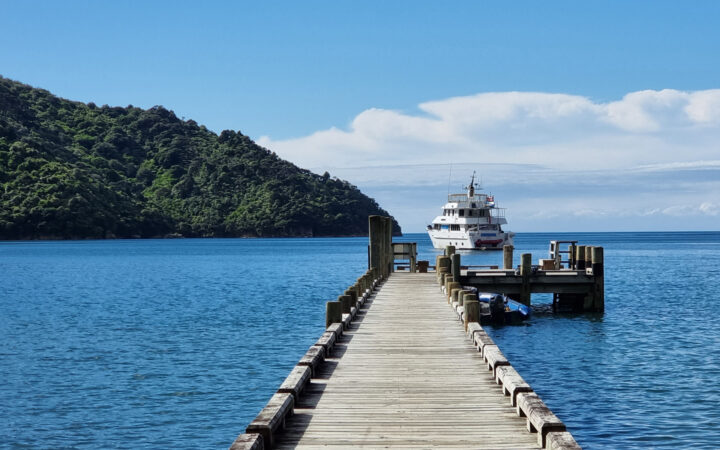
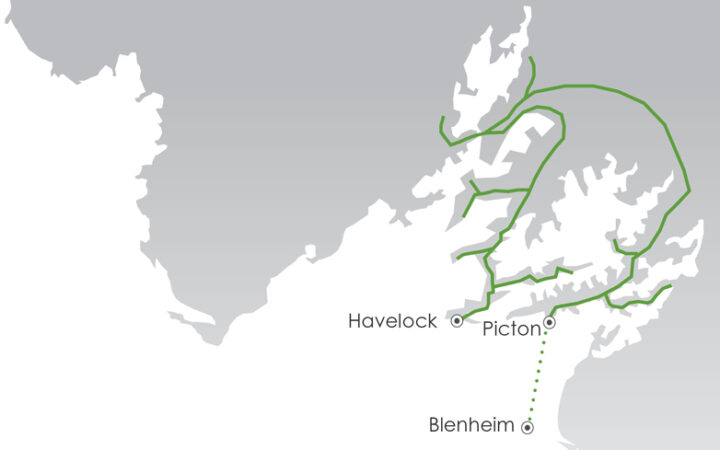
Marlborough Sounds Cruise
South Island cruise through sunny Marlborough Sounds’ coves, history & wildlife
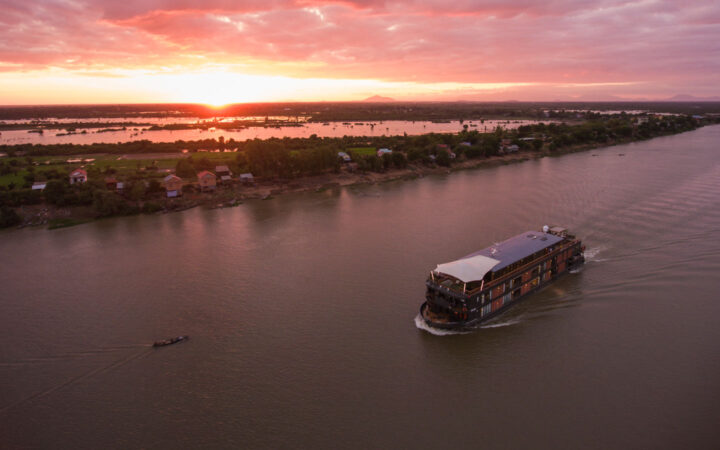
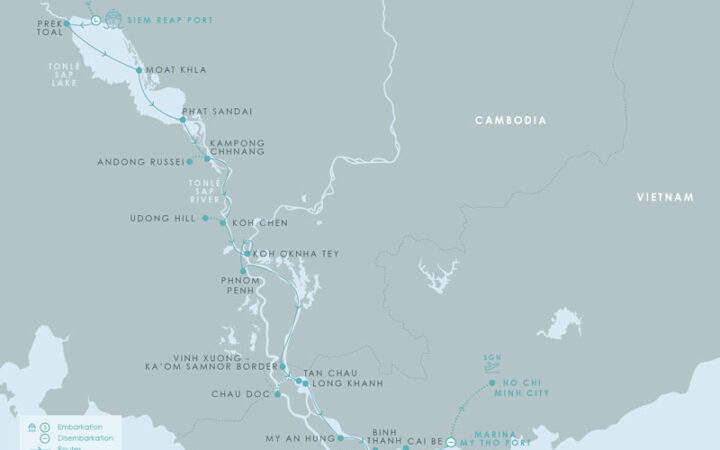
Aqua Mekong River Cruise
Luxury Vietnam & Cambodia with village life & Angkor access
 Save up to 20%
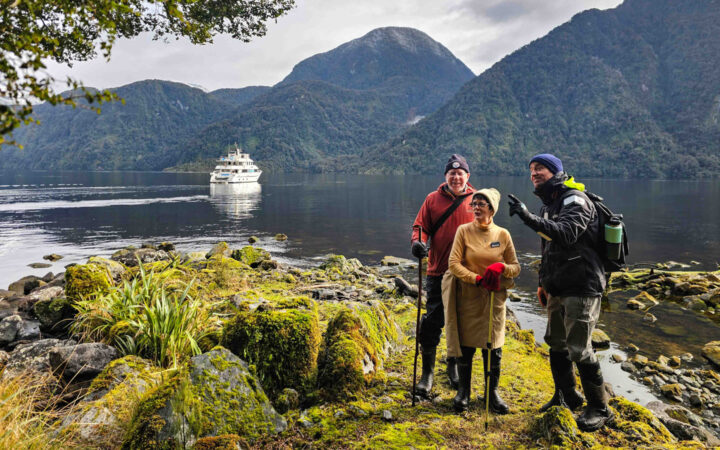
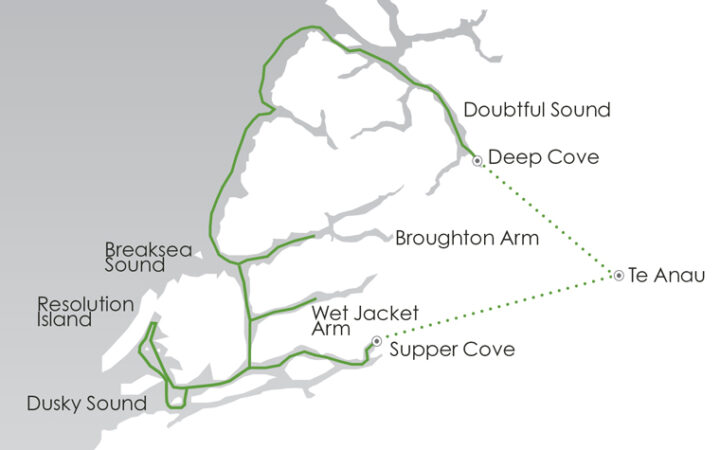
Fiordland Explored: Doubtful & Dusky Sound Cruises
Focused Fiordland voyage featuring the most remote passages: Doubtful & Dusky Sound
Trips You Might Also Like
View All Japan Cruises-
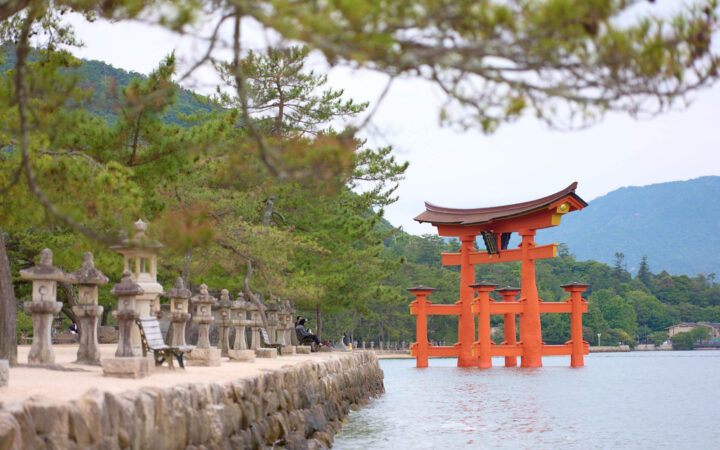
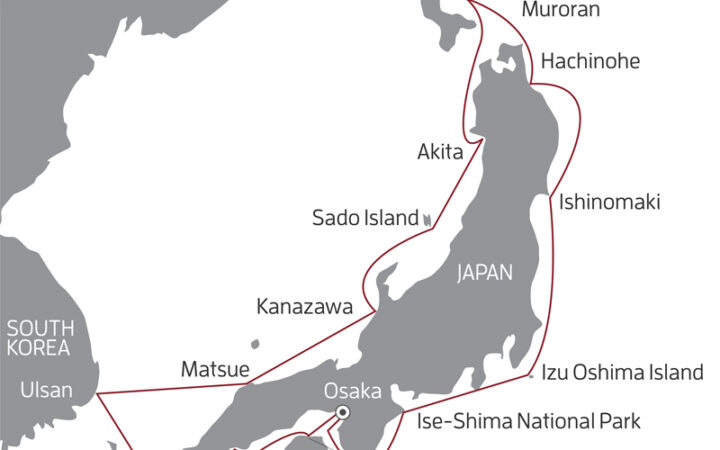 Save up to 20%
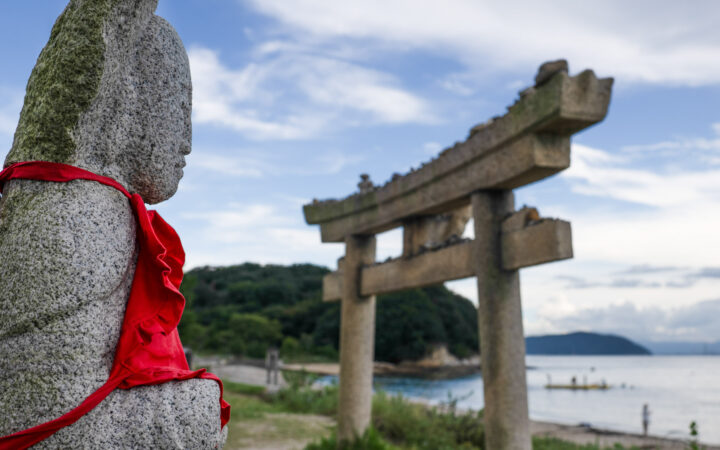
Japan’s National Parks, Art & Culture Cruise
Immersive circumnavigation voyage blending national parks, art & cultural heritage
-
 Save 5% on groups
+1
Save 5% on groups
+1
Coastal Japan: Imperial Dynasties & Modern Culture
Culture-focused Japan with Nat Geo guides & hotel overnights in Kyoto
-
 Save 5% on groups
+1
Save 5% on groups
+1
Japan’s Western Shores: Ancient Traditions & Natural Beauty
Western Honshu & southern Hokkaido with Nat Geo programming



Our experts will save you hours.
A single conversation with us is worth hours of internet scrolling. Find your next best trip with ease, then book with the confidence of our 20+ year experience.