Traversing the Northwest Passage
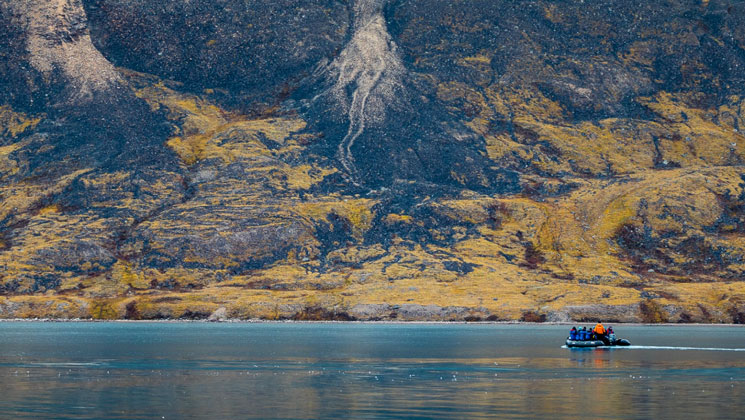
Attempt to sail the full length of the Northwest Passage aboard 132-guest Greg Mortimer. Highlights include visiting Ilulissat Icefjord, a UNESCO World Heritage Site, as well as memorial sites of explorers past, opportunities to spot iconic arctic wildlife, and stunning geology, fjords and glacial valleys.
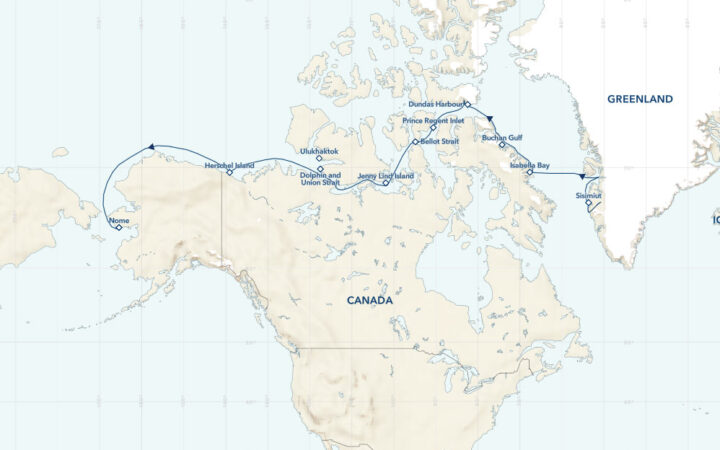
On this epic Northwest Passage cruise—a Polar Expedition inspired by Roald Amundsen’s historic expedition—attempt to sail the full length of the Northwest Passage, carving west through the labyrinthine maze of waterways that hug the fabled islands of Arctic Canada until you reach the Beaufort Sea. Polar Expeditions prioritize the experience over the itinerary, adapting daily to offer the optimal experience per weather, wildlife, tides and ice conditions.
Visit historical sites explored by heroic explorers, meet the incredible folk that call this region home and search for enigmatic wildlife found in this unique corner of the world. Pack ice may halt the voyage through the passage, so brace yourself for a genuine expedition where adventure awaits at every turn.
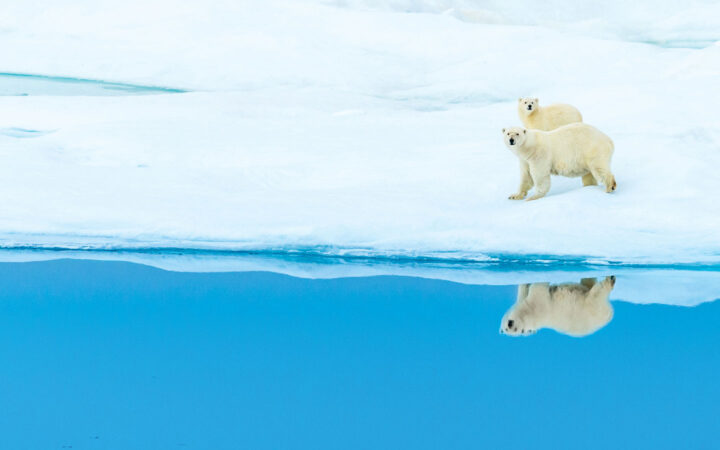
Highlights of this Traversing the Northwest Passage cruise include: Standing in awe of Ilulissat Icefjord, a UNESCO World Heritage Site. Hiking on Devon Island, the world’s largest uninhabited island, which features stunning geology, fjords and glacial valleys to explore. Visiting memorials and graves of explorers from John Franklin’s expedition, on Beechey Island. Keeping watch with the hope of spotting iconic Arctic wildlife including musk ox, polar bears, beluga whales, walrus and perhaps narwhal. And savoring every moment of adventure.
Cruise aboard the adventure-ready polar expedition ship Greg Mortimer for their state-of-the-art design and technology, plus excursion-minded preparation rooms and multiple boarding platforms for efficient embarkation and disembarkation. Averaging 132 guests, these small ships offer a generous guest-to-guide ratio, with an educational and engaged team of expedition guides providing programming aimed at immersion into the surrounding polar wilds.
Read on for details about this trip, or learn more about AdventureSmith’s Northwest Passage cruises, along with other Greenland small ship cruises, Canada small ship cruises, Alaska small ship cruises, Arctic cruises and Arctic trips.
Traversing the Northwest Passage Itinerary
Follow the path of Roald Amundsen’s historic expedition over 30 days on this epic Polar Expedition where adventure awaits at every turn.
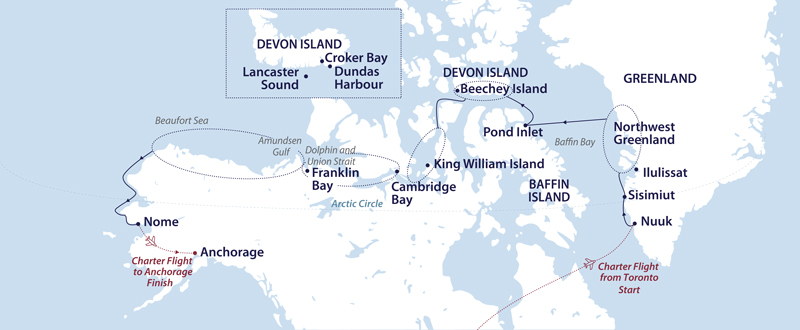
Having made your way to Toronto Airport, check-in at the group hotel located near the airport for an overnight stay. Please visit the hospitality desk to collect your luggage cabin tags and to speak with the ground operations team, who may have information to share with you about pre-embarkation procedures and also about the charter flight to Kangerlussuaq tomorrow. You will receive cabin tags for your luggage. Please clearly label the tags with your name and ship cabin number.
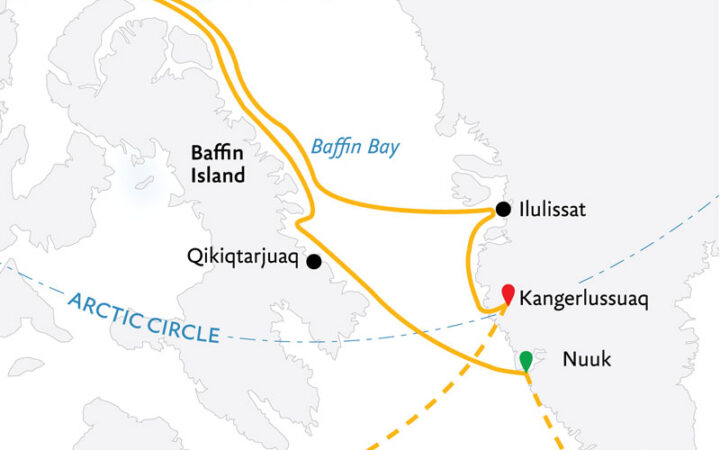
After breakfast at the hotel, board your charter flight to Nuuk, Greenland, where your vessel awaits. After boarding, there is time to settle into your cabin before important safety briefings. This evening, meet your expedition team and crew at the captain’s welcome drinks.
Greenland’s second largest town, Sisimiut, is located approximately 33.5 miles north of the Arctic Circle, meaning that during summer, you can experience the midnight sun here. The town is famous for the old blue church with the gate made of whale bone. In the cozy museum next door to the church, you will find an excellent reconstruction of an Inuit turf house as well as exhibits of local history and early life in Greenland.
Sisimiut offers hiking trails with various degrees of difficulty. The easier trails take you through the town itself, its outskirts and into the mountains, where you will find spectacular vantage points.
Approximately 4,500 years ago, the Saqqaq culture arrived from Canada and settled in the area. They lived here for approximately 2,000 years, after which they mysteriously disappeared from the area. The Dorset culture arrived around 500 CE and stayed until the 1200s until they were replaced by the Thule culture, and today, the majority of the population of Sisimiut are descendants of the Thule culture.
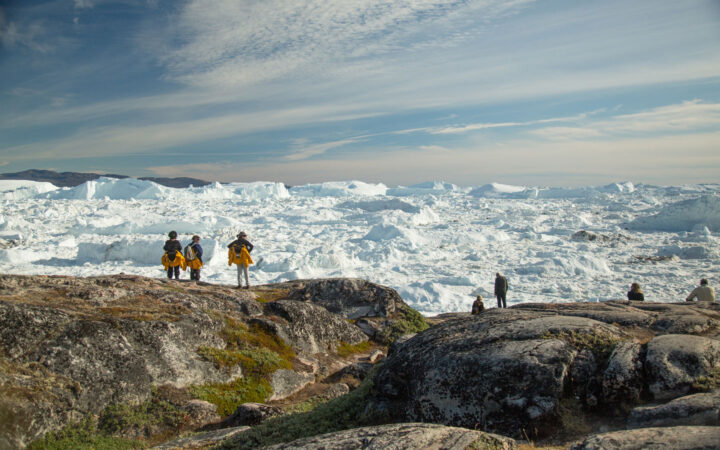
In the afternoon, arrive in Ilulissat. Known as the birthplace of icebergs, this region produces some of the most dazzling icebergs found anywhere in the Arctic. Hike past the husky sledge dogs to the UNESCO World Heritage-listed Icefjord and stand in awe at its immensity. Sermeq Kujalleq, also known as Jakobshavn Glacier, is the most productive glacier—not only in Greenland but the entire Northern Hemisphere. It produces 20 million tons of ice each day, all floating into the Ilulissat Icefjord and Disko Bay.
Explore the northern stretches of West Greenland, home to traditional settlements and enormous icebergs that Greenland is famous for. Possibilities include Zodiac cruises, hikes and a visit to one of the small communities that are dotted along the coast. Kayakers can enjoy paddling among the icebergs and keeping watch for whales that frequent the area.
The ship’s team of experts entertain with informative talks about wildlife, geology and epic tales of early explorers such as Franklin and Amundsen.
After clearance into Canada, hope to visit Pond Inlet (Mittimatalik), a captivating Inuit community nestled on the northern tip of Baffin Island. Surrounded by towering ice-capped mountains, vast glaciers and pristine fjords, this remote outpost offers an unparalleled wilderness experience. As you step ashore, you’ll be greeted by the warm hospitality of the local Inuit, whose deep connection to the land is evident in their culture and lifestyle. Immerse yourself in their traditions through engaging cultural encounters and gain insights into their unique perspective on life in the Arctic.
At a latitude almost 75° degrees north, you are now truly in the High Arctic. Here, nutrient-rich waters support an abundance of wildlife, giving the area the moniker “wildlife super highway” of the Arctic. Devon Island is the largest uninhabited island on Earth and features stunning geology, with flat-topped mountains and glacial valleys giving Devon Island its unique character. Hope to visit Dundas Harbor to enjoy walks on undulating tundra, and perhaps some birdwatching. Other possible places you might visit include Croker Bay and Maxwell Bay. A dilapidated Royal Canadian Mounted Police outpost and remnants of a Hudson’s Bay Company trading post can be found here. In the bay, walruses are often present.
Plan to land at Beechey Island, at the western end of Devon Island. Named after Frederick William Beechey, the island is one of Canada’s most important arctic sites and is a designated Canadian National Historic Site. During the Franklin expedition of 1845–46, Franklin attempted to sail through the Northwest Passage with HMS Erebus and HMS Terror, with perilous results–three of his men are buried here. Roald Amundsen landed at Beechey Island in 1903, during the first successful voyage by ship to fully transit the Northwest Passage from the Atlantic Ocean to the Pacific Ocean.
In true expeditionary style, the itinerary for the following days is heavily dependent on unpredictable sea ice. The following places are on the tentative agenda:
Prince Leopold Island
On the southern side of Lancaster Sound from Beechey Island lie the towering bird cliffs of Prince Leopold Island, a historic site where in 1848, English explorer James Clark Ross overwintered during the search for the missing Franklin expedition. Prince Leopold Island is the most important bird sanctuary in the Canadian Arctic, with approximately 500,000 birds nesting here in summer. Ringed seals are often spotted on the sea ice around the island and polar bear often lurk nearby. The shallow gravel beds attract beluga whales, who come to molt in this part of the Arctic each summer.
Port Leopold
Port Leopold, a barren, windswept bay on the northeastern corner of Somerset Island (Inuktitut Kuuganajuk), is steeped in history. Here, the crews of HMS Enterprise and Investigator were forced to endure a harsh winter while searching for the lost Franklin expedition. Their presence is indelibly marked on a rock engraved with “1849” and the ships’ initials. The desolate landscape is punctuated by a lone Hudson Bay Company hut, a failed trading post from the 1920s. Hikers will have the opportunity to explore the coastline, discovering the historic Hudson Bay Company house and intriguing Inuit archaeological sites. Be amazed by the otherworldly formations shaped by the region’s freezing and thawing cycles, which our expedition team will detail during recap. Nearby, a cairn marks the spot where Ross’s rescue expedition left vital supplies.
Hazard Inlet (Qariaraajuk)
Hope to visit an Inuit site inhabited by bowhead whale hunters during the 15th and 16th centuries. The remains of over 100 bowheads are scattered across the village and beach, a testament to the community’s reliance on this marine giant. Excavations have uncovered around 20 sod houses, though evidence suggests there may have been as many as 40. The cliff face behind the site holds community burial grounds, while caches, kayak and umiak stands line the shore. This remarkable site offers a poignant glimpse into the lives of these Inuit families, who worked cooperatively to hunt bowhead whales for sustenance and building materials. It’s an extraordinary privilege to experience this piece of history firsthand.
Point Zenith
Point Zenith, a rocky promontory jutting into the ocean, offers breathtaking panoramic views. As you step ashore, you’ll feel a profound sense of isolation and wonder. This is a place where time seems to stand still, and the only sounds are the wind and the crunch beneath your boots.
King William Island
In 1859, a Franklin expedition tent camp was discovered at Cape Felix. Remains attributed to the Franklin expedition have been found at 35 locations on King William Island and on nearby Adelaide Peninsula. South of Cape Felix, in Victoria Strait, hope to visit Victory Point and get close to where the HMS Erebus and HMS Terror were abandoned in 1848.
Cambridge Bay (Iqaluktuuttiaq)
The administrative and transportation hub of the region, Cambridge Bay (Iqaluktuuttiaq) is the largest stop for passenger and research vessels traversing the Northwest Passage and unofficially marks the midpoint for voyages of the Northwest Passage. Zodiac ashore for an exploration of this Inuit settlement located in the high Arctic. Enjoy a walk through the village, where you can visit the local church, visitor center and support the local community by purchasing some locally made handicrafts.
Your experienced expedition team will create your day-by-day itineraries based on sea ice and weather conditions. Apart from Franklin, other heroic explorers including Amundsen explored this territory, and you may visit the same places as early explorers. Hope to meet the resilient locals who make the extreme far north their home.
Below are some of the places in the area that you may visit:
Johansen Bay, Edinburgh Island
Hope to enjoy a Zodiac excursion within an estuary of at the northeast end of Johansen Bay and up the river towards the lake. Wildlife including caribous, reindeer, arctic foxes, hares and peregrine falcons frequent the area.
Nearby, Edinburgh Island (Egloovikan) is a small and uninhabited island in Canada’s Nunavut region. The scenery consists of colorful flowering shrubs and beaches tinged in stunning ochres, while the surrounding cliffs are shaded in rich, deep tones. A possible walk to a lookout overlooking the lake offers spectacular views over lakes, sea and mountains.
Port Epworth (Kugluktoalok)
The Tree River area on the mainland—also known as Port Epworth—provides a spectacular backdrop for possible exploration, with its river and shallow lakes, striking sedimentary rock outcrops, and bright autumnal colors of tundra. This area is also known for its stromatolites–the petrified remains of ancient mounds of algae, formed some two billion years ago by the same microorganisms responsible for producing the oxygen we breathe today.
Smoking Hills, Franklin Bay
The smoking Hills in Canada’s Northwest Territories have been smouldering, sending plumes of gas across the landscape, for centuries. Technically sea cliffs, you would be forgiven for thinking that the multicoloured fiery natural phenomenon is the set to an apocalyptic movie depicting the end of the world. The smoke is caused by layers of combustible, sulphur-rich lignite (brown coal) that ignites and emits sulfurous gas into the air, when exposed to erosion and landslides, which also creates a dazzling coloration of the rocks.
Excitement builds as you sail the Beaufort Sea. Whether you are out on deck or in the comfort of one of the observation lounges, watch as the captain navigates your state-of-the-art vessel through these waterways, which are frozen for most of the year. Keep a close watch for wildlife including beluga whales and polar bears that are often seen here.
Cruising further west, hope to Zodiac cruise (subject to permitting) to Herschel Island. This historic island, inhabited by the Thule people for over a millennium, was first charted by Sir John Franklin in 1825. It later transformed into a bustling whaling station during the late 19th century, supporting a winter community of hundreds and a fleet of ships. However, the industry’s decline in the early 20th century led to the island’s gradual abandonment. Today, protected as a territorial park, Herschel Island offers a unique glimpse into the region’s rich history and stunning Arctic wilderness.
At Prudhoe Bay, say farewell to Canada and enter the United States.
As you sail westwards to Nome, along the northern coast of Alaska to where the U.S and Russia are only 60 miles (100 km) apart, separated by the Bering Sea, there is ample time to reflect on your adventures while scanning the water for marine life. Share, edit and submit pictures in the photo competition and attend final lectures from your team of onboard experts. Hope to get permission to ship cruise close by Point Hope, Little Diomede and King islands in Alaska.
In Nome, say farewell to the crew and expedition team after sharing a once-in-a-lifetime voyage together. Disembark and transfer to the airport for a charter flight to Anchorage, where you will stay overnight. A box lunch is provided upon disembarkation, and dinner is on the charter flight.
Check out of your room and continue your journey in Anchorage or transfer to the airport to head home.
Included
All airport transfers mentioned in itinerary; one night’s hotel accommodation in Toronto on Day 1 (including breakfast on Day 2); charter flight from Toronto to Nuuk on Day 2; group transfer from the pier to airport on Day 28; charter flight from Nome to Anchorage (Economy Class) on Day 28; one night’s hotel accommodation in Anchorage on Day 28 (including breakfast on Day 29); onboard accommodation during voyage including daily cabin service; all meals, snacks, tea, coffee, soft drinks and juices during voyage; beer and house wine with dinner; Captain’s Welcome & Farewell reception including four-course dinner, house cocktails, house beer and wine, and non-alcoholic beverages; all shore excursions & Zodiac cruises; educational lectures and guiding services from expedition team; complimentary access to onboard expedition doctor and medical clinic (initial consult); a 3-in-1 waterproof polar expedition jacket; complimentary use of muck boots during the voyage; comprehensive pre-departure information; port surcharges, permits and landing fees; WiFi (where connection is possible); crew gratuities (suite guests only).
Exclusions
International or domestic flights, unless specified in the itinerary; transfers not mentioned in the itinerary; airport arrival or departure taxes; passport, visa and vaccination charges; travel insurance, emergency evacuation charges or personal insurance (required); hotels and meals not included in itinerary; optional excursions not included in the itinerary; optional activity surcharges; all items of a personal nature including but not limited to: alcoholic beverages and soft drinks (outside of dinner service), laundry services, personal clothing, medical expenses or phone charges; automatic crew gratuities of $15 per person, per day (non-suite guests) which may be removed or amended at the end of the cruise.
Payment & Cancellation
In order to confirm this trip, a nonrefundable deposit of 25% of the total trip cost is required per person at time of booking (additional nonrefundable $250 deposit is required for optional activities). The balance of the trip price is due 120 days before the departure date. Special holiday payment and cancellation terms may apply. Guests who must cancel their trip for any reason must do so in writing. Standard cancellations are subject to the following per-person penalties, based on number of days prior to departure:
120 days or more – 100% of deposit
119 to 0 days – 100% of total trip cost
Terms & Conditions
This trip is subject to AdventureSmith Explorations Terms and Conditions. Please read this information carefully and call us if you have any questions. A Traveler Information Form, which includes a release of liability, must be completed and signed by all travelers. Your Adventure Specialist will send you a unique link to complete this form along with a packing list and extensive pre-departure and travel insurance information upon booking confirmation.
Arrival & Departure
The Complete Northwest Passage cruise begins in Toronto, Canada (YYZ), and ends in Anchorage, Alaska (ANC). Plan flights to arrive to Toronto any time on Day 1, but we highly recommend arriving one day prior to your trip start date in case of any flight delay, cancellation or lost luggage issues. Plan flights to depart Anchorage any time on Day 30. Airport shuttles are provided by the hotels for your arrival & departure. If you would like assistance with international flights, please visit our Booking Flights resource page.
Internal Flights
Two group charter flights are required on this trip’s itinerary and are included in the listed per-person cabin rates: 1) from Toronto to Nuuk 2) from Nome to Anchorage. All transfers between the airport and hotels for these charter flights are included. Luggage weight limits for the charter flights are 50lbs for a checked bag, carry-on bags must be under 10 inches by 18 inches by 22 inches (26 cm x 46 cm x 56 cm) with a max weight of 22lbs/10kg.
Activities
Birdwatching, walking, Zodiac cruising, photography tips, lectures, a polar plunge & all trips ashore are included in the rate. Add on kayaking ($1,440 in 2026) to join 20 like-minded paddlers (in small groups of 10 per guide) to fully experience nature at its wildest. Please contact AdventureSmith for further details and to reserve space with your booking.
Room Configuration
Single travelers wishing to book a double-occupancy cabin may do so at a 50% supplement of the per-person listed rate in select cabins upon availability. Starting April of 2026, select double-occupancy cabins are available with no single supplement; inquire with your Adventure Specialist for details and availability. Solo travelers willing to share may be matched with a person of the same gender, and if the other cabin berth goes unsold, will only pay the standard double-occupancy rate.
Families & Children
Kids 8 years and older are welcomed aboard all departure dates. Children between 8-17 years of age must pay the adult price of the expedition.
Travel Insurance
A medical form for all travelers, signed by their doctor, is required for every departure. Comprehensive travel insurance is mandatory for this trip, with a minimum required coverage of $250,000 USD per person, covering medical, accident and repatriation/emergency evacuation, as well as baggage loss and cancellation or curtailment of holiday. In addition, we highly recommend our travelers protect their investment with travel insurance that includes trip cancellation and other benefits. Our partners at Travelex Insurance offer a variety of plans and policies to fit every trip and budget. Coverage for a pre-existing medical condition is also available if you purchase the Travel Select plan within 15 days of the initial trip payment; refer to plan details. Learn more about travel insurance or get a free quote.
Itinerary Notes
Read this itinerary as a guide only; the exact route and program varies according to ice, weather conditions, wildlife encountered and the captain’s discretion. Flexibility is the key to the success of any Arctic expedition.
Loading rates & dates…
No upcoming departures available at this time.
No departures match your filters.
The Greg Mortimer is an adventure-ready expedition ship designed for comfortable cruising in rugged, remote areas. Built and launched in 2019, this activity- and conservation-minded vessel honors the esteemed Australian mountaineer of the same name. It is the sister ship to the Sylvia Earle and Douglas Mawson, and accommodates an average of 132 guests in 79 cabins. All cabins have ocean views and 85% have balconies.
This is the first passenger ship to feature the patented X-BOW® icebreaker hull. The design allows it to cross oceans more efficiently and comfortably. Its ice class 6 rating enables it to operate year-round in polar environments. Its ability to venture farther, paired with a design optimized for active off-ship excursions, sets the stage for incredible and far-reaching experiences.
This version of Greg Mortimer's cabin categories and amenities is for her Aurora Expeditions voyages. The Greg Mortimer: Lindblad also sails with a slightly different deck plan for other itineraries.
Why Sail Aboard Greg Mortimer
Choose the Greg Mortimer cruise ship for its spirit of adventure, focus on active excursions and novel design. Stemming from 25 years of polar expertise, its design enables unique vantages to experience the polar world. There are well-thought spaces to prepare for outings, and efficient means of on- and off-boarding guests for outdoor adventures. This state-of-the-art expedition vessel offers the ideal base camp for adventures at the outer limits of exploration. Greg Mortimer is certainly a top choice if you are seeking a purpose built, activity-minded, ice-class global expedition ship or Antarctica ship.
AdventureSmith Explorations has been aboard the Greg Mortimer firsthand. Read our dedicated Greg Mortimer Ship Review, written by our founder and president who sailed aboard the ship in Antarctica. Or consult this page further for a detailed description of the Greg Mortimer, including ship specs, deck plan, cabin images, photo gallery and current links to all the trips it sails. We can help compare the Greg Mortimer with other small cruise ships offering Northern Europe small ship cruises, small ship cruises in Australia, New Zealand small ship cruises, Antarctica cruises and Arctic cruises, including Greenland cruises and Iceland cruises.
Design, Sustainability & Accessibility
Purpose built and small enough to go where others cannot, the ship was designed in consultation with expedition leaders. The Greg Mortimer is designed for extreme conditions, active explorations, wildlife watching, education and learning, and a comfortable onboard experience.
Ulstein X-BOW®
The ship was designed and built by the Norwegian ship builders Ulstein Group. MV Greg Mortimer ship is the first tourist expedition ship in operation to offer Ulstein’s innovative, signature bow—the X-BOW®. This patented, inverted bow design is already used on over 100 vessels in commercial shipping. It enables increased sustainability, efficiency, safety and stability in polar regions. This state-of-the-art design, combined with Rolls Royce dynamic stabilizers, offers more comfortable cruising in rough seas, including the Drake Passage.
Moving among landing sites more efficiently lessens the ship's environmental impact, reducing fuel consumption up to 80% compared to older ships. This bow design also creates space for windows close to the water. Guests can view straight ahead and down into the ocean from a vantage point not possible with older ships that feature a traditional bulbous bow. This translates into the ability for passengers to appreciate the majesty of an iceberg immediately as it appears on the horizon.
Combine the bow design with multiple observation decks, including observation wings that extend out from the sides of the ship, and Greg Mortimer is a top choice for viewing the polar environment from the ship. The ship's larger volume displacement in the fore, plus inverted bow and slender hull lines offer higher fuel efficiency, less loss of speed in waves, more stability in turbulent waters, softer entry into waves, low acceleration levels, less spray, less slamming and bow impact, and reduced vibration. Additionally, Zero Speed™ dynamic stabilizers help create unrivaled stability and comfort.
Zodiac Launching Platforms
The ship carries 15 Zodiacs for off-vessel explorations. Board Zodiacs via four dedicated launching platforms accessed at sea level from the mudroom. These launch platforms make boarding the Zodiacs quick, efficient and safe. Wait times are minimized, getting you closer to the action for longer. Whether you’re Zodiac cruising through awe-inspiring fjords in search of wildlife or making a quick transit from ship to a shore landing site, these sturdy crafts will play an integral role in your expedition experience.
Activities Platform
Spacious activity preparation areas and loading platforms were designed and built in consultation with expert activity guides. A range of add-on adventure activities from kayaking and diving to climbing and ski touring may be available. This expedition ship is designed to support these activities, making the transition from ship to sea or shore as smooth and efficient as possible.
Hydraulic Viewing Platforms
In addition to onboard observation areas, the Greg Mortimer features unique hydraulic viewing platforms. Designed in conjunction with Greg himself, these platforms can be used in calm waters during gentle cruising or when the ship is stationary. The fold-out design provides unobstructed views of passing marine life and seabirds.
Responsible Travel Features
Preserving and protecting the environment is reflected in several features of the ship. This ship boasts one of the lowest polluting marine engines in the world due to low energy consumption, high fuel-efficiency and a streamlined design to deliver an 80% reduction in emissions (Compared to Tier 1 engines). The ship also features virtual anchoring to hold its position using a combination of GPS, steering technology, propellers and thrusters. This protects the sea floor and minimizes the damage caused by conventional anchors.
Safety Features
The Greg Mortimer cruise ship features industry-leading safety technology that exceeds the requirements for a ship of this size. Additionally, its world class return-to-port equipment duplicates the propulsion system. This provides a back-up means to maintain operating systems in the event of engine failure. The Greg Mortimer ship is Ice Class 1A and Polar Code 6 compliant, it holds the BV (Bureau Veritas)* class and is fully compliant with the latest SOLAS requirements. The ship also features a fully-stocked medical clinic designed for use in remote areas.
Onboard Facilities
Designed by Aurora Expeditions, an Australia operator with decades of polar cruising experience, the social areas focus on comfort, efficiency and views. Wide corridors and stairways combined with high ceilings give the ship a spacious feeling. A central elevator and stairway provides easy access to all decks. Water bottle refill stations encourage guests to stay hydrated and conserve glassware. Striking polar art is prominent throughout the ship and in cabins. Some hallways act as galleries with historical images and interpretive information accompanying each photo, or offer a bulletin of guest and crew photos with names.
Lecture Theater & Lounge
Naturalists, expedition leaders and local specialists offer presentations on their area of expertise to deepen your understanding of the region you’re visiting. Join the team in the lecture theater for presentations covering topics as broad as history and culture, biology and climate change. Lectures and presentations have one thing in common: they all aim to engage, educate and entertain.
The lecture theater and lounge comfortably accommodates all guests in a variety of seating arrangements. Clever rows of high-back barstool chairs, cocktail tables and cushy swivel chairs maximize space and ensure everyone can see and hear lecturers. Groups of sofas and chairs underneath large view windows line the sides of the room and are utilized frequently outside of formal lecture times. Numerous screens, a state-of-the-art lectern and a cutting-edge sound system ensure no lecture details are missed.
Dining, Bars & Lounges
Guests are treated to an array of food options with hearty meals and delicious morning/afternoon teas. Greg Mortimer features two restaurants: the main venue serving buffet-style family meals with à la carte dinner and reservations-required concept restaurant the Tuscan Grill. The Tuscan Grill is an Italian-style menu and reservations are made onboard through reception. It is included in the cost and open nightly.
Viewing windows keep the polar environment in sight while guests dine. Tea, coffee and snacks are available 24 hours a day. The menu changes, but consistently features meat, poultry, fish and vegetarian options. A fixed menu of steaks, chicken and fish prepared to order is always on offer. A variety of house wine, beers and soft drinks also rotates with each sitting and are complimentary.
The bar area outside the lecture theater and lounge, known as the Elephant Bar, is the social heart of the ship. Tables and chairs near large ceiling-to-floor windows are occupied throughout the day. A large central bar staffed by efficient and engaging tenders offers a wide variety of beer, wine, champagne and spirits, with a nightly cocktail special and appetizers served each evening. This bar hosts daily happy hour for guests and expedition leaders to mingle.
Mawson’s Bar on Deck 7 is another popular social area with a totally different feel. A 180-degree wall of windows allows outdoor viewing in warmth and comfort. Doors to the outside observation deck allow guests to pop in and out, retreating indoors when it's cold outside. Similar cocktail tables and high bar-stools provide a variety of seating with unobstructed views.
Walk inside at the front of Deck 8 to enjoy an enclosed observation lounge. This lounge includes a bar, ceiling-to-floor panoramic windows, wildlife guides, books and binoculars. This set up encourages passengers to relax and share the day's highlights with newfound friends. Deck 8's open-air BBQ area is ready to host a special meal on a spectacular day. The two Jacuzzis and two plunge pools at the back of Deck 8 offer a tranquil and refreshing experience between activities.
Observation Decks
Multiple observation decks spread throughout the ship is designed for wildlife watching, scenic views, outdoor gatherings and photography. Outdoor observations are located on decks 5, 7 and 8. Deck 5 includes sheltered viewing platforms on starboard and port near the front of the ship. This deck also features the special hydraulic viewing platforms that extend out from near the bow. The aft of Deck 7 offers a large sun deck to enjoy on a calm day. The fore of Decks 7 and 8 features a teak, wraparound observation deck, extending onto outdoor walkways along both sides of Deck 8.
Spa, Sauna & Gym
Relaxing treatments in the Wellness Center spa encourage one to unwind after a day in the polar elements, as does the wooden sauna with a floor-length viewing window. The gym enables guests to maintain fitness routines with weight machines, spin bikes and treadmills.
Library
With floor-to-ceiling windows, the library is a peaceful sanctuary to relax, read, organize photos or play board games with newfound friends. No need to pack a wildlife guide with an ample selection of informative nonfiction titles, guidebooks, travel journals, historical journals, coffee table books, novels and a selection of children's books. Wildlife guides, books and binoculars can also be found on the observation lounge on Deck 7.
Mudroom
The specially designed mudroom is the launchpad for off-vessel shore excursions and activities. Guests have access to an open locker storage area for boots, jacket, personal flotation device and other outerwear. This removes the need to store these wet items in one's cabin. Rapid drying areas for drysuits and wetsuits provide the best opportunity for gear to dry out between outings. Four launching platforms from the mudroom efficiently embark Zodiacs for off-vessel explorations.
The mudroom also features bio-security clearance zones for washing and cleaning boots or outerwear as required. This ensures the polar surroundings remain pristine. Activity preparation areas, laser scanning technology and four dedicated, sea-level Zodiac loading platforms along both sides as well as the rear of the ship enable efficient ship-to-shore operations for guests and the 15 Zodiacs carried on board.
Other Facilities
The Greg Mortimer boat offers accessibility via an elevator serving all six guest decks. The ship's shop provides memorable gifts to bring back home and also supplies crucial forgotten items. On board, enjoy satellite WiFi throughout the ship. The open bridge welcomes guests for a visit with its modern and spacious viewing area. A lack of guest seating in the wheelhouse discourages lingering too long so that everyone has access.
Activities & Expeditions
The Greg Mortimer ship is designed to keep passengers engaged while cruising. Its heart lies in off-ship immersions into the unique environments in which it sails. Whether you seek adventure on land or at sea, a huge range of optional activities make the most of your experience in some of the most beautiful places on earth. This is the ship to nurture your inner adventurer.
All cruises include expected activities such as shore hikes, small craft explorations and photography. The menu of optional activities and the dedication to active exploration distinguishes cruises aboard this ship. Choose from sea kayaking, camping, snowshoeing, ski or snowboard touring (when available), scuba diving, snorkeling, stand-up paddleboarding, or alpine trekking and climbing. These optional activities will be your main mode of exploration through your trip. Guides will assess the conditions at each landing with an effort to join whenever conditions allow. Optional activities are popular and group sizes are limited. If you are interested, plan to book early. Additional fees apply.
Crew, Guides & Expedition Leaders
Up to 20 expedition guides aboard each departure help create a focus on immersion into the polar wilds in which the ship sails. Educational and entertaining guides keep guests engaged on topics such as history, culture, biology and climate. Naturalists and local specialists aim to deepen passengers' understanding of the region in which they're traveling. Each departure's 71-80 well-trained, international crew members are ready to make polar dreams come true, with an eye for detail and a passion for fun.
Each evening, guides conduct a review/preview lecture and slideshow to review the day's events and prepare guests for the next day. The tag-team nature of their presentations ensure there is always an expert to handle any question and the variety of disciplines overlap and enrich the topic at hand. Formal guide lectures during days at sea provide a foundation of knowledge that enhances the Greg Mortimer Antarctica ship experience.
Cabins & Greg Mortimer Deck Plan
All cabins are comfortable, with neutral tones and earthy touches of wood and stone. Each stateroom or suite offers the option of one king-size bed or two twin beds; spacious, private ensuite bathroom with heated floors, toilet and separate vanity sink; room-controlled thermostat; safe; 42-inch flat-screen TV; desk area; closet space; one mug and drink bottle per guest; and electrical outlets serving 220 volts, 60 hertz AC via a universal plug. Select cabins feature a wheelchair-accessible configuration. Find our detailed Greg Mortimer deck plan below and ask our experts for firsthand cabin recommendations.
A note on cabins with balconies: In our experience, balconies are used daily for activities ranging from a coffee break to reading, taking in sunsets and observing wildlife. Cabins with balconies benefit from a large glass view door and window—an immediate doorway into wilderness.
Current Deals on This Trip
Loading deal details…
Unable to load deal details. View full page →
Learn All About the Small Ship on Your Itinerary
The Greg Mortimer is a new, icebreaker polar expedition ship. This small ship features a unique bow designed for efficiency. It features active programming with adventure gear for backcountry skiing, polar diving, snowshoeing, climbing and kayaking.
Reviews From Our Experts So You Know What To Expect
-
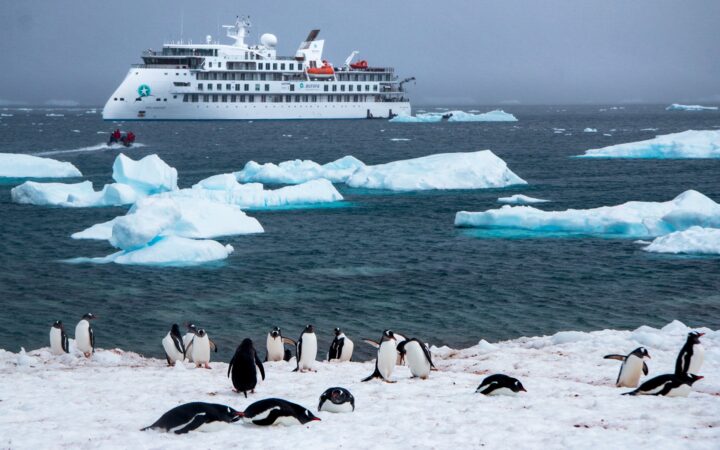
Expert Aboard: Greg Mortimer Ship Review
Read a detailed ship review about the Greg Mortimer and what it offer travelers. Our expert has been aboard and writes this from his firsthand experience.

Additional Travel Options Before or After Your Cruise
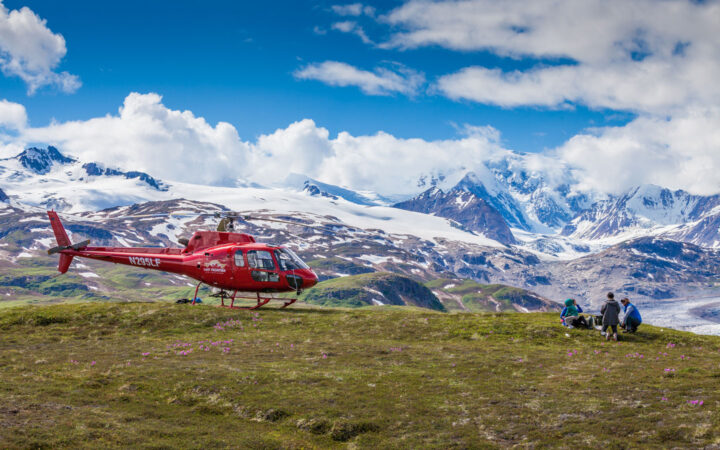
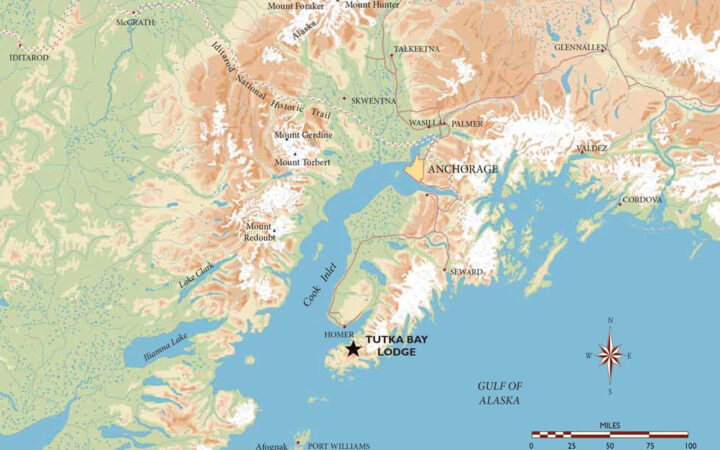
Within the Wild
Remote lodge-based journey with flexible activities & luxurious amenities
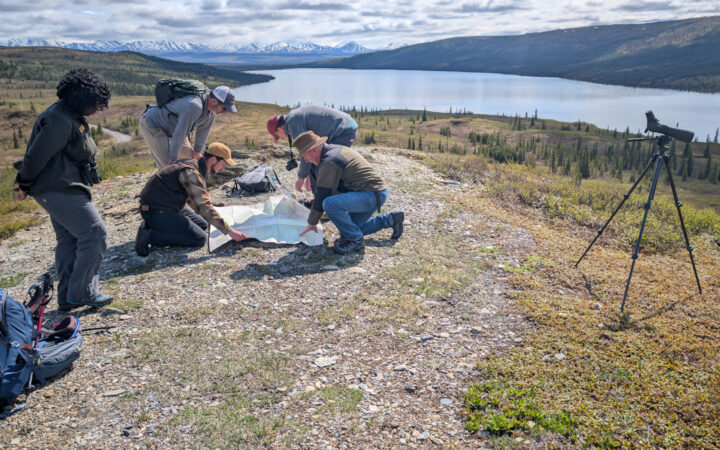
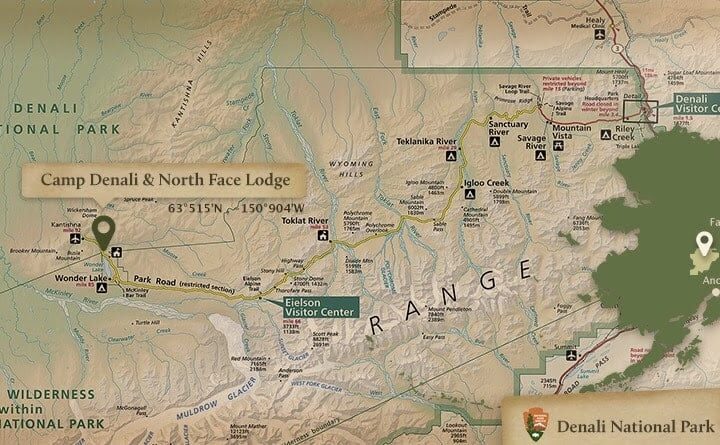
Camp Denali Adventure
Flexible, off-grid lodge stay deep inside Denali National Park
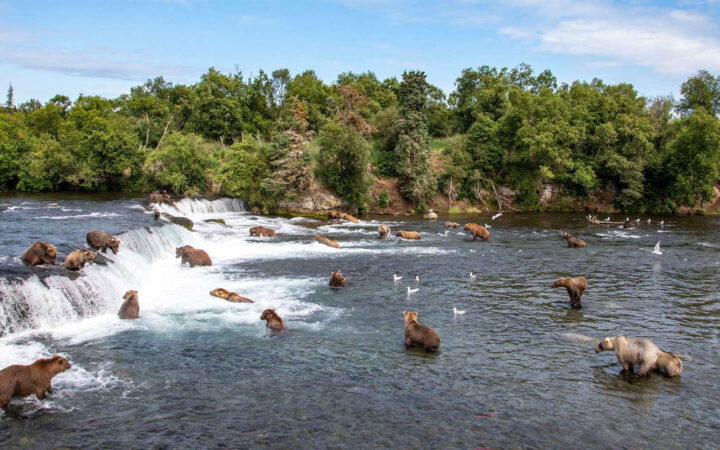
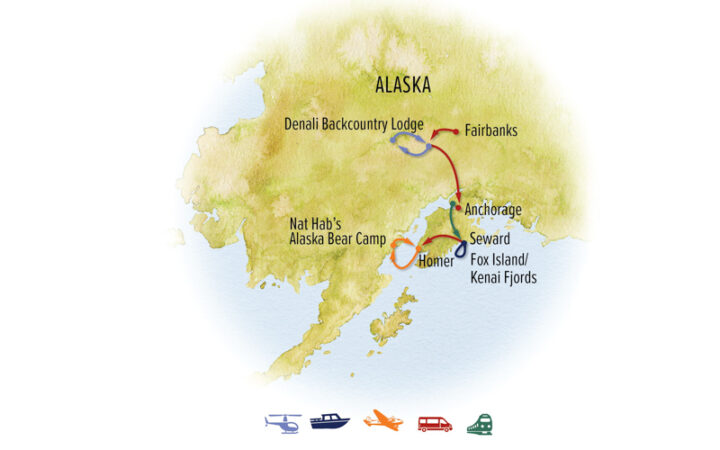
Ultimate Alaska Wildlife Safari
Visit three Alaska national parks by sea, air & rail
Trips You Might Also Like
View All Northwest Passage Cruises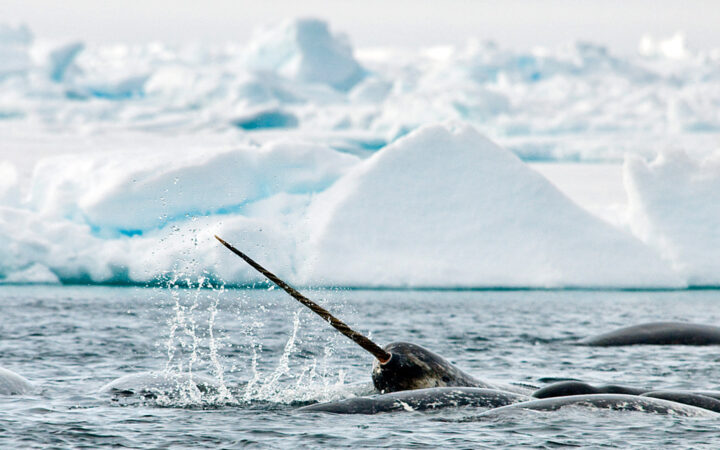
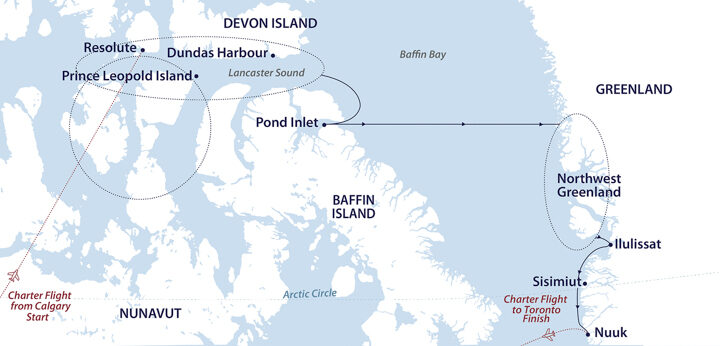 Save up to 30%
Northwest Passage Expedition
Eastern Northwest Passage cruise with included charter flights & hotels
 TEST Save 5% on groups
Northwest Passage: Greenland to Alaska
Full Northwest Passage crossing with included kayaking & Nat Geo guides
Northwest Passage: The Legendary Arctic Sea Route
Eastern Northwest Passage journey with unique activities


Our experts will save you hours.
A single conversation with us is worth hours of internet scrolling. Find your next best trip with ease, then book with the confidence of our 20+ year experience.