The National Geographic Explorer is a state-of-the-art expedition ship. She is fully stabilized, enabling her to navigate polar passages while providing comfort.
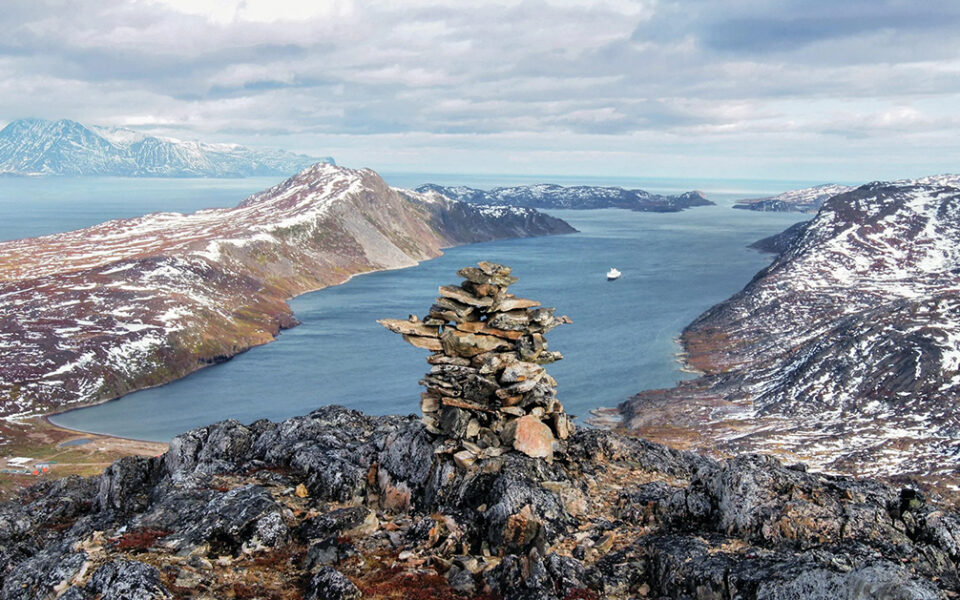
National Geographic Arctic Odyssey: Iceland, Greenland & Canada
Sail aboard 148-guest Nat Geo Explorer through Iceland and Greenland, discover ancient Viking ruins, encounter polar bears, and whales, and witness the solar eclipse in breathtaking beauty of the Arctic.
Aug
FROM
$32,586
USD
PER PERSON
/
Sail in the wake of early Viking explorers on a compelling journey that mixes Arctic wildlife and landscapes with a riveting history that comes alive in well-preserved ruins and local communities continuing to thrive on the edge of the Arctic. Start your adventure in Iceland’s remote Westfjords before charting a course for southern Greenland, where you’ll glide into dramatic fjords flanked by towering, jagged mountains; and visit colorful Qaqortoq, the unofficial capital of the region. In Canada, trace wild coastlines, keeping an eye out for polar bears, whales, and migrating birdlife. In 2026, witness the awe-inspiring spectacle of a total solar eclipse on August 12.
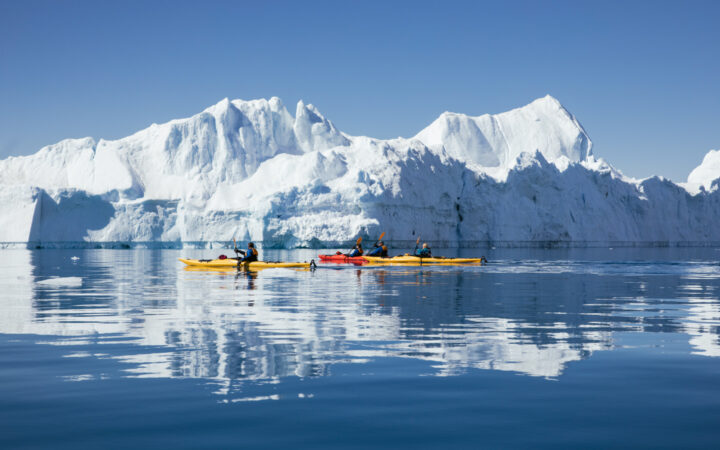
Travel with a diverse team of experts aboard 148-guest National Geographic Explorer, a definitive expedition ship. Venture into channels and coves framed by towering peaks. Watch for whales off the bow; Zodiac cruise around enormous icebergs; hike and kayak. Choose an active agenda or surrender to the pleasures of relaxing downtime and shipboard camaraderie. Plus, get top shots with the help of a National Geographic Photography Expert.
Read on for details about this trip, or learn more about AdventureSmith’s Arctic cruises and Arctic trips, including Greenland small ship cruises, Northern Europe cruises, and small ship cruises in Canada.
Arctic Odyssey: Iceland, Greenland, and Canada Itinerary
Reykjavik, IcelandSt. John's, Canada
Discover the Arctic’s history and wildlife on a captivating expedition aboard the National Geographic Explorer. Sail 16 days through Iceland and Greenland, exploring ancient ruins, encountering polar bears, whales, and migrating birds. Witness the awe-inspiring spectacle of a total solar eclipse on August 12th.
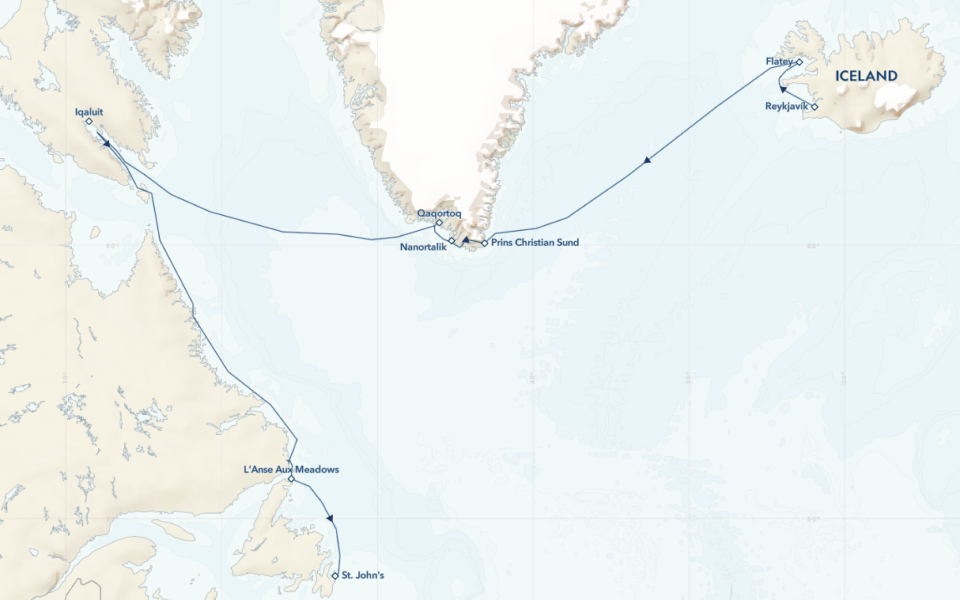
Arrive in Reykjavík, the world’s northernmost capital, which lies just below the Arctic Circle. Transfer from the airport to the city and spend the day exploring at your own pace. Check in with the hospitality desk this afternoon before embarking the ship.
Explore Iceland’s western frontier, visiting Flatey Island, a trading post for many centuries turned sleepy summer islet. Walk around the charming little hamlet that has survived, and hike across trails that trace the cliffs past a seasonal seabird population.
Sail away from the Westfjords of Iceland and across the Denmark Strait. Connecting the Arctic and Atlantic Oceans, the strait is home to the world’s largest waterfall, caused by powerful currents underneath the surface. Listen to talks by experts, relax with a book in the lounge or on the observation deck, and keep an eye out for wildlife as you sail across the continental shelf.
A total solar eclipse will occur in the region on August 12, 2026. The ship will navigate to the best position within the path of totality to witness this rare, natural wonder (conditions permitting).
Sail into Prins Christian Sund, which cuts into the southern tip of Greenland, passing between soaring pinnacles and glaciers, allowing your ship to sail through the sheltered waters of this dramatic landscape. Glimpse hanging glaciers through the fjords that stretch back to the Greenlandic Ice Sheet and keep an eye out for marine and bird life in these sheltered waters.
Home to some of the best-preserved ruins of the Viking era in Greenland, Qaqortoq and Tunulliarflik Fjord provides you with two days of insight, culture, and local interactions. Walk through the ruins of Bratthlid, Erik the Red’s farm, visiting replicas of the church and the family’s longhouse. Explore the same shores from which their son, Leif Eriksson, launched the first voyages to North America—500 years before Columbus.
Visit the unofficial capital of southern Greenland at Qaqortoq, with just over 3,200 residents. The colonial influence is visible throughout the town, with houses painted in primary colors and architecture dating back to the 1700’s. Stroll through the town square and visit the museum, where Greenlandic kayaks, hunting equipment, and local art and handicrafts are on display. Finally, walk through the walls of Hvalsey church, located in the fjords behind Qaqortoq, the best preserved Norse ruins in all of Greenland.
Spend time on the bow of the ship watching for whales, polar bears, and other wildlife; enjoy the ship’s amenities; edit your photos alongside professional photographers; and attend expert-led talks about the Arctic as you navigate the massive icebergs of Davis Strait on the way to Baffin Island.
Spend 3 days tracing the beautiful, wild coast of Labrador, exploring on foot and by kayak and Zodiac. Weaving your way through the Lower Savage islands, keeping a watchful eye for the polar bears that call these islands home, you will use Zodiacs as safe havens to experience their environment firsthand. Watch for peregrine falcons and other birds soaring over the rocky shorelines of the spectacularly narrow Mugford Tickle and take in the impressive sight of the 4,000-foot-high Kaumajet Mountains. Continue to scenic Battle Harbour to discover the reconstructed 19th-century buildings and legacy of this historic fishing village.
In the 1960s, the remains of a Viking village established in the 11th century were excavated at L’Anse aux Meadows, now a UNESCO World Heritage site. Walk among the Norse ruins and reconstructed sod huts and learn the saga of the Vikings in North America, who arrived here nearly 500 years before the explorations of Columbus.
Cliffs, fjords and beaches grace the eastern coast of Newfoundland. Hike, kayak or explore by Zodiac with your experts amid this stunning scenery, and keep an eye out for migrating birds and whales.
Today, disembark in St. John’s and transfer to the airport for your flight home.
Included
Expedition parka to keep; accommodations; meals as indicated; beer, wine & full bar; excursions; services of expedition leader, naturalist staff and expert guides; use of kayaks; entrance fees; all port charges and service taxes; basic WiFi (enhanced and premium packages available for purchase). Gratuities for all departures of National Geographic Explorer, Orion, Endurance, Resolution, Sea Cloud, Jahan and Lord of the Glens.
Exclusions
Immigration fees; air transportation; extensions; meals not indicated; reserve wines & premium spirits; gratuities for all departures of Delfin II, Endeavour II, Islander II, Venture, Quest, Sea Bird and Sea Lion; personal items such as emails, laundry, voyage DVD, etc.; and insurance of any kind.
Payment & Cancellation
In order to confirm this trip, a deposit of 15% of the total trip cost is required per person at time of booking. The balance of the trip price is due 120 days before the departure date. Guests who must cancel their trip for any reason must do so in writing. Standard cancellations are subject to the following per-person fees, based on number of days prior to departure:
120 or more days – 100% of deposit**
119 to 90 days – 50% of total trip cost
89 to 0 days – 100% of total trip cost
**Advance payments will be credited in the form of a Lindblad Expeditions Travel Certificate, valid for 12 months from the date of cancellation, and which may only be applied towards final payment on any future booking.
Terms & Conditions
This trip is subject to AdventureSmith Explorations Terms and Conditions. Please read this information carefully and call us if you have any questions. A Traveler Information Form, which includes a release of liability, must be completed and signed by all travelers. Your Adventure Specialist will send you a unique link to complete this form along with a packing list and extensive pre-departure and travel insurance information upon booking confirmation.
Arrival & Departure
The Arctic Odyssey: Iceland, Greenland & Canada cruise begins in Reykjavik, Iceland (KEF) and ends in St. John’s, Newfoundland (YYT). Disembarkation is after breakfast on Day 16 of the outlined itinerary; afternoon departure times may vary, depending on group flights to New York, New York via Toronto, Canada. If you would like assistance with international flights, please visit our Booking Flights resource page.
Activities
Whether you are looking for light activity options or more challenging outdoor pursuits, the ship’s crew can tailor most excursions to suit your skill level. Adventure activities may include hiking, kayaking, Zodiac excursions, photography, morning yoga and stretching, glacier viewing and wildlife observation.
Room Configuration
In addition to listed Solo cabin rates, select double-occupancy cabins may be available for single occupancy with a single supplement fee. If you would like to share accommodations with another guest of the same gender, we will be happy to try to accommodate you in select cabin categories. This program allows you to pay the per person double-occupancy rate whether or not a roommate is found. Contact AdventureSmith for further details and availability.
Families & Children
Skilled staff members trained with National Geographic Education organize activities that inspire curiosity in young people of all ages. Programming for kids may include activities like photo workshops, journaling, scavenger hunts, Zodiac-driving lessons, hands-on nature and science programming and kid-friendly menu options. See the Deals section of this trip for any applicable child discounts.
Travel Insurance
Protect your travel investment with insurance. Our partners at Travelex Insurance offer a variety of plans and policies to fit every trip and budget. For best value and coverage for pre-existing medical conditions, consider purchasing a policy at time of booking. Learn more about travel insurance or get a free quote.
Itinerary Notes
Read this itinerary as a guide only; the exact route and program varies according to ice, weather conditions, wildlife encountered and the captain’s discretion. Flexibility is the key to the success of any Arctic expedition.
Loading rates & dates…
No upcoming departures available at this time.
Sort
No departures match your filters.
USD
Per Person
Per Person
The National Geographic Explorer is a polar expedition vessel that holds 148 guests in 81 outside cabins. Her design and equipment is the result of almost 200 years of collective expedition experience. She is equipped with an ice-strengthened hull and advanced navigation equipment for polar expeditions and is perfectly maneuverable for polar passages while providing exceptional comfort. She carries kayaks and a fleet of Zodiac landing crafts. And an undersea specialist operates a remotely operated vehicle (ROV) and sophisticated video equipment, extending access to the underwater world.
National Geographic Explorer Review
AdventureSmith Explorations’ National Geographic Explorer review includes a detailed description of the small ship including deck plans and a photo gallery. Our experts have sailed aboard the National Geographic Explorer firsthand in Antarctica. Please read our National Geographic Explorer review below then contact our small cruise ship experts to compare the National Geographic Explorer with other Antarctica ships and polar expedition ships and yachts.
The National Geographic Explorer is one of the finest expedition ships in the world operating Antarctica cruises, Antarctica air cruise itineraries, Greenland cruises, Patagonia cruises, Arctic cruises, Iceland cruises, small ship cruises in Northern Europe and Canada small ship cruises. She is equipped for true expeditions to the farthest reaches of our planet in safety and comfort. At 148 guests and 356 feet, she is larger than many other expeditions ships but her size adds stability and endurance for longer voyages. She is still small enough to access remote locations favored by small ship expeditions.
Choose the National Geographic Explorer if you are an active and inquisitive traveler seeking one of the finest ships combined with the best onboard experts from National Geographic. The expert guides and equipment on board this next-generation ship provide the finest intellectual and educational experience of any expedition cruise. If you are seeking an upscale expedition ship, with top guides synonymous with Nat Geo cruises, the National Geographic Explorer is the right expedition ship for you.
Common Areas & Amenities Aboard Nat Geo Explorer
Guests aboard the Explorer enjoy a Bistro Bar; forward-located Chart Room; restaurant; Global Gallery featuring practical items, regional handicrafts and art; library; lounge with full-service bar and state-of-the-art facilities for films, slideshows and presentations; mud room with lockers for expedition gear; and an observation lounge. An "Open Bridge" provides guests an opportunity to meet Explorer's officers and captain and learn about navigation.
A full-time doctor, Internet cafe and laundry are also available. The vessel is staffed by two Wellness Specialists and features a glass-enclosed Fitness Center, outdoor stretching area, two LEXSpa treatment rooms and Swedish sauna, perfect for quick warm-ups after polar plunges or as a relaxing way to end the day. The fitness center with its expansive floor-to-ceiling windows and 180-degree vista offers a “million-dollar view” along with exercise bikes, elliptical machines and treadmills, free weights, yoga mats and exercise balls. From early-morning yoga or stretching on deck or in the lounge to massages and face, hand or body treatments inspired by the location, the onboard wellness specialists help guests achieve a more relaxed and revitalized state of being, great for days spent at sea.
Nat Geo Explorer also offers internet access (one device at a time) via three tiers: time-limited complimentary "basic" internet, for app messaging, email and simple social media; time-limited "enhanced" internet, adding general web browsing and video conferencing capabilities; and "premium" internet, for unlimited access to all features under the "enhanced" plan. Please note: WiFi is satellite based and may be compromised by inclement weather or remote locations.
Activities Aboard National Geographic Explorer
National Geographic Explorer carries a full fleet of 15 Zodiac landing crafts, allowing guides to get the entire expedition community off ship and engaged in activities quickly, comfortably and safely. Widely regarded as the most robust watercraft available, these Zodiacs can push through pack ice and run up on sandy shores. Also on board are 36 two-person AIRE inflatable kayaks, a fleet large enough to ensure everyone who wants to can paddle at every opportunity. Specifically chosen because of their inherent stability and suitability for polar waters, AIREs are virtually untippable. Consequently, prior kayaking experience is not necessary; many guests aboard National Geographic Explorer have had their first kayaking experience in extraordinary locations. Kayakers are usually free to explore where they want within boundaries set by the undersea specialist and officer of the watch.
Unique in-ship Zodiac boarding stations, designed by VP-Marine Operations Captain Leif Skog, allow guests to step into Zodiacs and kayaks safely—and dry—from a secure platform inside the ship rather than a ladder dangling outside. With two possible embarkation gates, the Explorer unloads her guests into Zodiacs more quickly, meaning you’ll have more time ashore and less time waiting. Adjacent these boarding stations is the mudroom and lockers for guests, where expedition gear can be stored separate from cabins. On warm-weather itineraries where there will be snorkeling, a mask, snorkel, fins and wetsuit are provided for the duration of the expedition. On select cold-weather itineraries, cross-country ski gear may be available.
Additional tools for exploration aboard National Geographic Explorer include:
Underwater Camera
An undersea specialist will dive almost every day of Explorer’s expeditions, even in Antarctica or the Arctic, with almost 200 pounds of gear, to shoot high-definition, Cousteau-like footage of the deep. Colorful nudibranchs, plant-like crinoids and mysterious fish with antifreeze blood that thrive in the frigid sea will give you an entirely new appreciation of the marine environment.
Remotely Operated Vehicle
Capable of reaching 1,000 feet, far beyond the range of any scuba diver, the ROV allows guests to literally view parts of the undersea that are as unexplored as the moon. By sharing videos of potentially new species with scientists, such as a large worm an onboard specialist captured in the Weddell Sea, each expedition actively contributes to science and may fundamentally change how the ocean is viewed.
Video Microscope
Naturalists will use the video microscope to help explain all elements of the environment, including tiny organisms that are the building block of the marine ecosystem. Spellbinding images of a krill’s body, at 80x magnification, fills the plasma screens in the lounge with vivid detail, and fills every onlooker with a sense of wonder at the importance of an otherwise unobservable creature.
Crow’s Nest Camera
Perched high atop the vessel on the ship’s mast, this camera provides a continual view on the outside world that can be seen on in-room cabin TVs. From zooming in on a distant polar bear to simply watching the bow crush through ice flows, each guest gets a unique perspective of their surroundings. The extra height from the camera also aids the captain by allowing him to peer at ice conditions farther ahead.
Hydrophones
These underwater microphones are deployed to listen to the vocalizations of marine mammals. Real-time transmissions of their eerie, haunting sounds can be broadcast through the ship or recorded for later playback.
Dining Aboard National Geographic Explorer
Meals are served in the ship's elegant dining room and the adjacent, more intimate Bistro Bar. Seating is open, allowing you to choose where to dine, and table sizes range from 2 to 12. The style is relaxed and casual—there’s never a need to dress up, and there will be opportunities to chat with the onboard naturalists and guest speakers over a meal. Each evening, a ship’s officer, National Geographic staff or a naturalist hosts small tables in the chart room.
All food prepared aboard National Geographic Explorer is sourced locally whenever possible from sustainable providers, with special attention to all seafood being sustainably caught or raised. Breakfast is usually served buffet-style in the dining room and consists of a selection of fruit, eggs to order, cereal, yogurts, cheese and cold meats, plus specially prepared daily dishes, fresh coffee and tea. An early-riser continental breakfast is served in the bistro as well, and many guests choose to take their coffee and morning pastries to the bridge or out on deck. Lunch is also served buffet-style in the dining room and Bistro Bar, with salads and both hot and cold buffet choices available. Most days a light-lunch option is held in the observation lounge at the very top of the ship. When weather conditions permit, the light-lunch is held outdoors on the aft sundeck, offering a stunning backdrop. Depending on the day’s activities, an afternoon tea with cookies, or occasionally, cakes and pastries, is served buffet-style in the Bistro Bar. Dinners are served in the dining room and bistro and feature plated service.
Cabins & Deck Plan Aboard National Geographic Explorer
Soothingly decorated in quiet earth tones, National Geographic Explorer’s 81 spacious cabins each offer a large desk, ample drawer space, signature feather duvets, crisp cotton sheets and generously sized bathrooms with roomy glass-walled shower stalls, hair dryers, bathrobes and botanically-inspired shampoo, shower gel and lotion, as well as an Expedition Essential Kit. Most cabins offer a comfortable armchair for reading, as well as individual reading lamps above the bed.
Cabins also feature individual climate control for heating and air-conditioning; National Geographic Atlas; plenty of drawers, hooks and under-bed storage space for luggage; public address system; and a flat-panel TV with several channels for movies, National Geographic documentaries, lounge lectures and presentations, views from the Crow’s Nest camera and displays of the electronic chart system with the ship’s current position. Ethernet jacks are available for in-cabin Internet access and there are both 110-volt and 220-volt outlets. Cabin doors lock, but it’s recommended to leave jewelry and other valuables at home. The Explorer is not equipped with safety deposit boxes.
Learn About the Small Ship on Your Itinerary
Additional Travel Options Before or After Your Cruise
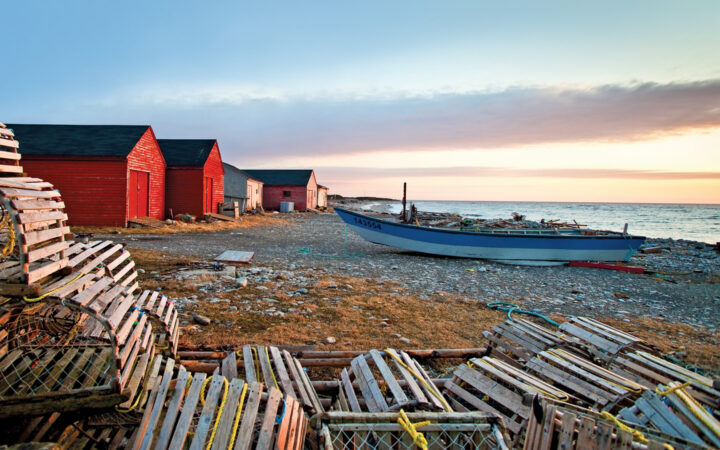
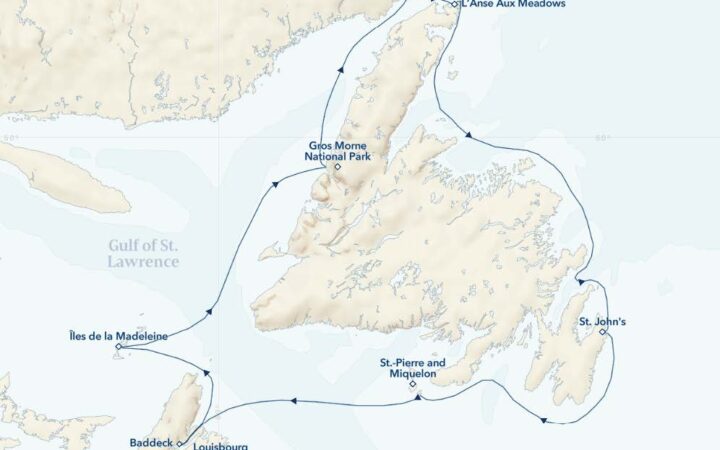
The Canadian Maritimes & Newfoundland
Atlantic Canada’s fishing villages, rugged coastlines & maritime heritage cruise
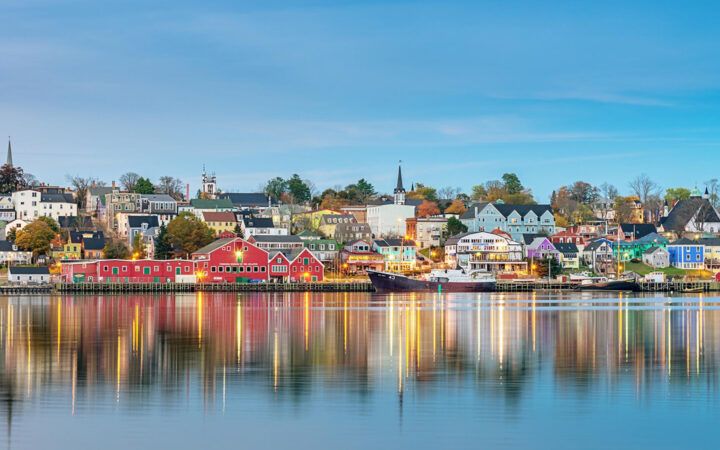
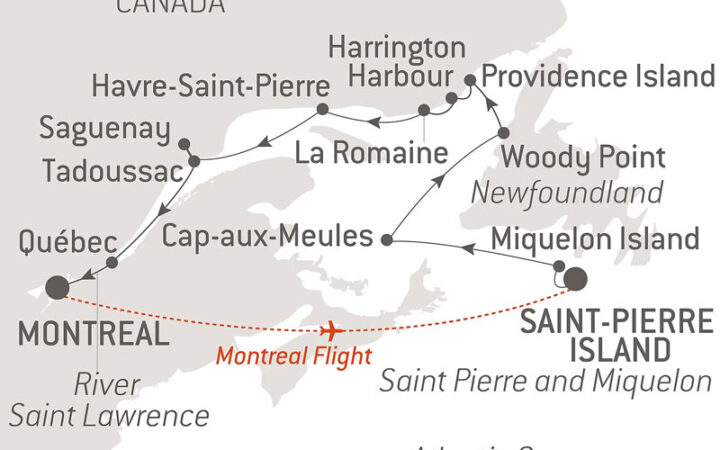
St. Lawrence River Cruise
Luxury cruise exploring French Canadian culture & wildlife-rich waterways
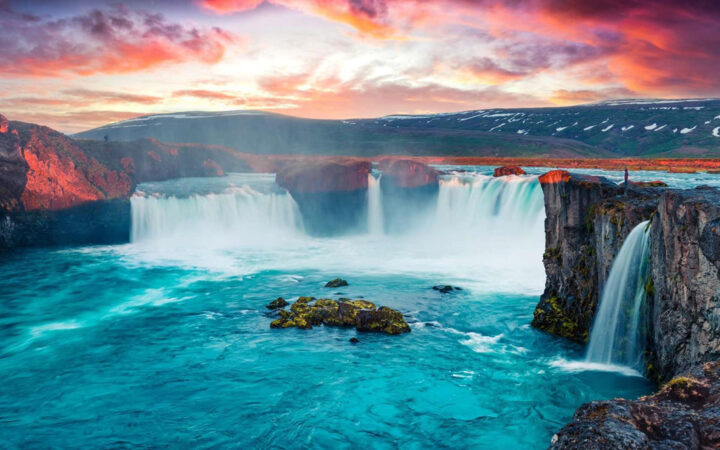
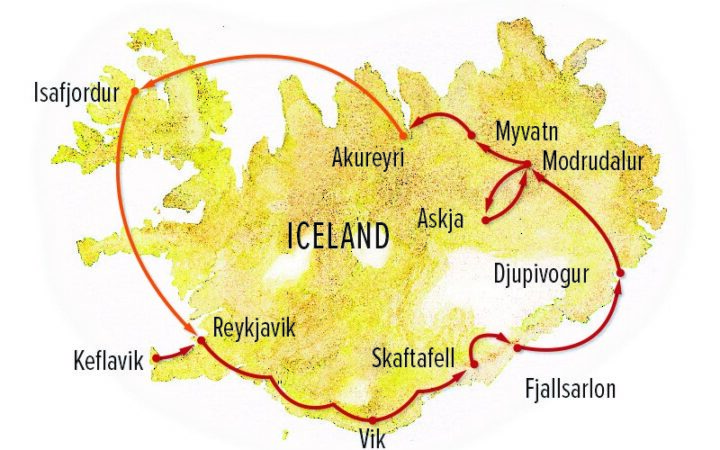
Iceland Adventure: Circling the Land of Fire & Ice
Active lodge-based circumnavigation with up to 11 travelers
Trips You Might Also Like
View All Arctic Cruises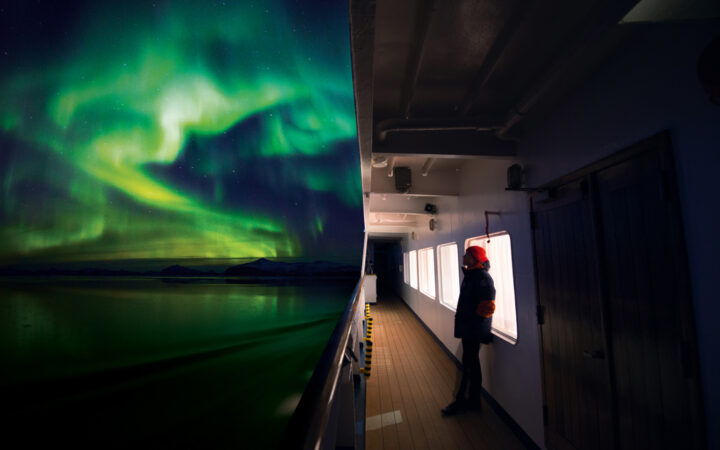
 Family savings
+1
Family savings
+1
Arctic Sights & Northern Lights
Greenland northern lights cruise via a small-scale ship
 Family savings
+1
Family savings
+1
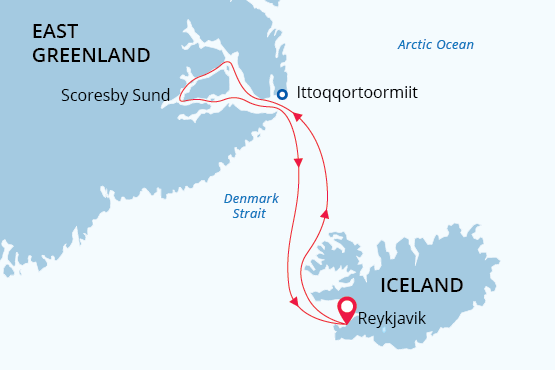
Arctic Odyssey
Three Arctic islands via small-scale ship, plus included hotel



Our experts will save you hours.
A single conversation with us is worth hours of internet scrolling. Find your next best trip with ease, then book with the confidence of our 20+ year experience.