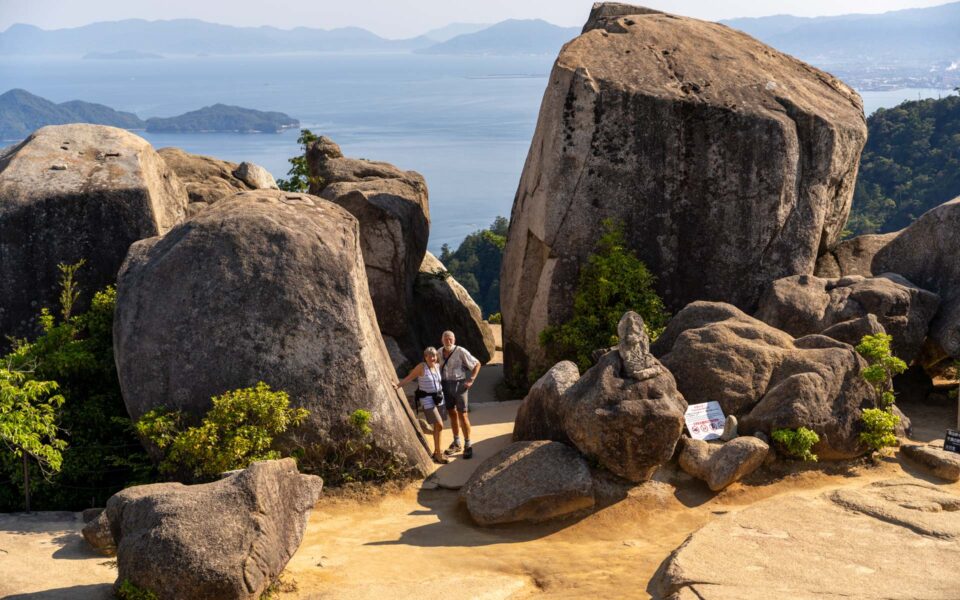
Japan’s National Parks, Art & Culture Cruise
On this comprehensive Japan circumnavigation cruise, visit Honshu, Hokkaido and Kyushu, plus South Korea's Ulsan. From iconic cities to remote coastlines and islands, experience Japan’s ancient customs, ultramodern living, incredible wilderness, wildlife and renowned arts.
On this comprehensive Japan circumnavigation cruise, explore art centers and museums, stunning national parks & culture-rich UNESCO sites. Sail around the main island of Honshu, plus add the northern island of Hokkaido and southern island of Kyushu, alongside South Korea’s city of Ulsan. From iconic cities to remote coastlines and islands, experience Japan’s seamless blend of ancient customs with ultramodern living, plus incredible wilderness, wildlife and renowned arts, all in one itinerary.
Featured on television’s Luxury Escapes: The World’s Best Holidays, this voyage offers a plethora of highlights, including Kanazawa’s thriving center of the arts. The center is known for its lacquerware, outstanding collectable pottery of the Kutani style, gold-leaf workmanship, delicate hand painting of silk for kimonos and classical Noh theatre dramas performed since the 14th Century. Another highlight is Naoshima Island–Japan’s Art Island. Discover Kyoto’s famed 1,001 Senju Kannon statues, historic Pontocho Alley, Nishiki Market and Fushimi’s sake heritage. Visit two of Japan’s best contemporary art museums–the recently-opened Hachinohe Art Museum and the Towada Art Center. Celebrate Japan’s internationally-renowned magna culture at Ishinomaki. Explore the living museum Ise-Shima National Park and Japan’s most sacred shrine complex Ise Jingū.
Visit the iconic Japanese island-dotted seascapes of Matsushima and Ago Bays. Discover the unique plants, wildlife and wilderness hiking trails on UNESCO-registered Global Geopark Izu Oshima Island. Explore Japan’s national parks including Bandai-Asahi National Park and its impressive lakes and hot springs, the volcanic wonderland of Shikotsu-Toya National Park, and Towada Hachimantai National Park featuring Lake Towada and Mount Akita-Komagatake.
Cruise aboard 140-guest Heritage Adventurer, a classic expedition ship with modern amenities and a pioneering spirit. With capacity for 184 but capped at 140 guests, this ship offers room to spread out and enjoy her myriad social spaces. Her strong ice class, navigational records and talented guides enable stability in open sea and exciting off-ship excursions in remote locales. While her wellness amenities (pool, Jacuzzi, sauna and gym) provide room for relaxation in between excursions.
Read on for details about this Japan circumnavigation cruise, or learn more about AdventureSmith’s small ship cruises in Japan.
Japan's National Parks, Art & Culture: A Circumnavigation of Honshu, Osaka to Osaka, Including South Korea Itinerary
This 16-day circumnavigation of Japan’s largest island, Honshu, offers a comprehensive blend of wilderness, arts, culture and rich history. Bonus visits include the northern island of Hokkaido, subtropical southern island of Kyushu and Ulsan, South Korea.
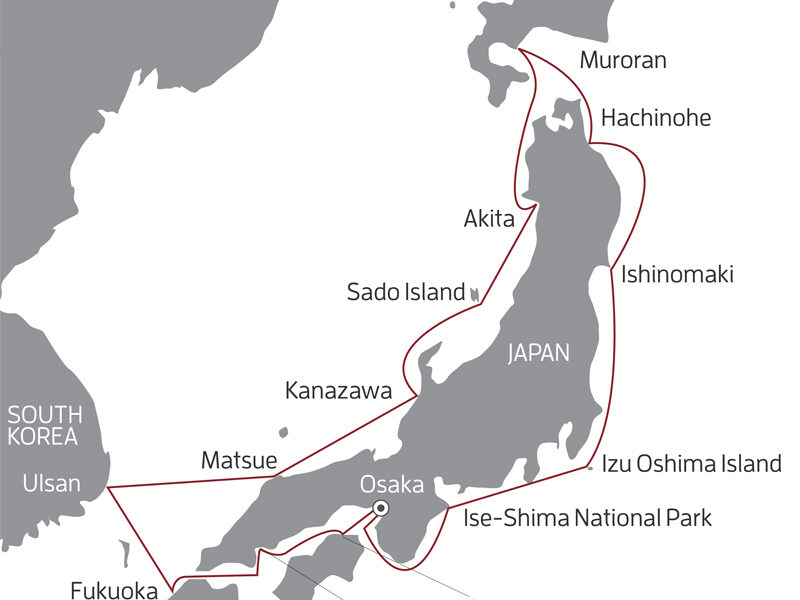
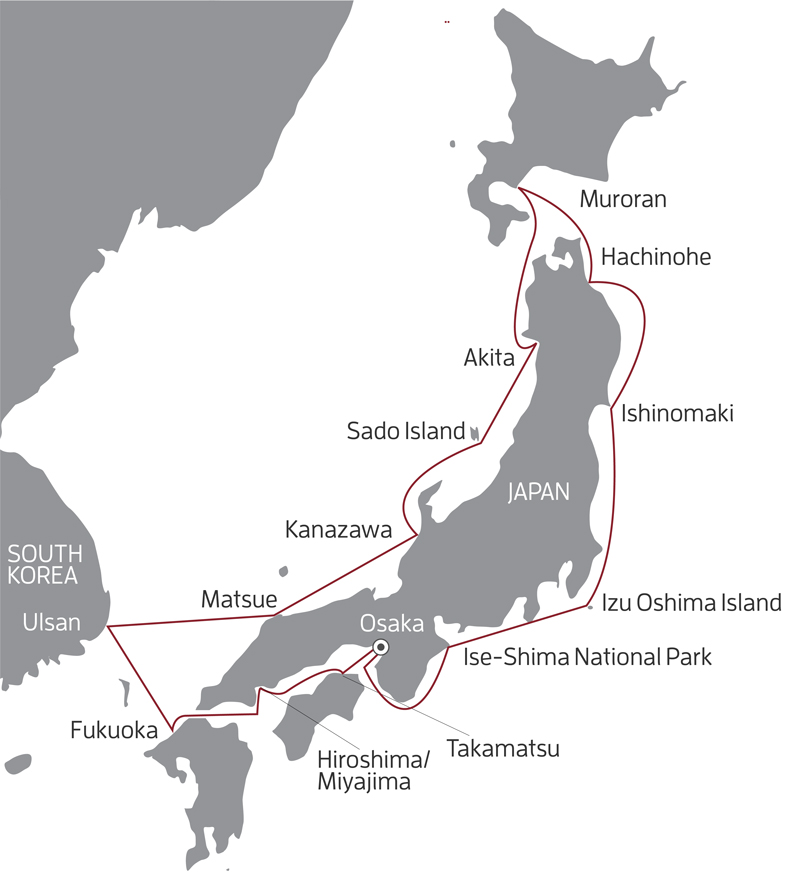
Arrive at Honshu’s largest port city Osaka where modern architecture and a vibrant dining scene are nestled alongside the 16th Century shogunate Osaka Castle, and make your way to your hotel where the group will spend the first night of the expedition. This evening meet your fellow voyagers and expedition guides over dinner at the hotel.
Enjoy breakfast at the hotel before exploring Osaka. Opportunities here include visiting Minoh Park and Osaka Castle. With an area of just 3.7 square miles (9.6 sq km) Minoh Park is one of Japan’s smallest National Parks and home to iconic 3.3-foot-high (33m) Minoh Waterfall and diverse wildlife including Japanese Giant Salamander and protected Mino Monkeys. Explore Osaka Castle, one of Japan’s most famous landmarks, take in the views from Osaka Castle Main Tower and relive dramatic stories of warlords and Osaka’s fascinating history.
Alternatively, enjoy an excursion to Kyoto, where you can explore the city’s spiritual heritage at the 12th-Century temple Sanjūsangen-dō and its 1,001 statues. Stroll through Kyoto’s historic and iconic lanes, where 16th-Century geiko and maiko culture is brought to life, before visiting Nishiki Market, known as Kyoto’s Kitchen, to discover the city’s renowned culinary delights. Board the ship as your captain and expedition team welcome you later this afternoon.
Expect a day like no other as you explore Ise-Shima National Park. Often likened to a living museum, the peninsula of Ise-Shima (or just ‘Shima’ as it is known to the locals) has much to discover, including endless forests and abundant nature, rich maritime history, incredible coastal scenery and Japan’s most sacred shrine complex Ise Jingū. Comprising some 125 different shrines hidden among a labyrinth of mossy walls and dating back to the third century, Ise Jingū is considered the spiritual home of Shinto cosmology. Explore grand shrine Kotai Jingū, made entirely of Japanese cypress where no metal nails or screws have been used in its construction and, in accordance with Shinto practice, is rebuilt every 20 years in order to preserve its purity. Currently in its 62nd iteration, it was last rebuilt in 2013. Shima has been an official source of seafood for Japan’s imperial family since the 5th Century and the iconic amulet-wearing ama divers, female seabed foragers have been responsibly harvesting these waters since Japan’s Jomon era. At Ago Bay gaze out over the fascinating seascape created by more than 60 islands dotting the water and observe Shima’s sacred Meoto Iwa, Wedded Rocks, connected by a shimenawa rope near the Futami-Okitama Shrine.
Izu Oshima is the largest of the Izu Islands, a chain of islands lying to the south of the Japanese mainland, which preserves its own unique natural and human history. Mount Mihara towers over the landscape at the island’s center, to the east a dramatic cliff drops into the ocean, while gently sloping plains extend towards the west. Almost entirely covered by forests, Oshima Island was certified as a Japan Geopark in September 2010 in recognition of its unique status. This morning we will explore and discover the unique plants and birds that call the island home as well as meet the local inhabitants to discover their way of life.
After a morning at sea with presentations from your onboard experts, arrive in the port city of Ishinomaki. The city is renowned for the Shiogama Seafood Wholesale Market and its colorful urban core showcasing its ‘manga’ culture–the art of Japanese comic books and illustrated novels–thanks to famed pioneer Shotaro Ishinomori and creator of the popular Kamen Rider series. Throughout the city you can observe artworks and statues celebrating the importance of the artist and the art on Japanese culture. South of the city is Matsushima Bay, studded with more than 200 pine-covered islands and considered one of Japan’s three most iconic views. Take the opportunity to explore this beautiful landscape from the shores or discover from the water.
With a Pacific shoreline of outstanding natural beauty, a clutch of fantastic cultural sights, thronging markets and delectable seafood, there is a lot to see and experience during a visit to Hachinohe and the Aomori Region. Today there will be the opportunity to explore the region’s fascinating connection with contemporary art through visits to two of Japan’s best contemporary art museums–the recently opened Hachinhoe Art Museum and the Towada Art Center. Reflecting a new approach to contemporary art, Hachinhoe Art Museum, also known as an ‘art farm’ offers a dynamic new interpretation of how and where art is created, housed in an innovative design intended to bring the community together to utilise the space.
At Towada Art Center, one of Japan’s foremost contemporary art institutions, the striking Ryue Nishizawa designed building features contemporary artists such as Leandro Erlich, Yayoi Kusama and Ron Mueck. Alternatively join a visit to the stunning Lake Towada, a 2,000-year-old flooded double caldera some 1,312 feet (400m) above sea level, and its surrounding forest in Towada Hachimantai National Park. Lake Towada is the largest caldera lake on Honshu, and is characterized by two large peninsulas which extend nearly a third of the way across the lake. On a clear day Mt Towada is reflected in the still waters of the lake, creating a picture-postcard scene. A short walk brings you to Oirase Stream with its beautiful and dynamic cluster of 30 waterfalls.
Adventures abound at Shikotsu-Toya National Park, named after its famous twin caldera lakes. Another picturesque natural hot spot, the park’s spectacular scenery including its impressive lakes, hot springs and volcanic wonderland, are all easily accessible and offer multiple hiking and walking options. Activities abound here. Ride the cable car to the top of Mount Usu to take in the grand scale views over Lake Toya. Visit the geothermal spectacle of steaming vents and sulphurous streams at Jigokudani aka ‘Hell Valley.’ Visit the Upopoy National Museum of the Ainu, which stands on the shores of Lake Poroto where you have the opportunity to see and experience the Ainu culture including cuisine, music and crafts. This afternoon, enjoy free time to explore Muroran at your leisure, visit the scenic cape and lighthouse or take in the city from above after a walk up Mount Sokuryo.
A key city in the Tohoku region since medieval times, Akita was once a castle town of the Satake clan, but today is a vibrant, prosperous city that seamlessly honors its past while still embracing its young energetic spirit. Noted for its burgeoning art community, there are several fine museums to explore including the Hirano Masakichi Art Museum housing a collection of work by Western and Japanese artists as well as the Akita City Folklore Museum. Venture inland to discover the Kakunodate Samurai District, a living museum that showcases the samurai way of life in a picturesque setting that remains largely unchanged since it was established in 1620. Beyond Kakunodate in the mountainous spine of Honshu is Mount Akita-Komagatake where there are excellent hiking opportunities in sub-alpine and alpine habitats at the southernmost extension of Towada-Hachimantai National Park.
Niigata (2026)
Today, visit the bustling port town of Niigata, famous for snow, rice, sake, hot springs and the six-arched, granite-sided stone Bandai Bridge, designated as an Important Cultural Property in 2004, and one of the most scenic spots in the city. Highlights here include Bandai-Asahi National Park, Japan’s second largest national park, combining stunning volcanic scenery and hot springs with lush forests, verdant highlands crisscrossed with walking trails and home to Asiatic black bears, squirrels, foxes and migratory birds. Elsewhere Takada Castle Site Park, with its 3-story castle from the Edo Period, offers panoramic views of the Takada Plain, while the 477 acres (193 hectares) of Fukushimagata Wetlands is home to endangered flora and fauna, including the rarely seen gigantic lotus Euryale Ferox, and listed on Japan’s 100 greatest natural environments.
Sado Island (2027)
Today, explore remote Sado Island off the coast of Niigata. The entire island is designated as one of Japan’s Geoparks and comprises the mountain ranges of Osado and Kosado, flanking the Kokunaka Plain. Once a destination of political exile, it now boasts its own rich cultural and religious life incorporating puppet theater, Okesa folk songs, Ondeko drumming and demon dances. Home to the Japanese Crested Ibis, extinct on the mainland, and the iconic Taraibune Tub Boats, which you will have the opportunity to experience, this island off the beaten path combines stunning natural scenery including Senkakuwan Bay and Ogi Peninsula, and wilderness and wildlife with a rich history including gold and silver mining, Samurai warrior culture and unique agri- and aquaculture practices. Sado Island is widely considered a perfect miniature version of Japan. Here, visit the Shukunegi Village National Important Preservation Area and learn more about traditional taiko drumming at the Sado Island Taiko Center.
Options today include exploring the historic mountain settlement and UNESCO World Heritage Site of Shirakawa-go, high in the remote mountains of the Shogawa River Valley in Hakusan National Park. Take in the sights on mountain walks and experience the unique cultural traditions including the region’s iconic Gassho-zukuri farmhouses, some of which are more than 250 years old, designed to withstand the heavy snow in winter and provide a large attic space for cultivating silkworms.
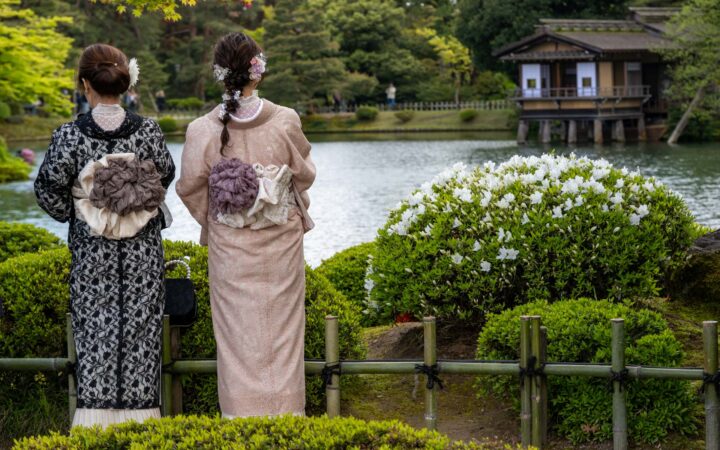
Alternatively, explore the rich art center of Kanazawa, discovering some of the unique styles of Japanese art. Kanazawa is rightly famous for its Kutani-style pottery, exquisite lacquerware, gold-leaf workmanship, hand painted silk, and classical Noh dance-drama performed since the 14th Century. Wander winding cobblestone streets, elegant restaurants and craft galleries, and visit the impressive Edo-period Kenrokuen Garden, one of the Three Great Gardens of Japan, and explore the Omicho Market boasting everything from flowers, to crafts and food.
From the port of Sakaiminato, visit Matsue, the ‘town of water,’ which nestles between a scenic lake and a large lagoon. Visit the cultural attractions of the town including the 17th century Matsue Castle before enjoying a boat ride along the local canals. After lunch on board, spend the afternoon at leisure or visit the Adachi Museum of Art which is set in a beautiful natural environment. The museum is renowned for its superb Japanese gardens and collection of contemporary Japanese paintings, comprising some 1,500 of the country’s most highly regarded paintings produced after the Meiji period.
Today, cross the Sea of Japan to Ulsan in South Korea and visit the UNESCO World Heritage Site of Gyeongju. The capital of the Silla Dynasty and dating back to the first millennium, Gyeongju is known as ’the museum without walls’ and is full of ancient Korean history and Buddhist culture. Enjoy strolling through hundreds of excavated monuments, temples, tombs and pagodas. Experience Korean delicacies and cultural performances, and visit the National Museum with its gold jewelery, metal weapons and distinctive pottery. Today provides a perfect taste of the best South Korea has to offer.
This morning, return to Japan and Shimonoseki Port, perched above the 2,132-foot-wide (650m) Kanmon Straits and tucked away at the western end of Japan’s main island Honshu. Surrounded by water on three sides, Shimonoseki is rightly famous for its seafood and, in addition to being considered the gateway to Kyushu, is also known as Japan’s Pufferfish/Fugu Capital–the potentially deadly local delicacy requiring takumi-level preparation by specially trained Fugu chefs.
Other highlights include the city’s iconic Kanmon Bridge spanning Honshu and Kyushu Islands, the world famous Karato Fish Market and the beautiful Akama Shinto Shrine built to honor drowned child Emperor Antoku. Excursions today include time to explore Kokura Castle and its rich history at the crossroads of Japanese history, and discover the beautiful Shiranoe Botanical Garden accompanied by its resident gardeners. There is also time to explore the world-famous Karato Fish Market adjacent to where the ship is docked, and visit Akama Shinto Shrine on the shores of the Kanon Strait.
Despite its history, including being the site of the world’s first atomic bomb attack on the 6 August 1945, Hiroshima is a vibrant and thriving cosmopolitan community. Visit the beautiful Peace Park and Museum, with its sombre cenotaph containing names of atomic bomb victims, and the permanently lit Flame of Peace. After visiting the Peace Park, travel to Miyajima Island, considered one of Japan’s most scenic spots and the location of the Torii Gate and the Daisho-in Buddhist temple. For those after a nature fix, ascend Mount Misen on Miyajima Island by cable car and enjoy a hike, admiring the views below of the Shinto Shrine and Torri Gate.
Shikoku Island’s Takamatsu has had a long history as a port town, earning itself the nickname Gateway to Shikoku, although more recently locals have been calling it Udon Kingdom. If you have an interest in plants, a visit to Ritsurin Park, considered one of Japan’s finest gardens, is sure to be a highlight. Next you will enjoy a visit to Kinashi, one of Japan’s main bonsai production centers, where you will learn about traditional methods of growing bonsai. For those interested in history and art, you may wish to travel to Naoshima Island for a full-day excursion. Shikoku Island is known for its art and this excursion to Naoshima will have you admiring its architecture and art museums, including Chichu Art Museum and Benesse House, featuring work by Japanese and international artists.
This morning sail back into Osaka, after breakfast there will be a complimentary coach to a central hotel or the Kansai International Airport.
Included
One night’s hotel accommodation in a twin share room on Day 1 (with breakfast on Day 2), landing fees, pre- and post-cruise transfers, all onboard ship accommodation with meals, all shore excursions and activities, house drinks (lunch & dinner), expert on board and naturalist guides, post-voyage photos.
Exclusions
All items of a personal nature such as laundry, telephone and WiFi charges; premium drinks; international and domestic flights; and travel insurance (or insurance of any kind).
Payment & Cancellation
In order to confirm this trip, a deposit of 25% is required per person at time of booking. The balance of the trip price is due 90 days before the departure date. Special holiday payment and cancellation terms may apply. Guests who must cancel their trip for any reason must do so in writing. Standard cancellations are subject to the following per-person penalties, based on number of days prior to departure:
Up to 180 days – full refund except for $750 admin fee
179 to 91 days – 100% of deposit
90 to 0 days – 100% of total trip cost
Terms & Conditions
This trip is subject to AdventureSmith Explorations Terms and Conditions. Please read this information carefully and call us if you have any questions. A Traveler Information Form, which includes a release of liability, must be completed and signed by all travelers. Your Adventure Specialist will send you a unique link to complete this form along with a packing list and extensive pre-departure and travel insurance information upon booking confirmation.
Arrival & Departure
The Japan’s National Parks, Art & Culture cruise embarks and disembarks in Osaka, Japan (KIX). Plan flights to arrive to Osaka anytime on Day 1 (a hotel overnight is included). Plan flights to depart Osaka no earlier than 3:00pm on the final day. If you would like assistance with international flights, please visit our Booking Flights resource page.
Activities
Whether you are looking for light activity options or more challenging outdoor pursuits, the ship’s crew can tailor most excursions to suit your skill level. Adventure activities may include hiking, inflatable boat/skiff excursions, land treks, wildlife observation (including spotting for birds) and city/village/museum visits.
Room Configuration
Select double-occupancy cabins may be available for single occupancy with a single supplement fee. Solo travelers willing to share can reserve a triple or twin-shared cabin, where you will be matched with a person of the same gender. If the other cabin berth goes unsold, you will be guaranteed the double rate. Single travelers wishing to book a double-occupancy cabin may do so at 1.8x (cabins) or 2x (suites) the per-person listed rate in select cabins based upon availability.
Families & Children
Kids 13 years and older are welcomed aboard all departure dates; exceptions for children 12 years and under may be allowed with special pre-approval.
Travel Insurance
You must have proof of adequate insurance including full medical evacuation cover and coverage for activities including charter flights. Our partners at Travelex Insurance offer a variety of plans and policies to fit every trip and budget. For best value and coverage for pre-existing medical conditions, consider purchasing a policy at time of booking. Learn more about travel insurance or get a free quote.
Itinerary Notes
Use the itinerary as a guide only. Itineraries may be altered due to weather, wildlife, national park regulation or at the captain’s discretion. The ability to be flexible makes this type of small ship cruising unique.
Loading rates & dates…
No upcoming departures available at this time.
No departures match your filters.
Designed for 184 guests, but only carrying 140, the Heritage Adventurer ship offers space to spread out, while also encouraging her small group of travelers to mingle. With various options for dining, viewing, learning and wellness, plus an ice class that remains top of the field, this well-rounded ship is a great option for exploration.
Heritage Adventurer Review
AdventureSmith Explorations’ Heritage Adventurer review includes a detailed description of the small ship including deck plans and a photo gallery. Please read our Heritage Adventurer ship review below then contact our small ship cruise experts to compare the Heritage Adventurer with other small cruise ships and yachts offering Japan small ship cruises and New Zealand small ship cruises.
Choose the Heritage Adventurer for a spacious expedition ship with added amenities and a pioneering spirit. She holds records for navigating the farthest northern Arctic and southern Antarctic regions, and for traversing both the Northwest and Northeast Passages. Pair off-ship adventure with onboard comfort via the ship's pool, Jacuzzi and sauna.
History & Design
With a polar-forward design and celebrated history, the Heritage Adventurer cruise ship is often referred to as the Grande Dame of Expedition Cruising. This purpose-built ship began her life in Finland's Rauma shipyard, as the MS Hanseatic. Her 1A Super ice class keeps up with modern-built ships, and her 8,600-nautical-mile range helps enable her intrepid history of exploration.
Onboard Facilities
A variety of sophisticated spaces invite guests to indulge, relax, rejuvenate and learn while aboard Heritage Adventurer; all conveniently accessed via stairs or elevators located both front and mid-ship.
For wildlife viewing, the Deck 7 Observation Lounge features protected, panoramic views, with outdoor 360-degree views available from the Observation Deck above. The Bridge and adjoining chart room (Deck 6) provides opportunities to observe the captain and officers while underway, plus a great space to watch for wildlife.
For education and wellness, a few options exist. The Deck 7 library offers reference materials, while the Deck 2 presentation theater provides a lecture hall for daily talks. Heritage Adventurer's upper zone features health and wellbeing amenities, including a protected Jacuzzi, beauty area, gym, showers and heated outdoor pool with plenty of lounge chairs protected from crosswinds.
Finally, the ship includes a hospital space and onboard doctor on Deck 2, for first response treatment. The shop on Deck 4 is stocked with outerwear, travel essentials and gifts to bring home to loved ones.
For made-to-order drinks, guests can choose from bars on Deck 5 and 7. And when hunger strikes, international fare and everyday favorites are served in the Deck 6 Bistro dining room and lounge, as well as the Deck 4 main dining room. A public restroom is available outside the dining room.
Off-Ship Activities
A fleet of 14 Zodiacs are the ticket to off-ship exploration, letting all guests disembark together. The two-sided mud room provides space for guests to suit up for, or come in from, outdoor activities. Guests can anticipate daily opportunities to experience the wilds in which the Heritage Adventurer ship sails, with options like Zodiac cruises and treks on land.
Crew, Guides & Expedition Leaders
The convivial crew aboard Heritage Adventurer cruise ship is ready to make travelers feel right at home. Crew members aim for personalized, attentive service with a smile. The team of expedition guides aims to answer questions, lead out in the field, and provide regular talks using their expertise as naturalists, botanists and historians.
Cabins & Heritage Adventurer Deck Plan
The Heritage Adventurer ship offers a plethora of cabin options, with 8 categories across 70 cabins and 12 suites, including 2 accessible cabins. Common to all cabin amenities are a comfortable lounge area with sofa, a writing desk, a flatscreen TV, ample storage and a private ensuite bathroom with shower (or marble tub in Heritage Suites).
Current Deals on This Trip
Loading deal details…
Unable to load deal details. View full page →
Learn About the Small Ship on Your Itinerary
The Heritage Adventurer expedition ship offers space to spread out but also mingle. With various options for dining, viewing, learning and wellness, accessibility-minded design, plus a top ice class, this well-rounded ship is a great option for exploration.
Trips You Might Also Like
View All Japan Cruises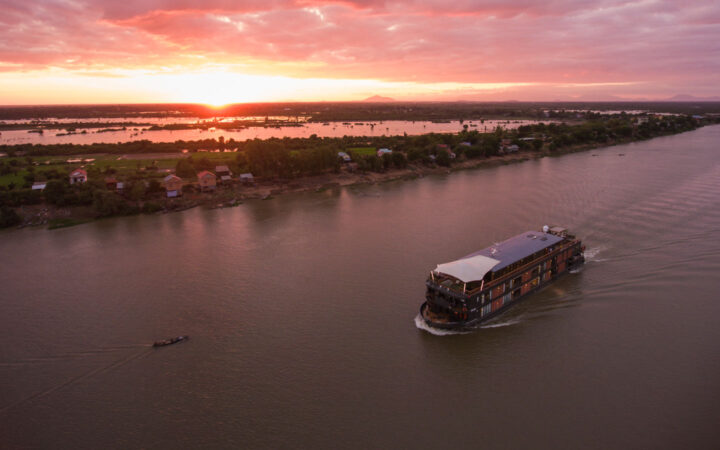
 No single supplement
+1
No single supplement
+1
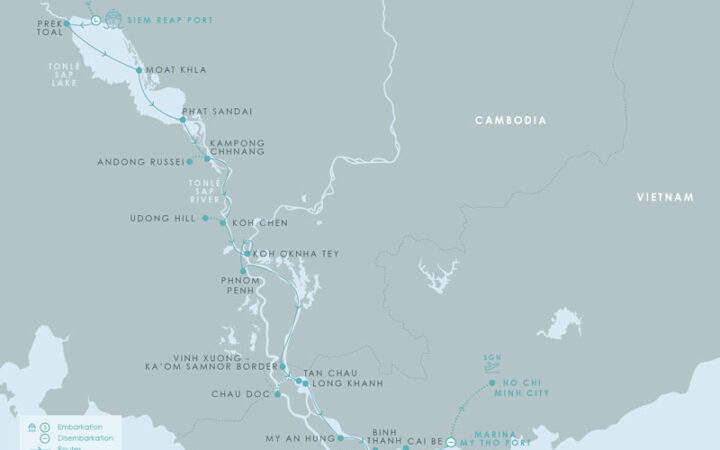
Aqua Mekong River Cruise
Luxury Vietnam & Cambodia with village life & Angkor access
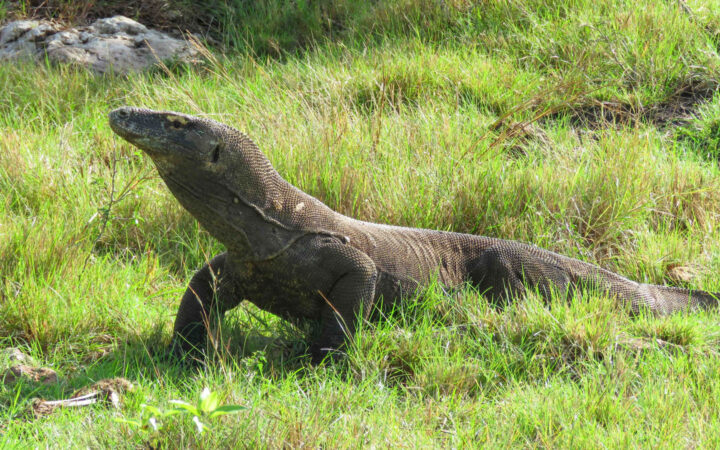
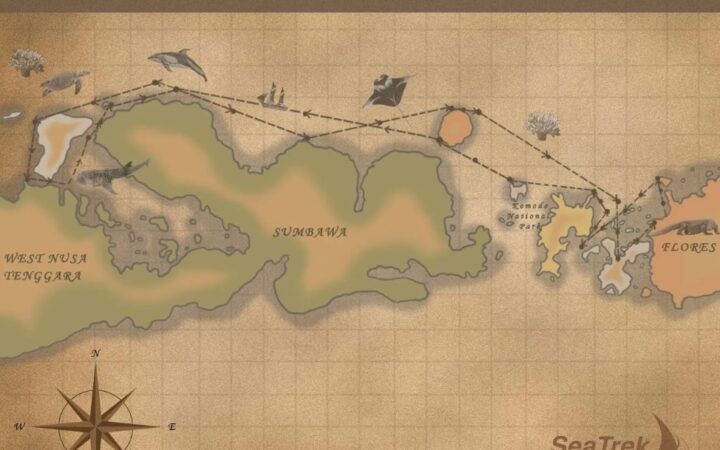
Sailing Indonesia: Whale Sharks, Corals & Komodo Dragons
Locally-managed cruise featuring whale sharks, Komodo dragons & coral reefs
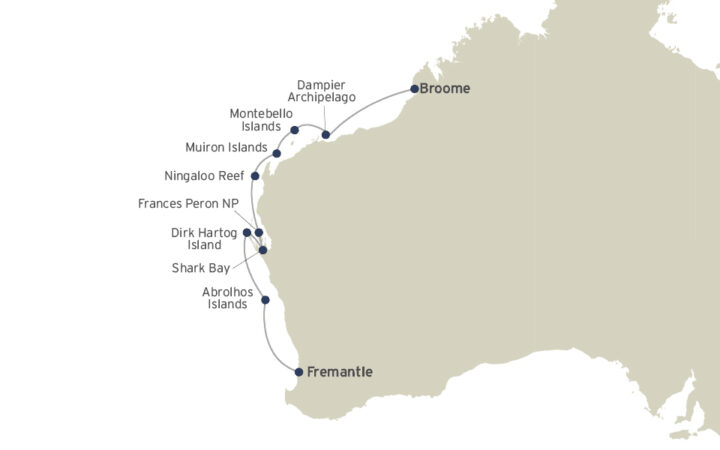 Complimentary hotel
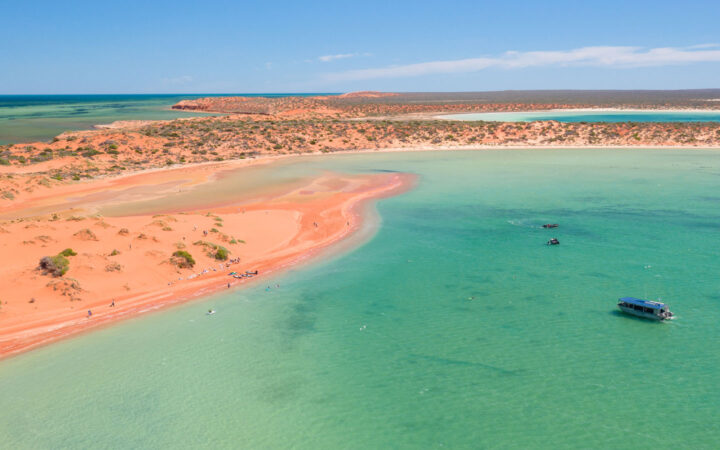
Western Australia Cruises
Expedition cruise with reefs, marine life & remote coastal landscapes
Additional Travel Options Before Or After Your Cruise
View All Japan Cruises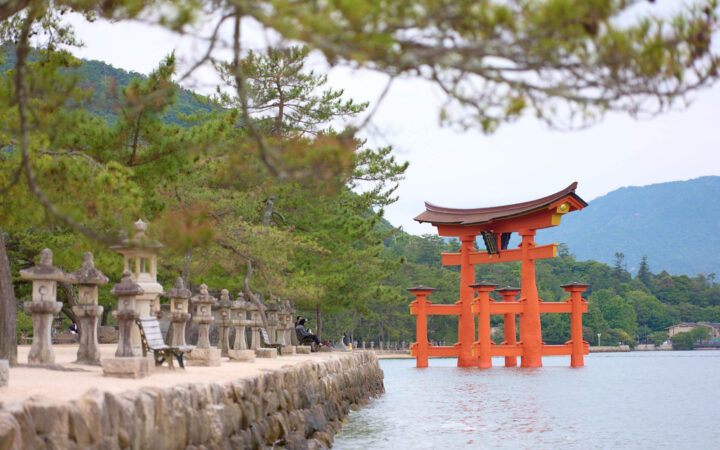
 Save up to 20%
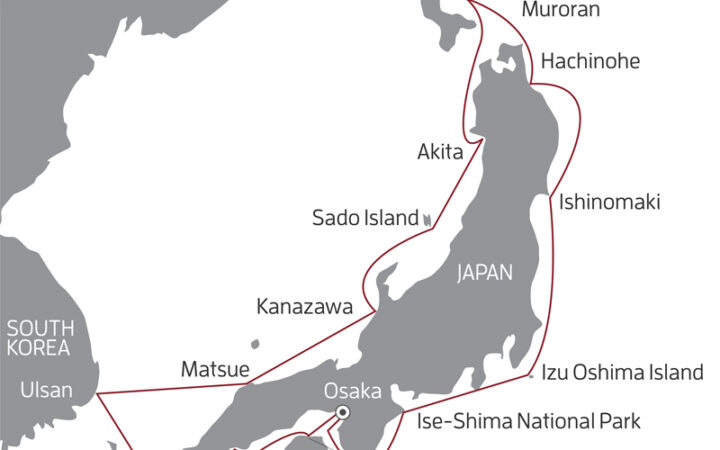
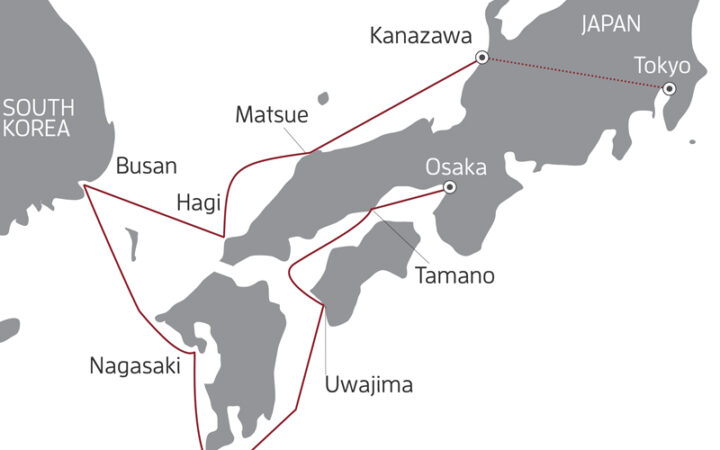
Japan’s National Parks, Art & Culture Cruise
Immersive circumnavigation voyage blending national parks, art & cultural heritage
 Save up to 20%
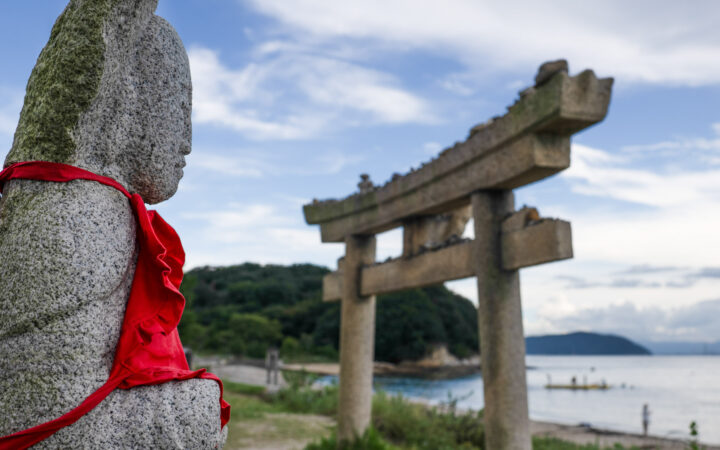
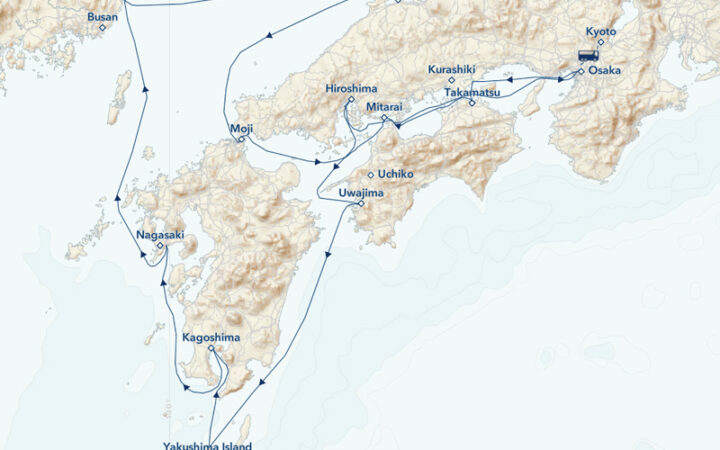
Discover the Islands of Japan
Budget-friendly island-hopping cruise for remote coasts, culture & scenery
 Save 5% on groups
Coastal Japan: Imperial Dynasties & Modern Culture
Culture-focused Japan with Nat Geo guides & hotel overnights in Kyoto



Our experts will save you hours.
A single conversation with us is worth hours of internet scrolling. Find your next best trip with ease, then book with the confidence of our 20+ year experience.